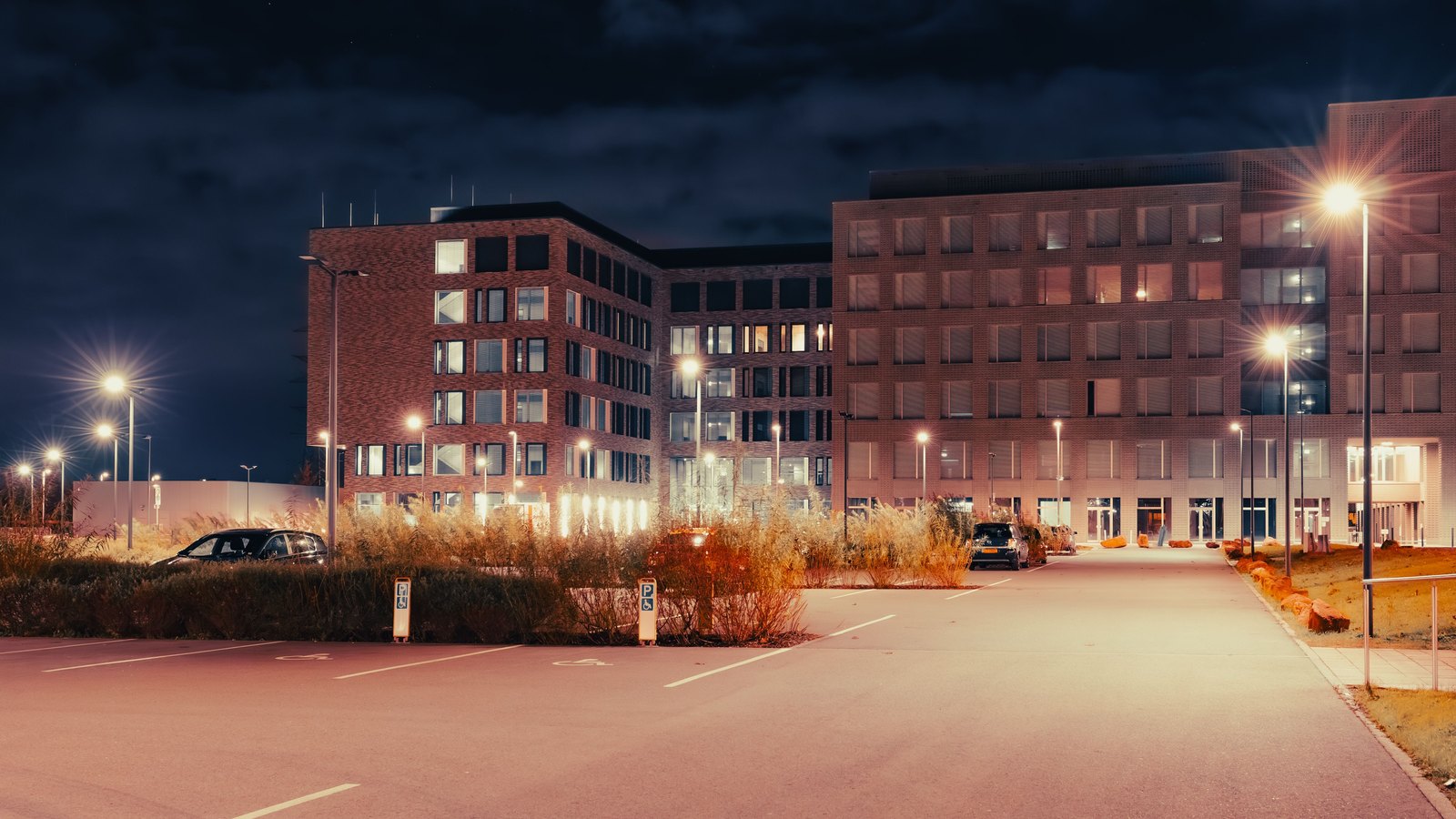
On 7 July the annual summer festival of the Immobilien- und Standortgemeinschaft (ISG) Bahnhofsviertel Münster e.V. took place – this year with a clear thematic focus: security in the station district.
Anyone who wants to protect an office building, a warehouse, a construction site or a vacant property usually gets three answers: a guard on site, regular patrols or technology with an alarm receiving centre. All three have strengths and clear limitations. We show what each building block does, which criteria the decision should be based on, which combinations work in practice and what should be agreed in writing before the start.
Copper cables, modules and inverters spread across extensive, often remote sites: solar parks are a rewarding target for organised thieves – in a different way during construction than during operation. Based on recent police reports, we show how offenders operate, which protective measures the Lower Saxony State Criminal Police Office recommends, why hard-wired video technology reaches its limits without a power connection and what you should clarify with your insurer.
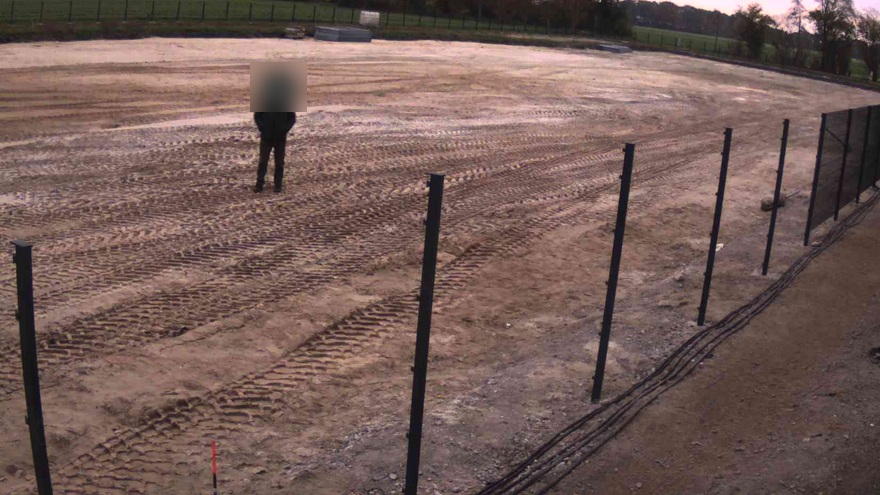
Even without any apparent theft, a person on a construction site can be put in danger. What matters are clear access rights, effective barriers and an appropriate response. What clients and site managers should organise after working hours – and why liability and insurance cover must be assessed separately.
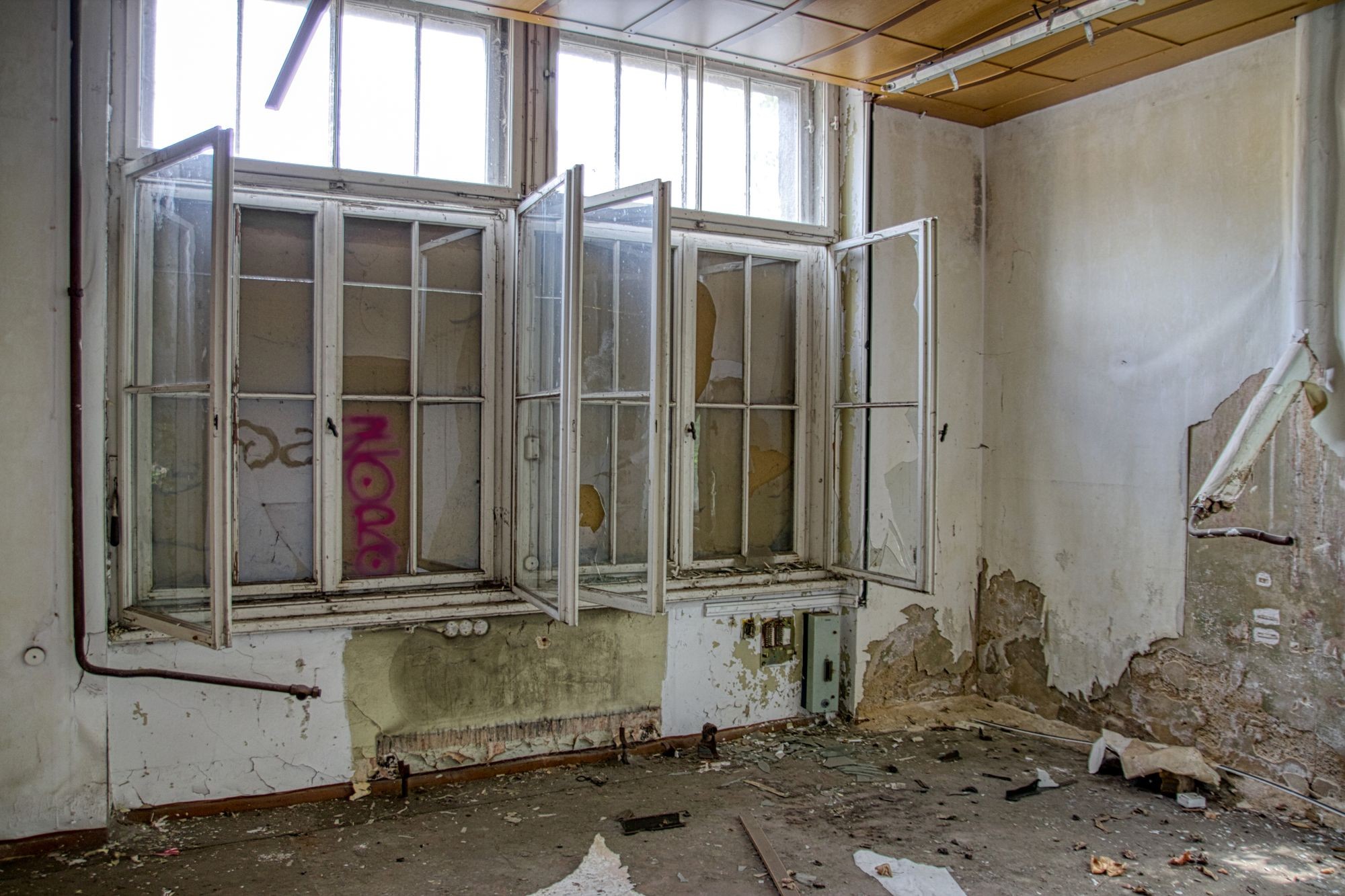
An empty building attracts burglary, vandalism, arson and unauthorised use – and water damage often goes unnoticed for a long time. We show which risks are typical, what residential building insurance policies frequently require when a building is not in use, and how to choose the right mix of inspections, self-powered detection, video with an alarm receiving centre, fire detection technology and site security.
Installing an alarm system retrospectively does not necessarily mean cutting channels into finished walls. Wireless, bus and hybrid each have their strengths. We show the criteria for deciding in an existing building, how secure wireless is against jammers, what battery changes mean in operation and what belongs in a good quotation.
How many cameras does a warehouse need, where are they mounted, how long is footage recorded and who looks at the image when an alarm goes off? We show the order in which to plan video surveillance for your business, what the new DIN EN IEC 62676-4 standard specifies on image quality and which questions you should clarify with your installer and the alarm receiving cent
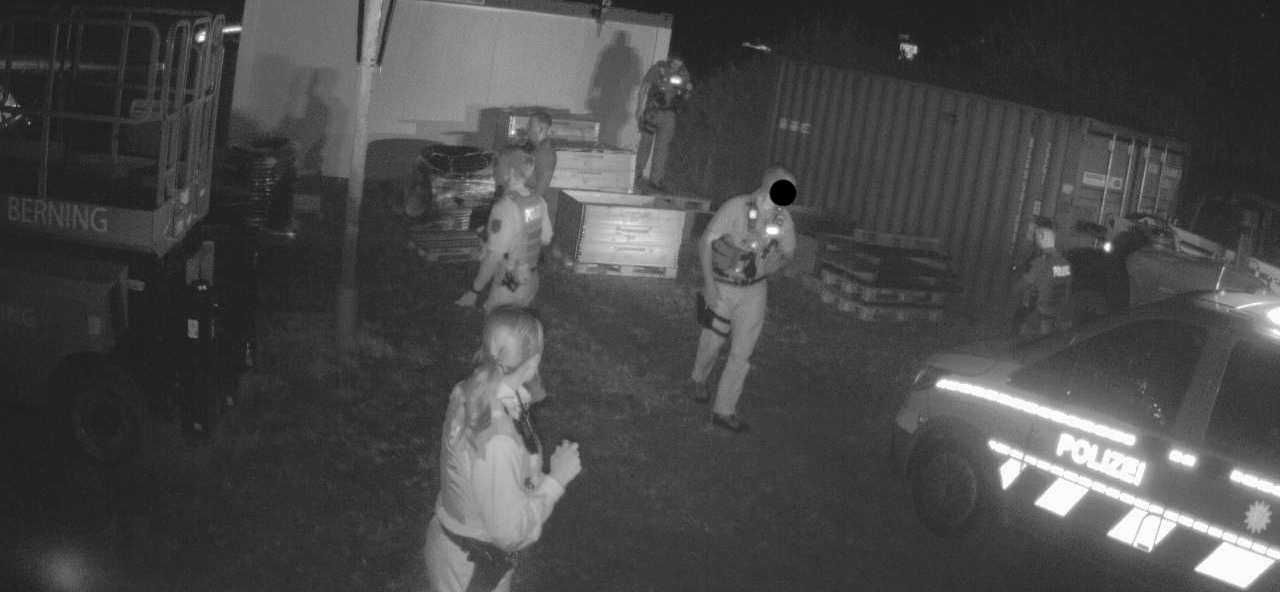
When the alarm system goes off at night, with alarm monitoring it is often a security response service that drives to the property first. We explain how such a call-out works, which rights private security officers have and which they do not, and what you should settle contractually beforehand.
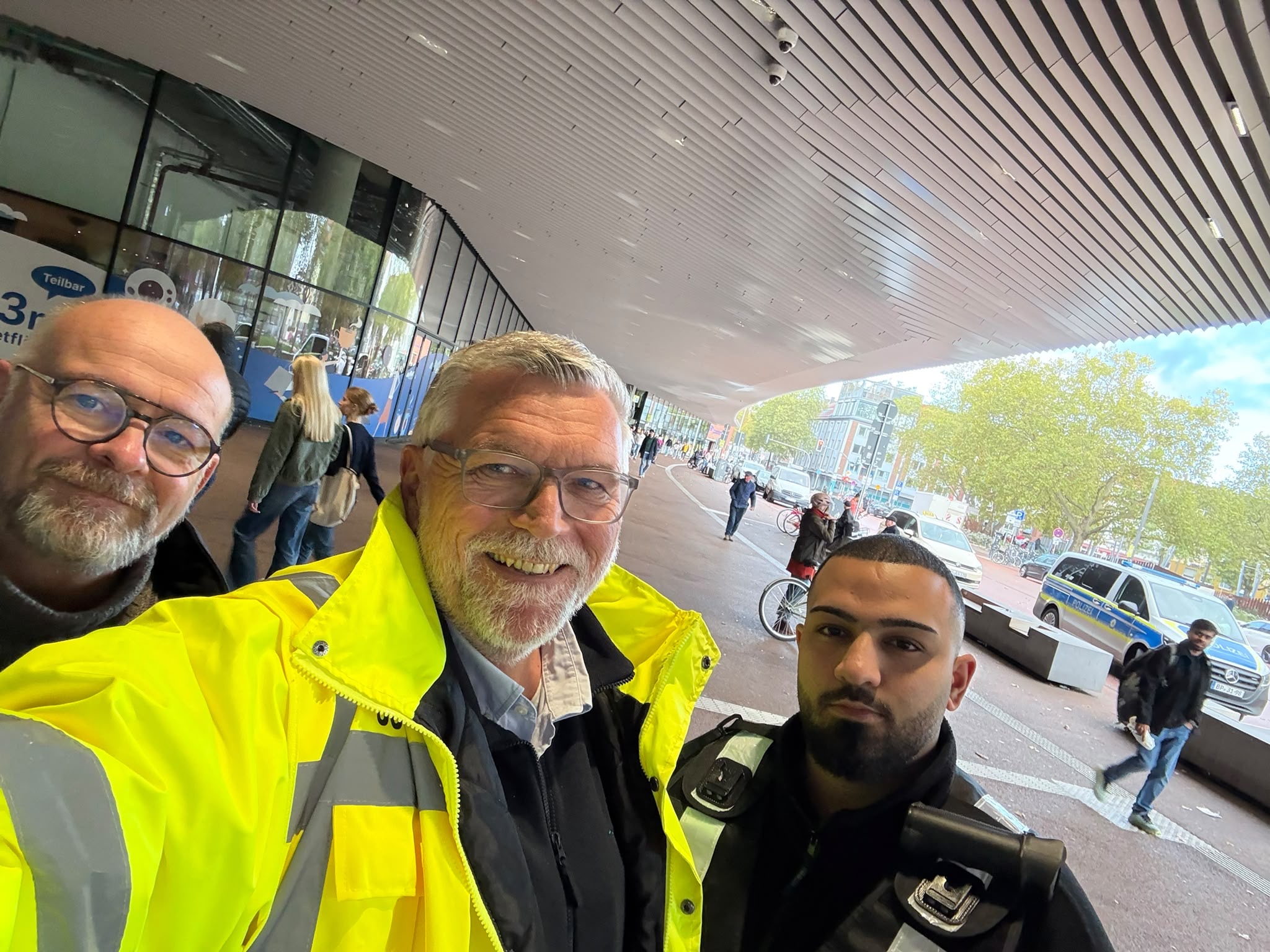
On Saturday, 17 October 2026, Peter Bensmann accompanied one of our security officers during an operational shift around Münster Central Station. The district mayor of Münster-Südost and CDU candidate for the Münster II constituency used the visit to gain first-hand insight into the day-to-day realities of private security work ahead of the 2027 North Rhine-Westphalia state election.
An alarm system reports danger. But what happens next? We explain how an alarm receiving centre handles alarms, why the police do not come automatically, who pays for false alarms and what the response plan should contain.
Six new sites, 32 installed detectors and one attempted break-in that was stopped at an early stage. Our August showed once again how flexibly mobile and autonomous security technology can be deployed.
We will call you back shortly on the number provided.
Cookie notice
Cookies and similar technologiesWithout optional consent we only use what is technically required: e.g. session cookies for the protected client area (after login) and security cookies (CSRF). We do not use these for advertising or profiling on our behalf.
With "Necessary only" you allow essential cookies only and decline optional analytics (e.g. Google Tag Manager).
By choosing "Accept all" you also agree to Google Tag Manager (reach and usage analysis) as described in our
privacy policy.
On forms we may load Google reCAPTCHA for spam protection.
We do not sell personal data. Details on vendors, retention and your rights are in the privacy policy.