
Self-contained operation
Protection even without an existing mains connection. Ideal for remote and temporary sites.
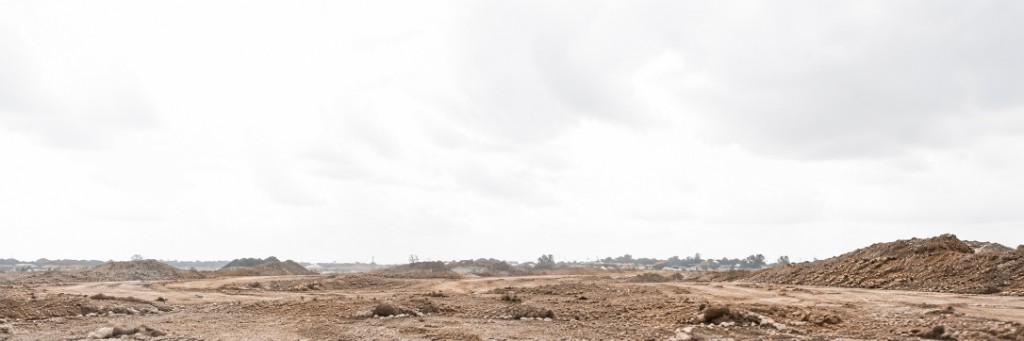
Self-contained video surveillance
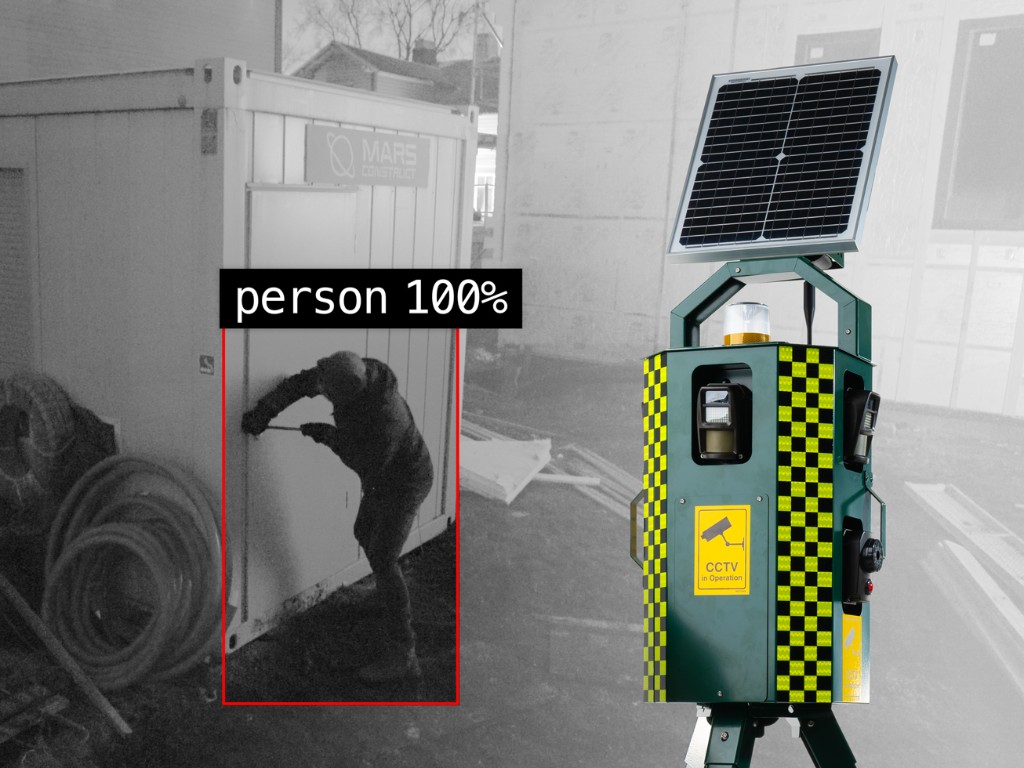
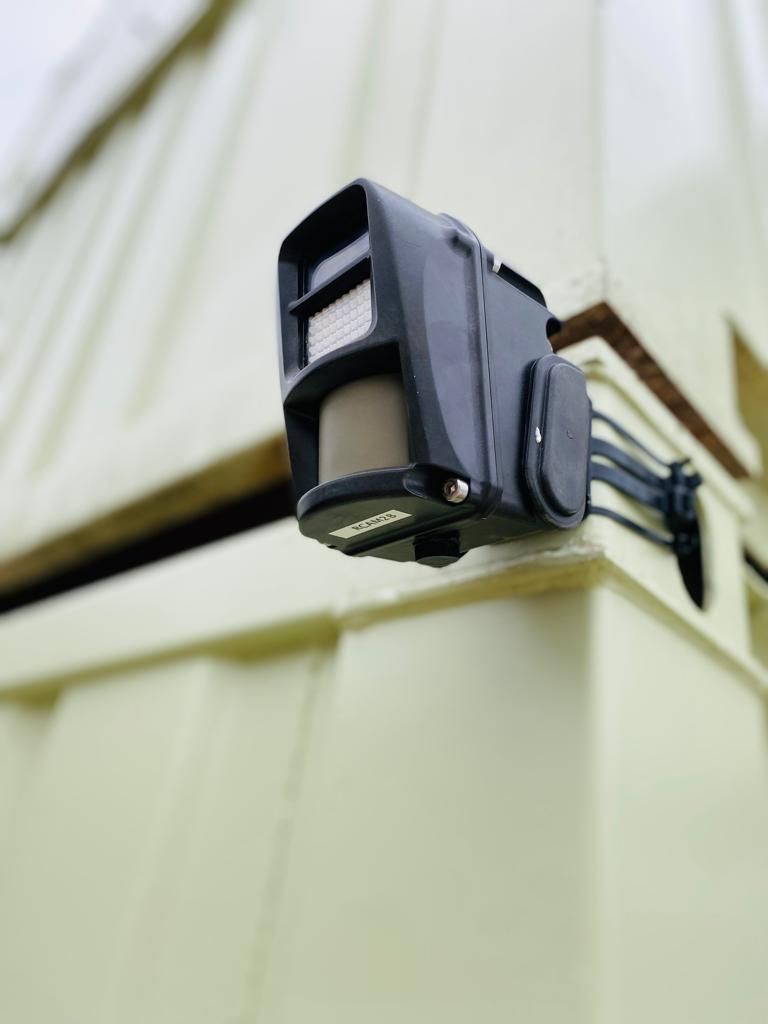
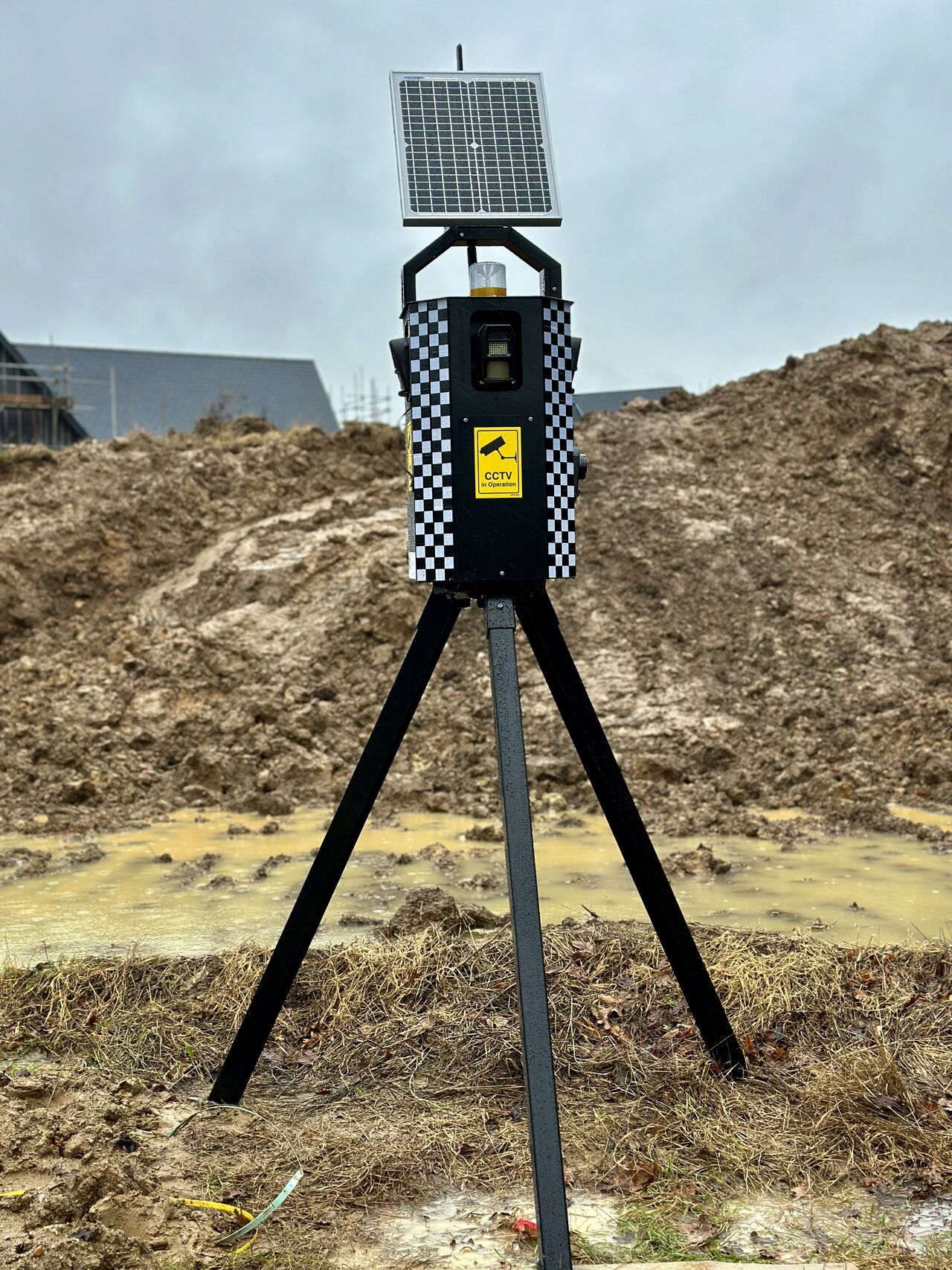
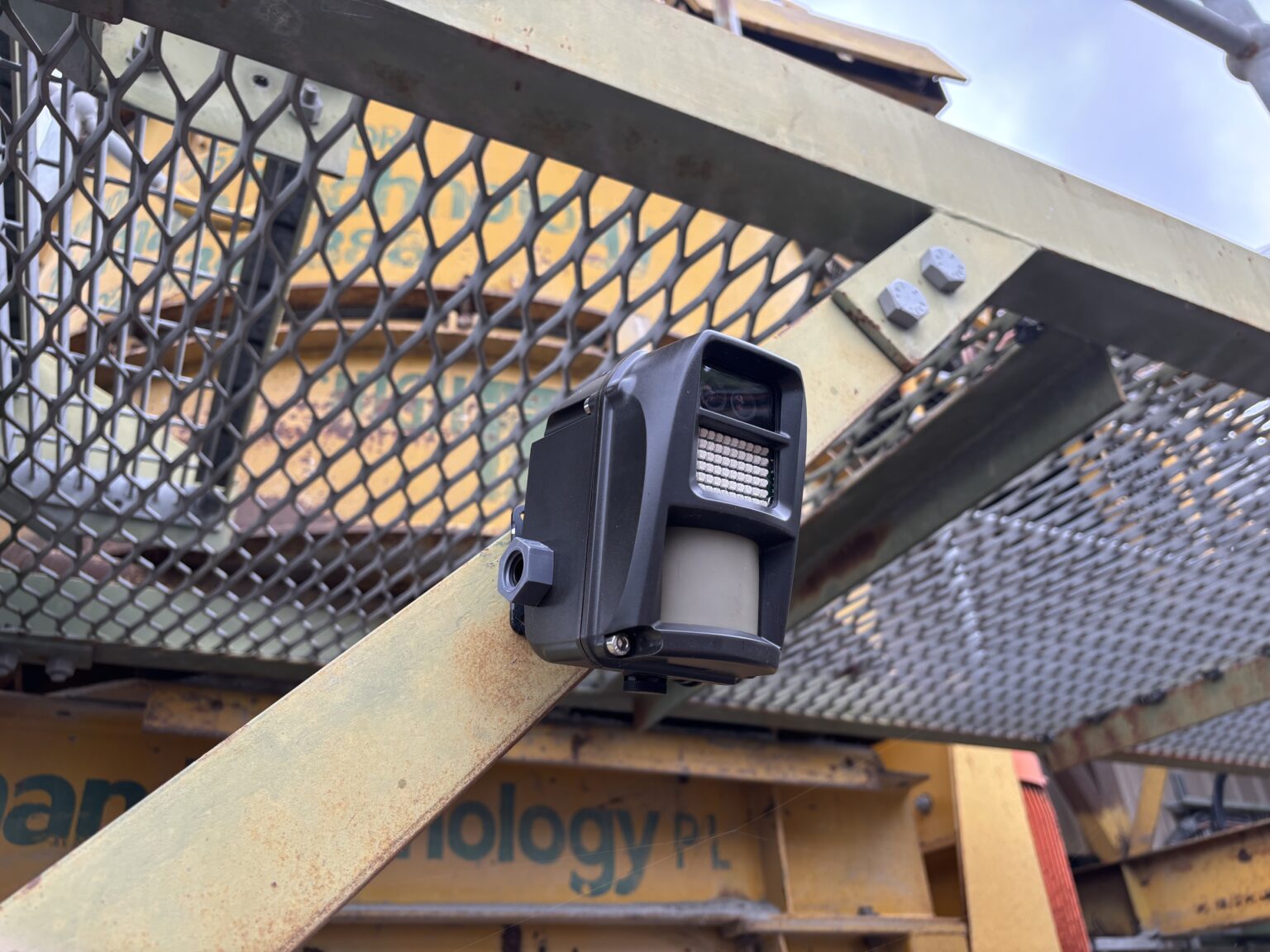
Sentinel detects intruders automatically, transmits alarms to our control centre and protects construction sites around the clock – fully self-contained and ready for use in the shortest time.
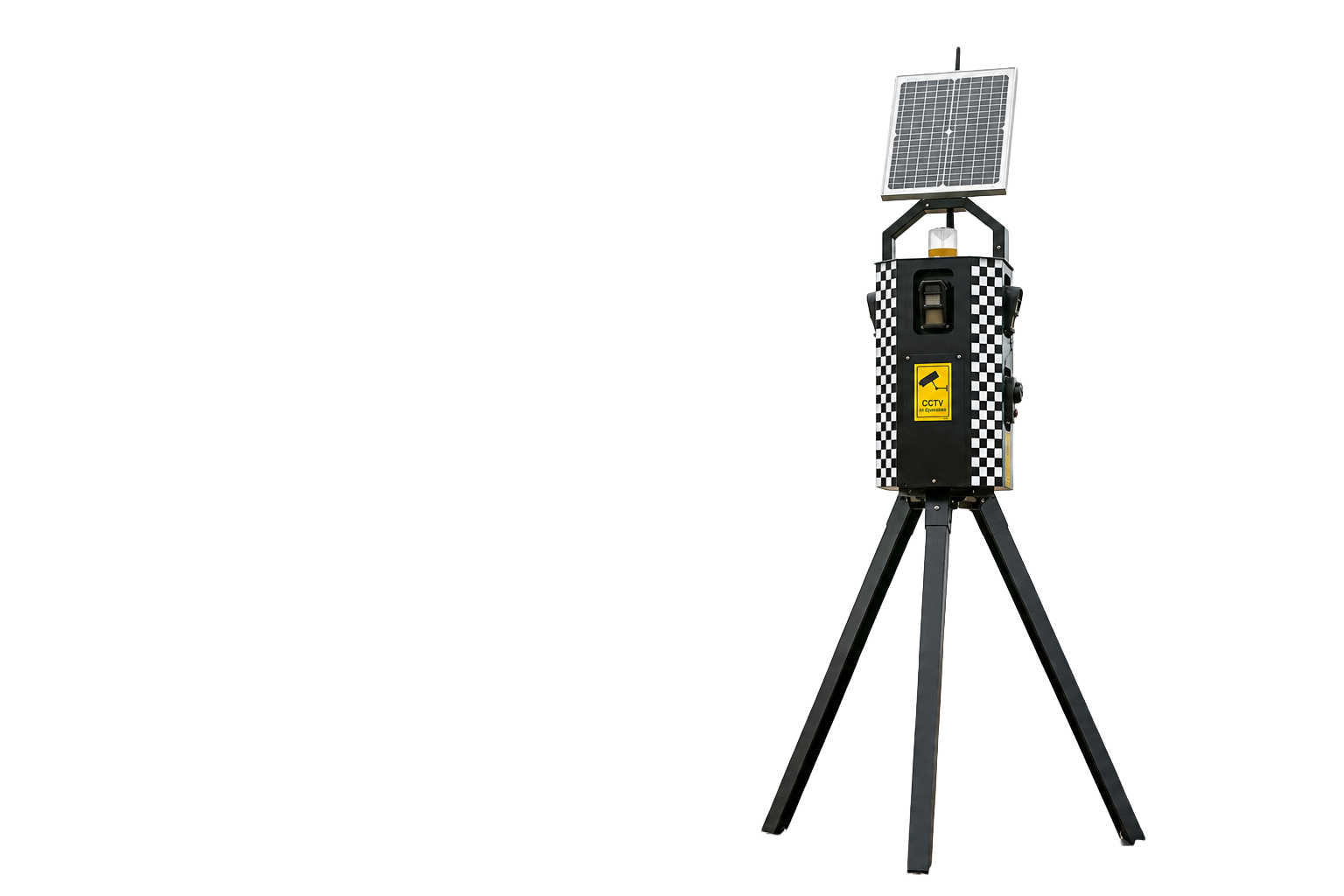
Many outdoor areas are hard to protect economically with permanently wired CCTV or standing guards – especially where infrastructure is missing or the site keeps changing.
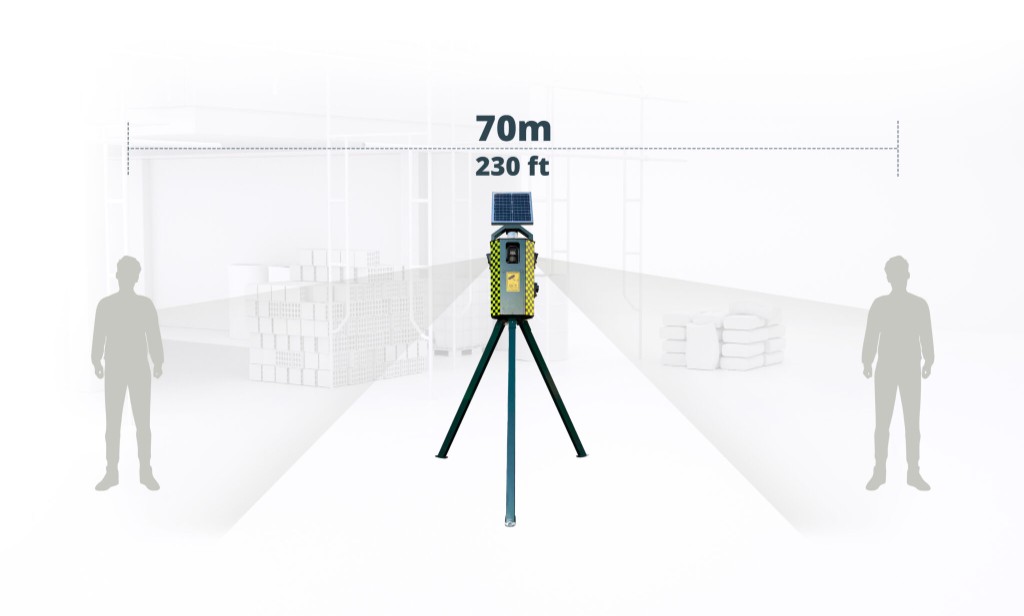
70 m detection
Detection at range – typically up to 70 m (230 ft), depending on alignment and terrain.
Fully self-contained
Operates without a mains connection and without a fixed internet line – mobile uplink.
Fewer false alarms
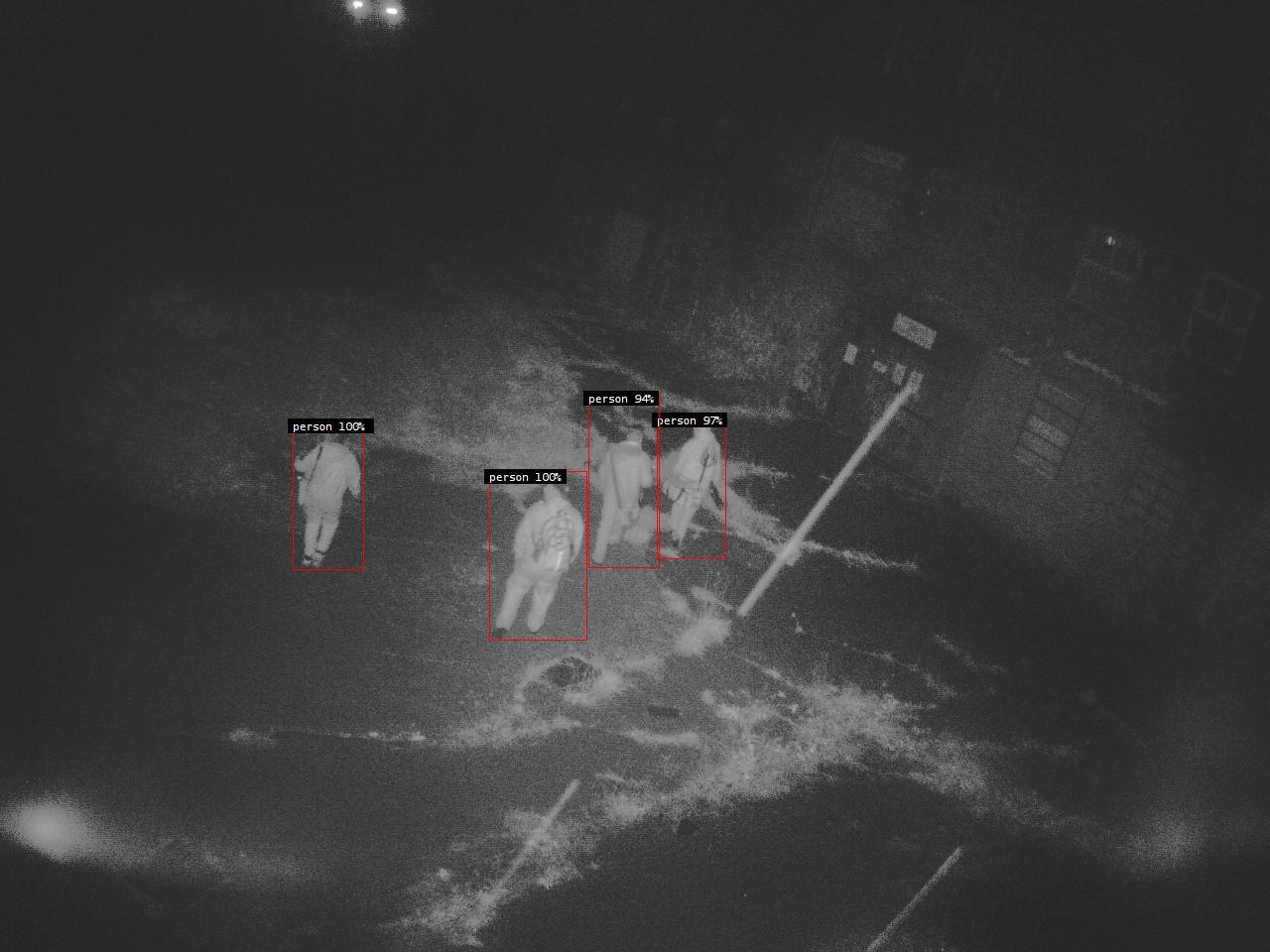
Events reach the control centre with image context. That helps reduce false alarms.
Deployed in about 20 minutes
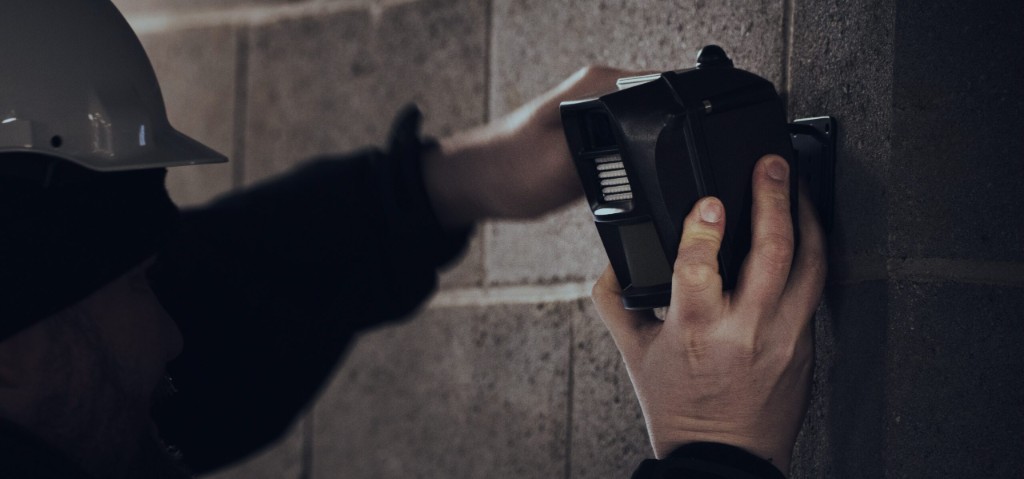
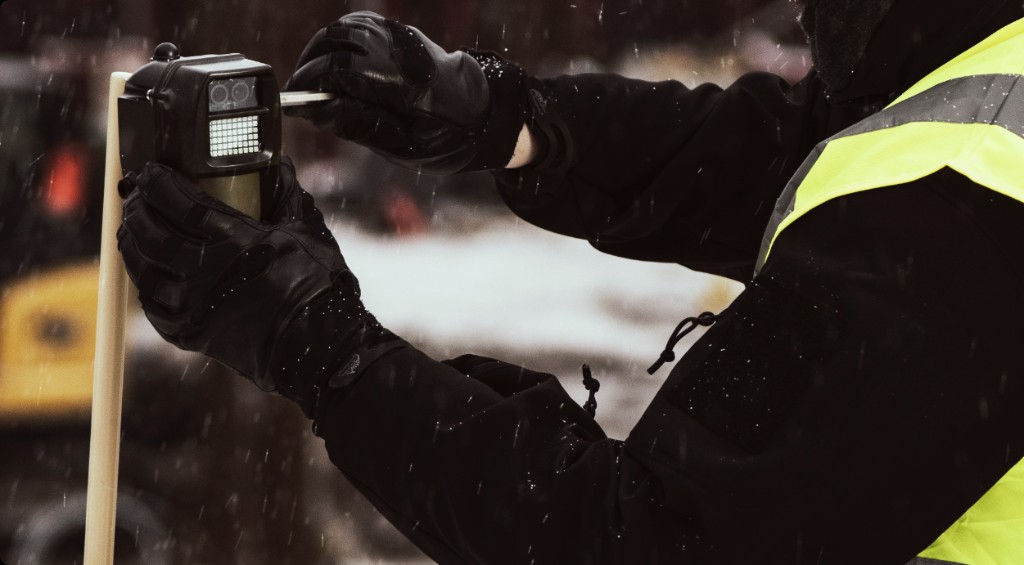
Set up and live after on-site alignment – no cable trench.
Sentinel
Sentinel protects sites, construction areas and critical zones even where no conventional security infrastructure exists. The mobile security solution is as suitable for temporary outdoor surveillance as for long-term projects.
When construction fields or project sections change, the units can be relocated and adapted to the new risk – without a new cable route and without months of planning.
Not just placing technology, but creating a working security chain.
Clear security for outdoor areas – from rapid deployment to alarm handling in the control centre.
Protection even without an existing mains connection. Ideal for remote and temporary sites.
Ready at short notice after areas have been agreed. Less lead time than permanently wired technology.
Units can be moved when construction sections or risks change.
Unauthorised people and vehicles are detected early – before damage occurs.
Events reach the control centre with image context. That helps reduce false alarms.
Our ARC checks alarms and initiates measures according to your alarm plan.
From individual sections to large sites – modular and expandable.
Temporary or over years: support and adaptation across the full project duration.
From analysis to intervention – clearly defined and matched to your site.
We assess risk, access, network coverage and the legal framework.
Setup at the critical points – flexibly and without an expensive cable route.
Relevant movement is detected and transmitted on an event basis with image context.
The ARC assesses the incident and decides according to your escalation matrix.
Live challenge, notification of contacts, intervention or – where the situation warrants – the authorities.
Sentinel does not replace security officers – it detects events early, while the control centre and intervention handle the response.
You do not just receive technology. AEGIS Protect handles planning, setup, monitoring and professional alarm handling – one contact for the entire security chain.
We will advise you on planning, implementation and connection to our alarm receiving centre (ARC) – tailored to Sentinel – self-contained site surveillance.
Single points rather than a full perimeter?
For access points and partial areas, self-contained detectors are often enough – no tower, right at the risk.
Operators of critical infrastructure and major construction projects need increased protection, clear documentation and reliable escalation – often at remote sites and across multi-year construction phases.
Sentinel can form part of an individual protection concept. We do not claim that the solution automatically meets all statutory KRITIS requirements – we match technology, alarm plan and intervention to your risk.
KRITIS umbrella act & physical protectionWhere mobile site surveillance and temporary outdoor surveillance are particularly useful.
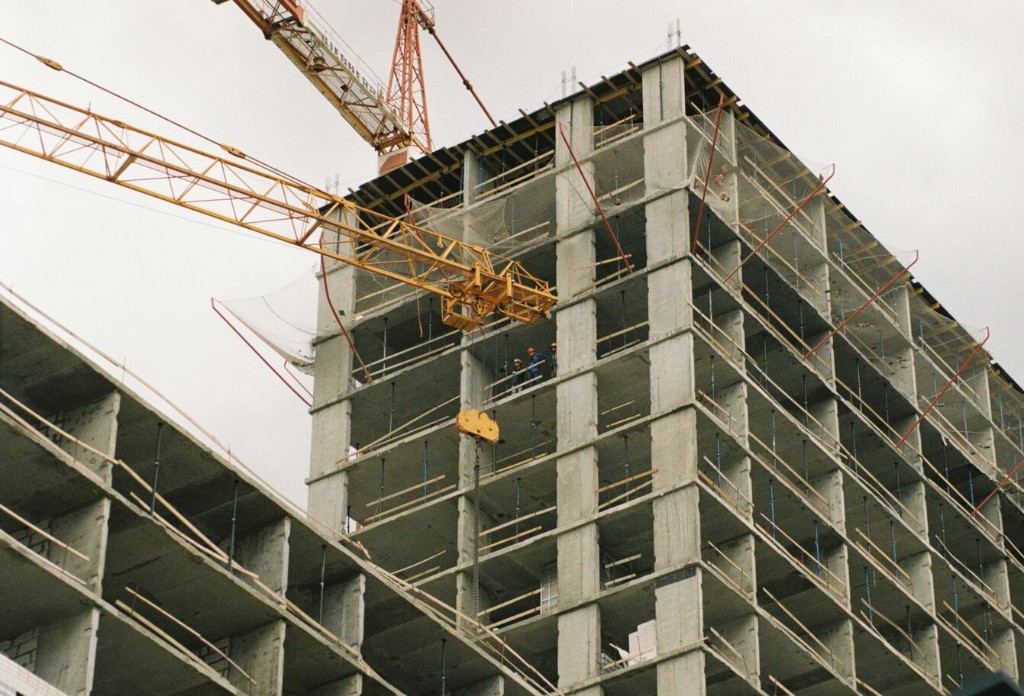
Self-contained construction-site surveillance for plant, materials and changing sections – even without power.
To enquiry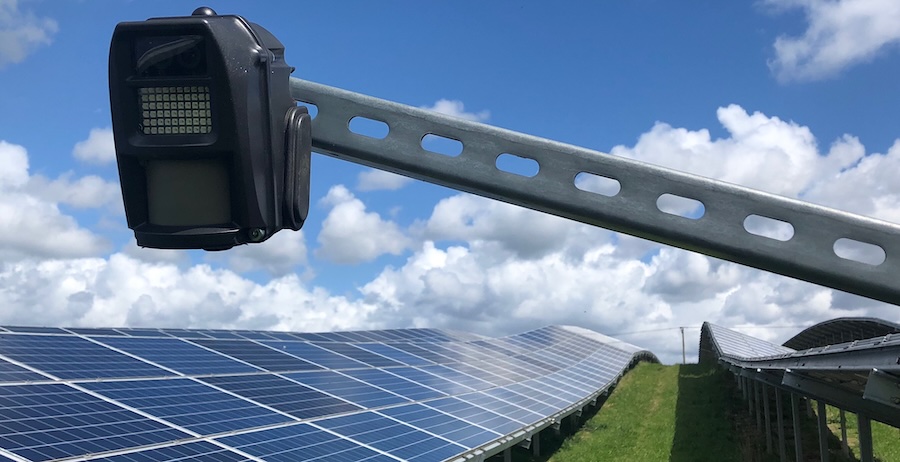
Surveillance of extensive ground-mounted PV without a building connection – with visual verification and control-centre monitoring.
To enquiry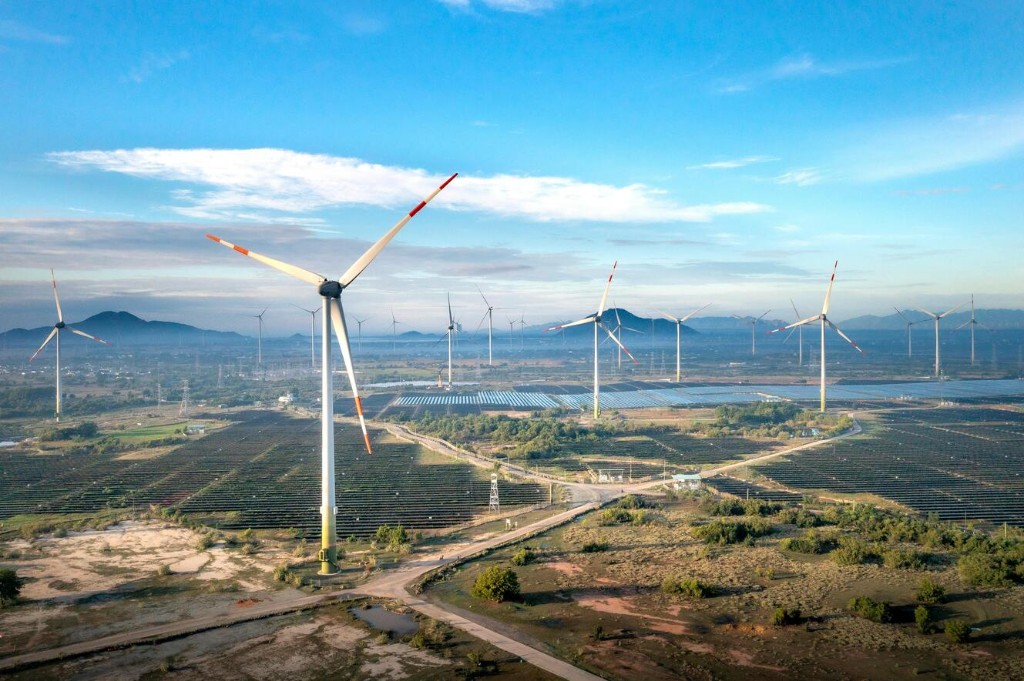
Protection of technical outdoor areas and remote plant during construction and operation.
To enquiry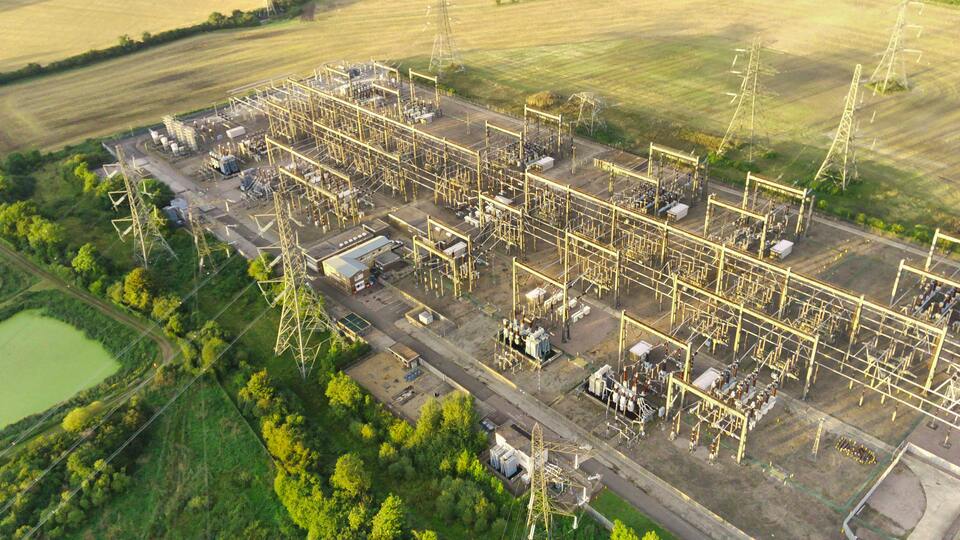
Additional protection of critical switchgear without a new cable route – until a fixed installation or permanently.
To enquiry
Perimeter, access roads and open areas with a clear alarm chain for warehousing and transhipment.
To enquiry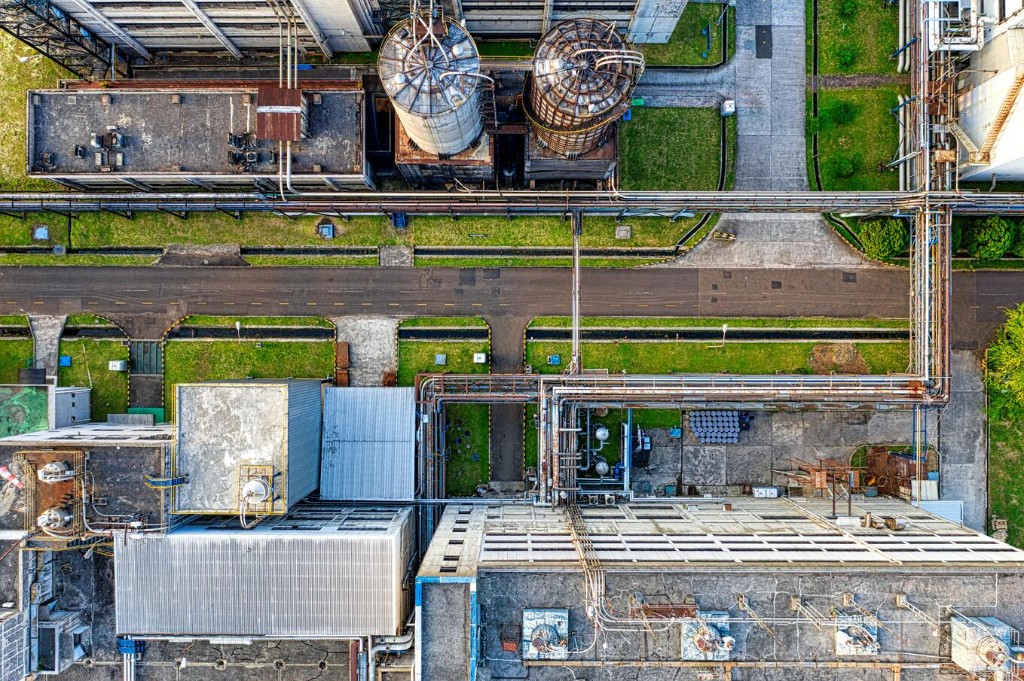
Expansion phases, special areas and transitions until fixed technology is commissioned.
To enquiry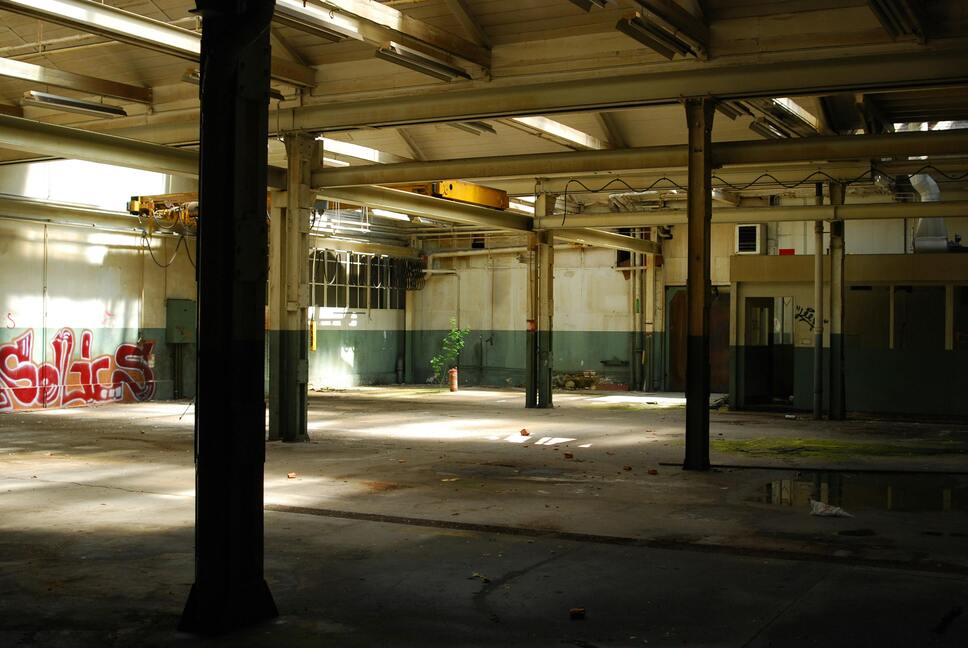
Rapid increase in surveillance until refurbishment, marketing or reuse.
To enquiry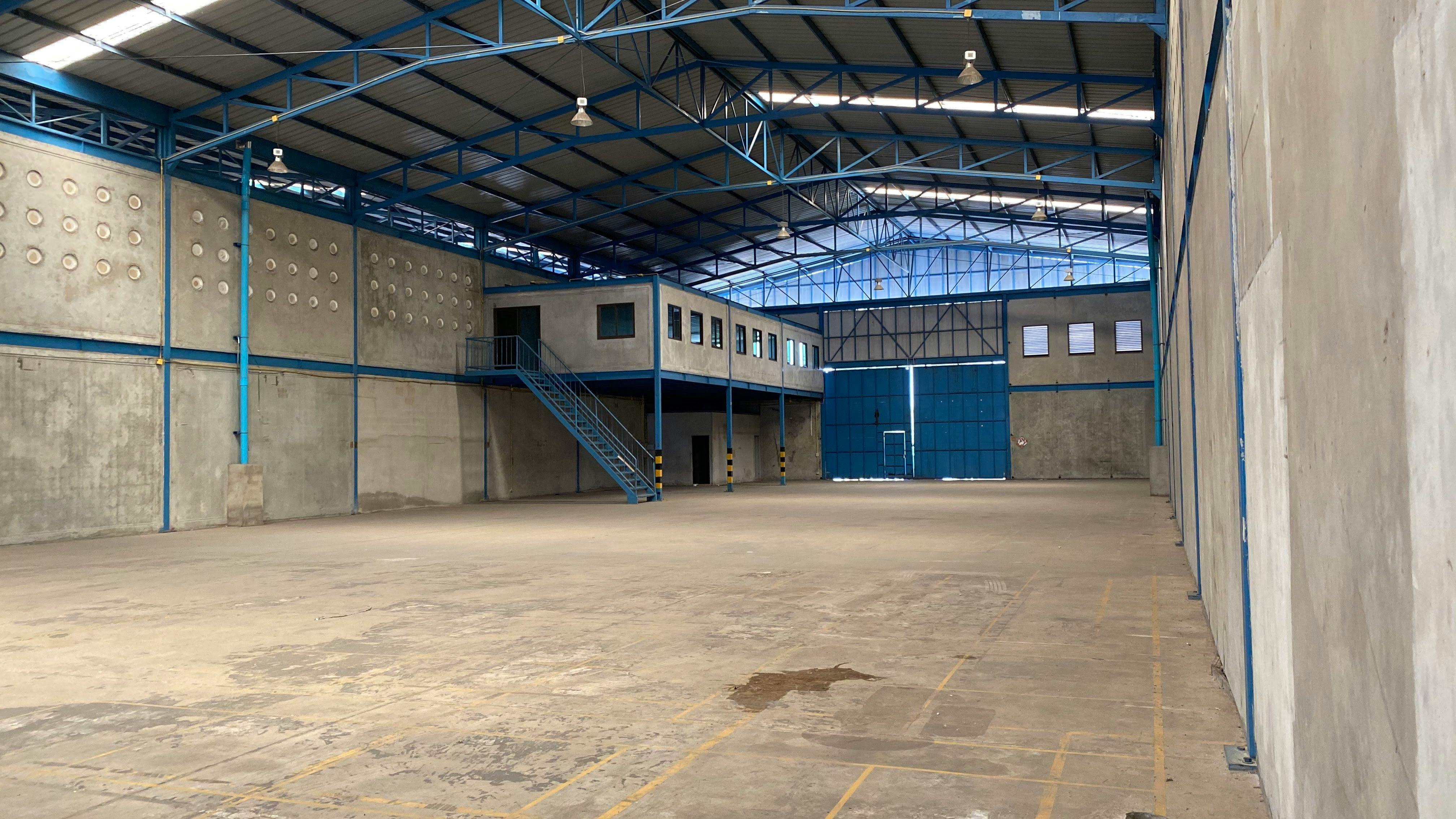
Temporary outdoor surveillance of depots and extra stores without permanent infrastructure.
To enquiry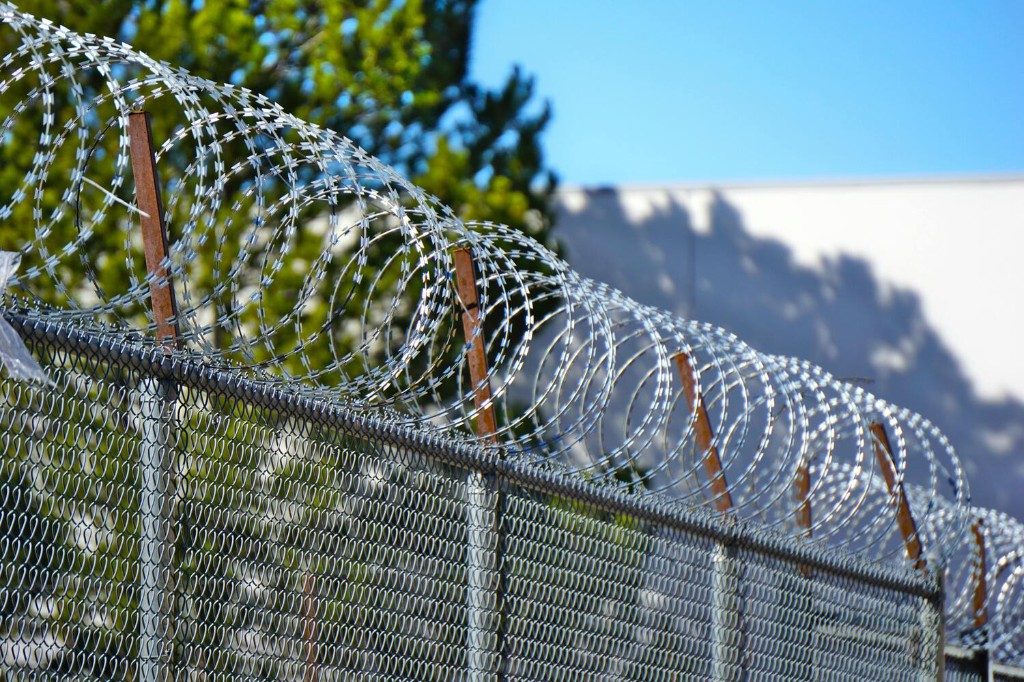
Fences, paths, routes and critical points – flexible across construction phases.
To enquiry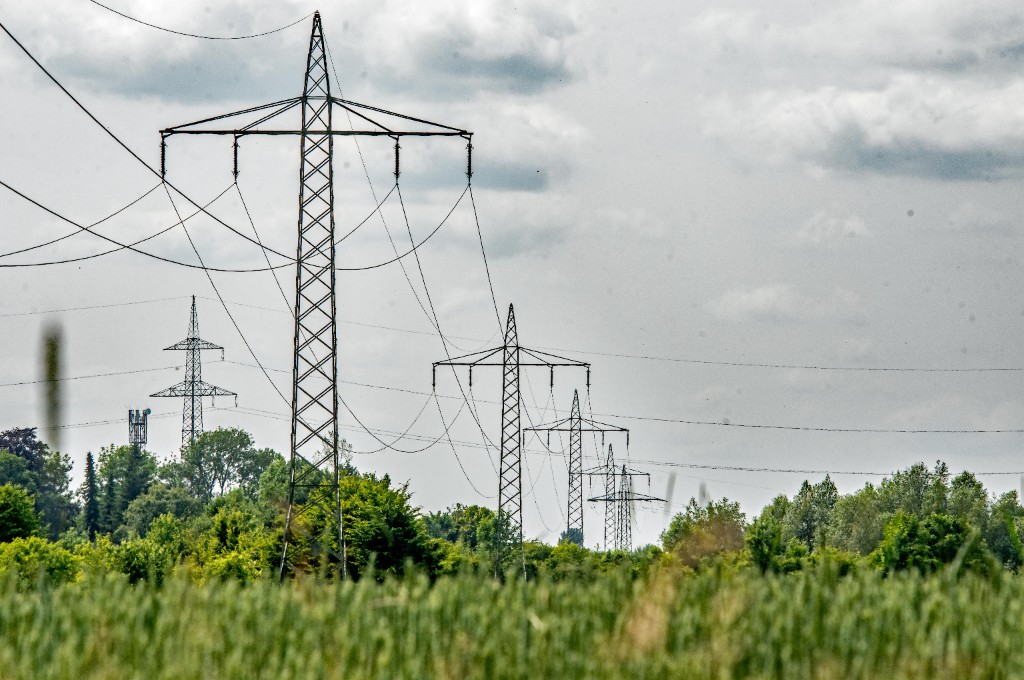
Part of an individual protection concept for sensitive and high-relevance areas.
To enquiry
Time-limited protection of exclusion zones, construction sections and special areas with a clear duration.
To enquiry
Sites without a fixed network and without permanent power – operation with a mobile connection.
To enquiryShort and clear on self-contained construction-site surveillance, control-centre monitoring and the use of Sentinel.
We will call you back shortly on the number provided.