
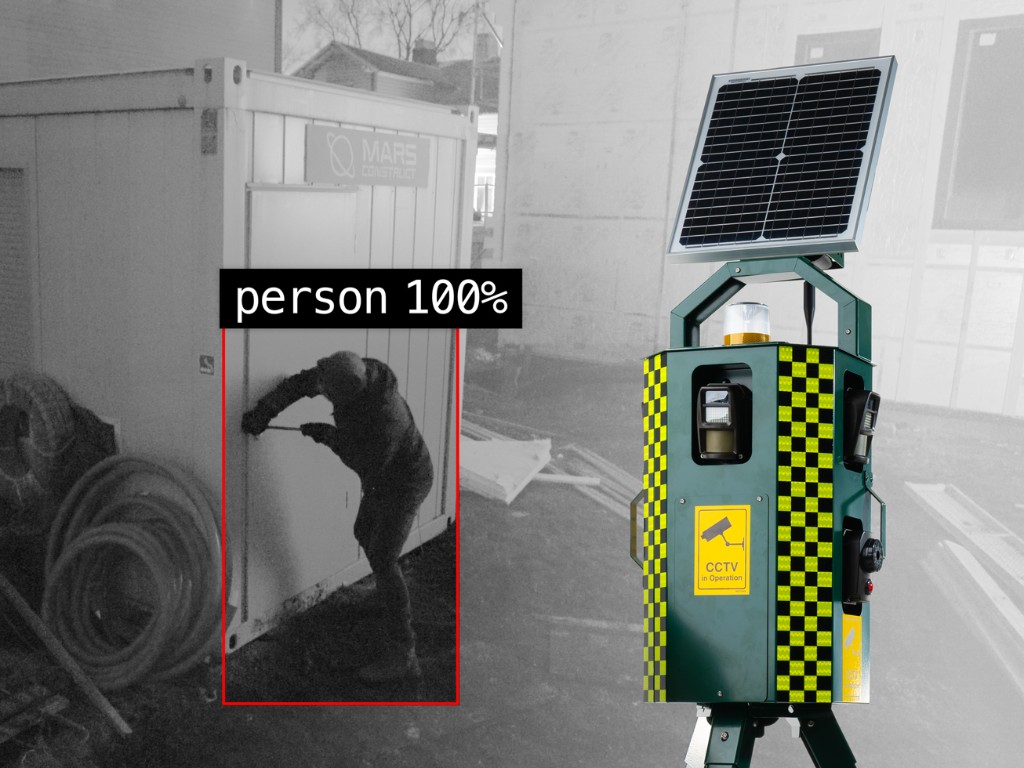
Security technology Self-contained video surveillance AI vs. CCTV
Visual verification vs. CCTV only
The right strategy for your clients’ sites: guidance and differences between an intrusion system with visual verification and classic CCTV – including control-centre logic and typical outdoor use.
What is the difference?
CCTV generally records continuously or largely continuously. An intrusion system with visual verification, by contrast, typically captures images only when a threat or relevant incident has been detected by another method – for example a PIR motion detector, microwave barriers, radar or other sensors.
How does such a system work?
Exact sequences depend on manufacturer and architecture – in particular how the intrusion attempt is detected and whether AI is used for assessment. For modern, self-contained outdoor solutions with video alarm, the flow can look roughly like this:
- 1 The outdoor unit is normally in a low-power mode – important for battery-powered, self-contained use and to save energy for events.
- 2 The detector registers movement (depending on the model, for example up to around 35 m).
- 3 The camera is activated; in darkness, infrared illumination as well. An image or a short sequence is produced.
- 4 The recordings are transmitted for analysis over a radio or mobile connection (e.g. via a radio/IP bridge).
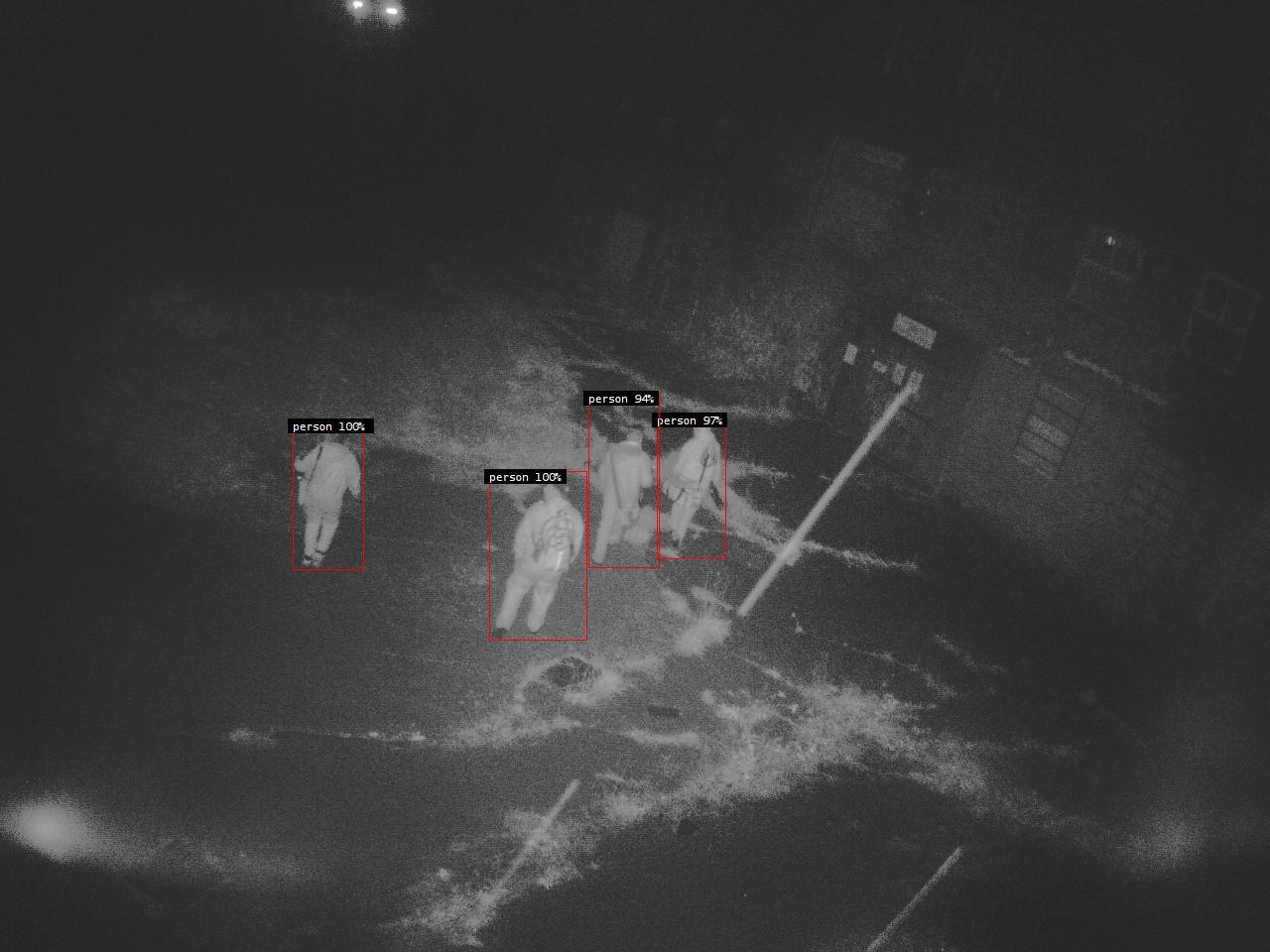
- 5 Optionally, AI-supported object recognition pre-checks the image content.
- 6 The alarm is confirmed or discarded.
- 7 Alarm data and images go to the monitoring centre (ARC), a web interface and/or a mobile app – depending on the project and approval.
Technical depth on installation and connection: Self-contained video surveillance.
Advantages of CCTV
CCTV is widely used indoors and outdoors. Because footage is often continuous, CCTV is especially suitable for documentation and investigation – with a high level of detail before and after an incident. It can also serve as evidence for the authorities.
- Continuous recording: the sequence before and after an intrusion can be reconstructed
- Video can be more persuasive than individual stills
- Strong suitability for showing what actually happened
Advantages of visual verification
Systems with visual verification are often used outdoors to detect and respond to area intrusion. Because they report when the sensor triggers, they are well suited to protecting valuable outdoor plant and movable assets.
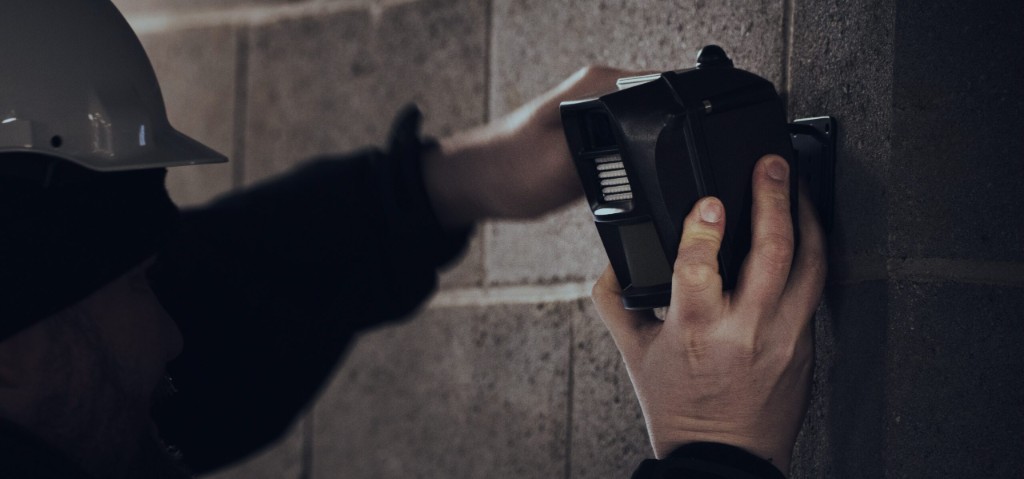
- Installation is possible without a local power or fixed-network connection
- Suspicious behaviour is often detected within seconds
- Lower data and energy use than continuous video
- Monitoring centres can work more efficiently – less irrelevant video load
Integrated security: CCTV and visual verification together
Both approaches are often combined. Many operators run CCTV and a detection system with visual verification in parallel to combine strengths.
- Different tasks: CCTV e.g. for occupational safety or documentation, visual verification for rapid intrusion alerting.
- Different times: CCTV during working hours, visual verification outside core hours.
- Different project phases: e.g. visual verification during construction, fixed CCTV once the need is permanent.
False alarms and visual verification
False alarms and unnecessary outdoor deployments tie up resources and reduce the urgency of real alarms. Visual verification makes it possible to assess the situation from the image and reduce unnecessary call-outs. Many solutions use AI so that obviously irrelevant reports never reach the control centre – with a positive effect on cost and response focus.
Quality solutions go further: besides AI filters, dynamic configuration of detectors (e.g. adjusted sensitivity) can help avoid repeated false reports and spare battery and data transmission.
Self-contained outdoor solutions with video alarm – typical features
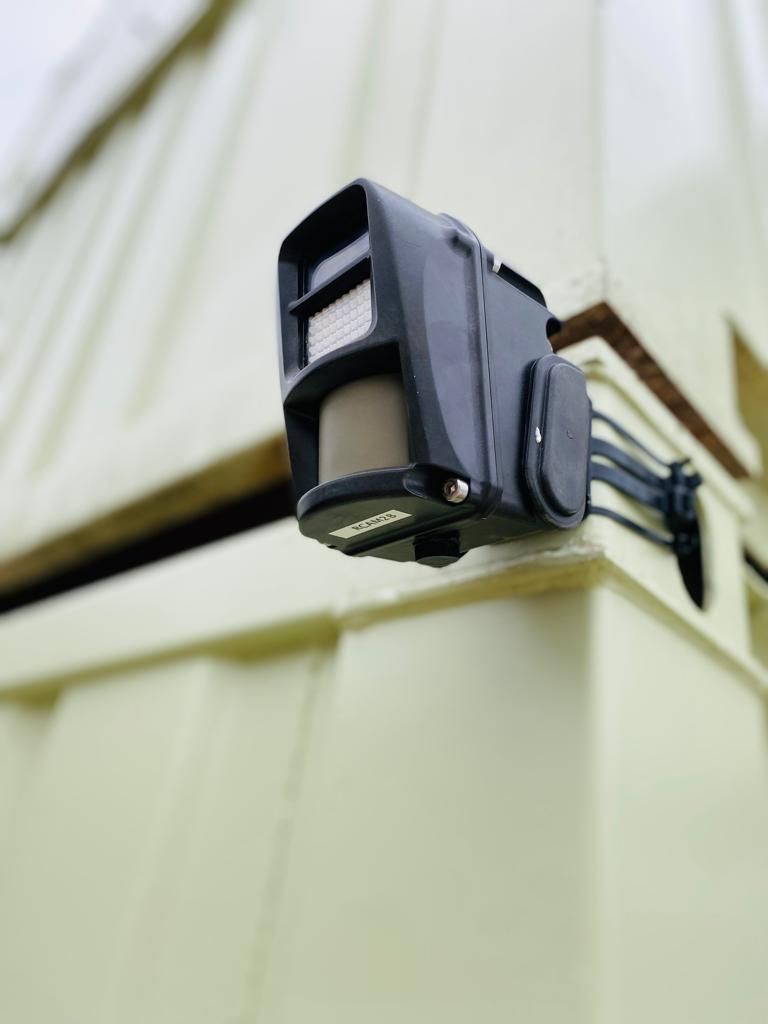
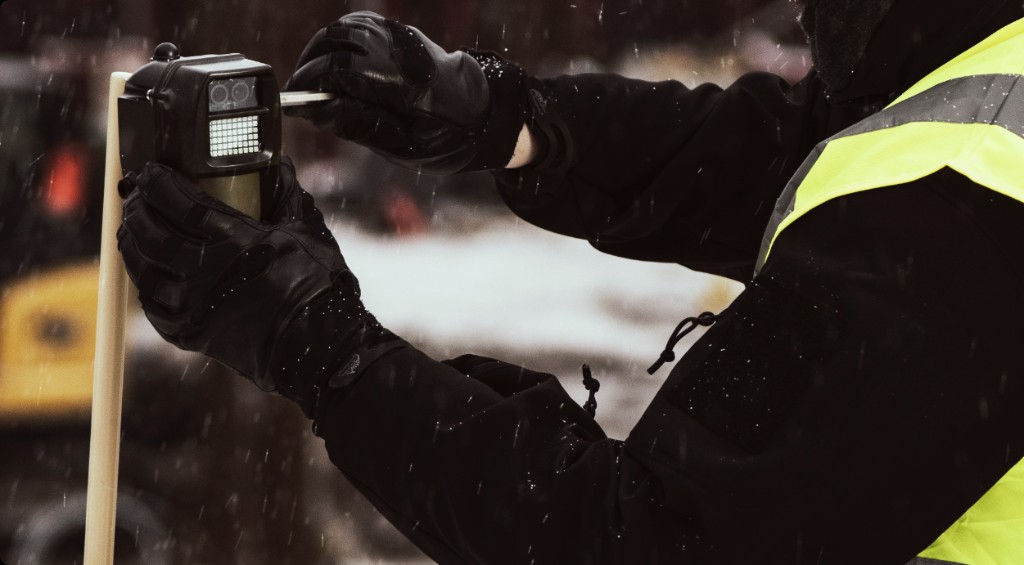
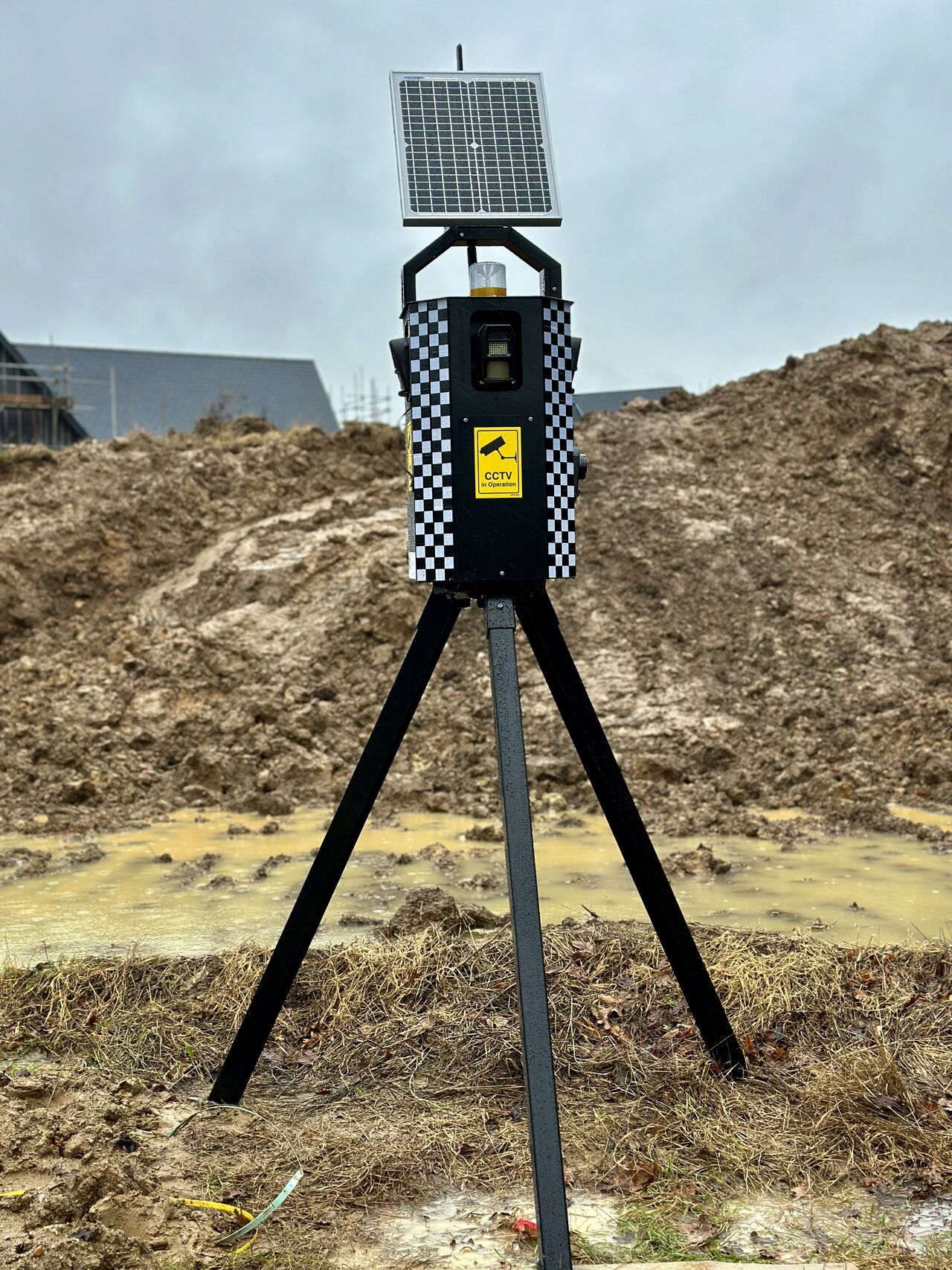
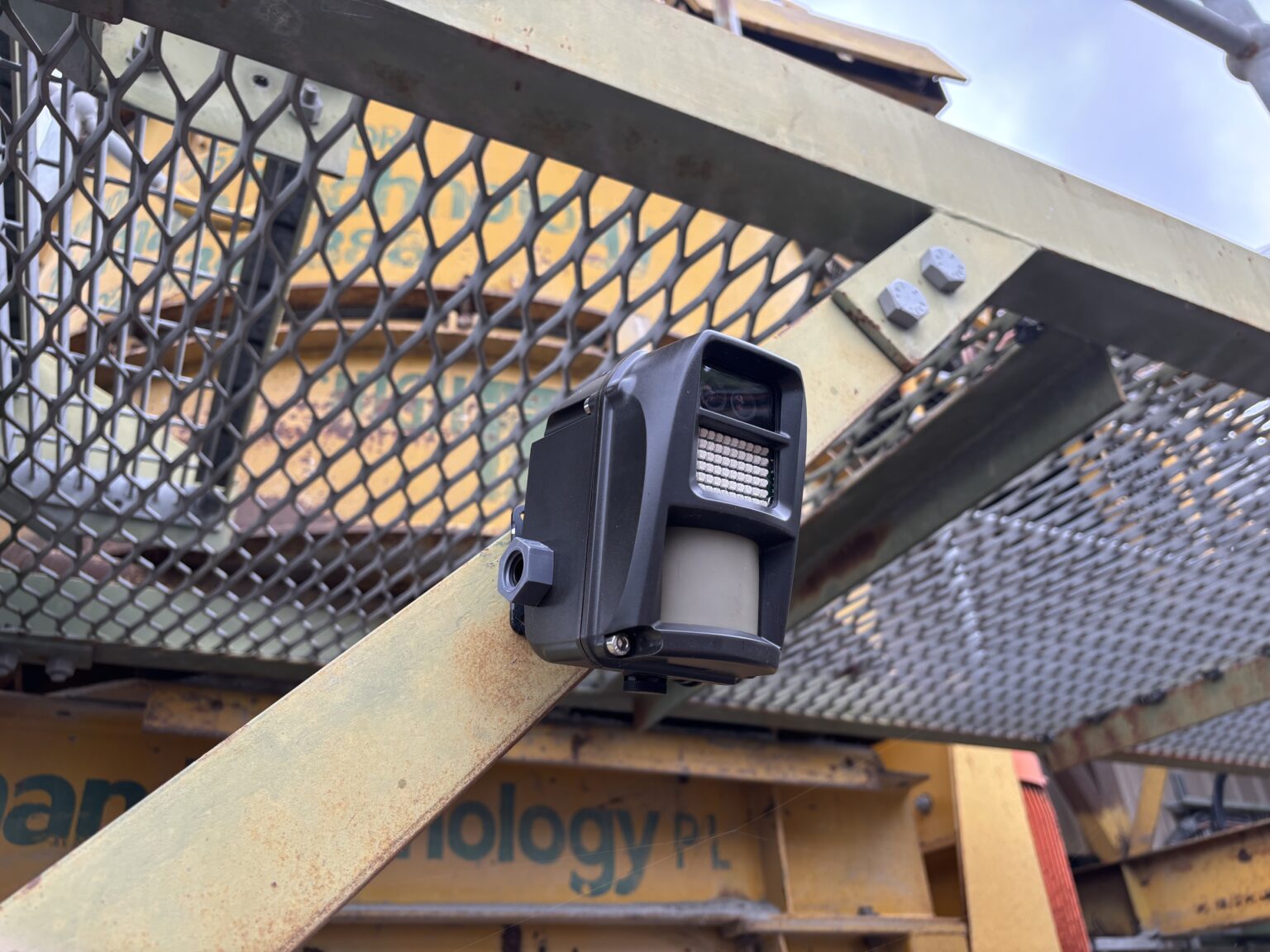
Such systems are particularly suitable for remote outdoor sites without a permanent power or Wi-Fi connection. Development priorities in this segment are often high availability at moderate operating cost and little routine work on site. For the self-contained units we connect to our ARC, the following properties apply among others (depending on model and approval):
- Battery life of many months up to longer intervals (project-dependent)
- Ingress protection e.g. to IP67 for harsh outdoor use
- High-resolution images for verification
- Detection ranges in the order of about 35 m (about 115 ft), depending on the manufacturer
- Clear reduction of false alarms through AI-supported pre-checks – the exact rate depends on surroundings and configuration
We are happy to quote exact figures and certifications for the device and project before contract.
ARC connection and interfaces: Video monitoring · Self-contained video surveillance · Sentinel – self-contained site surveillance

Discuss a Sentinel security solution?
We will advise you on planning, implementation and connection to our alarm receiving centre (ARC) – tailored to Sentinel – self-contained site surveillance.
- Address
- An der alten Ziegelei 36b
48157 Münster, Westf. - Telephone
- +49 (251) 952 039 00
- info@aegis-protect.de