
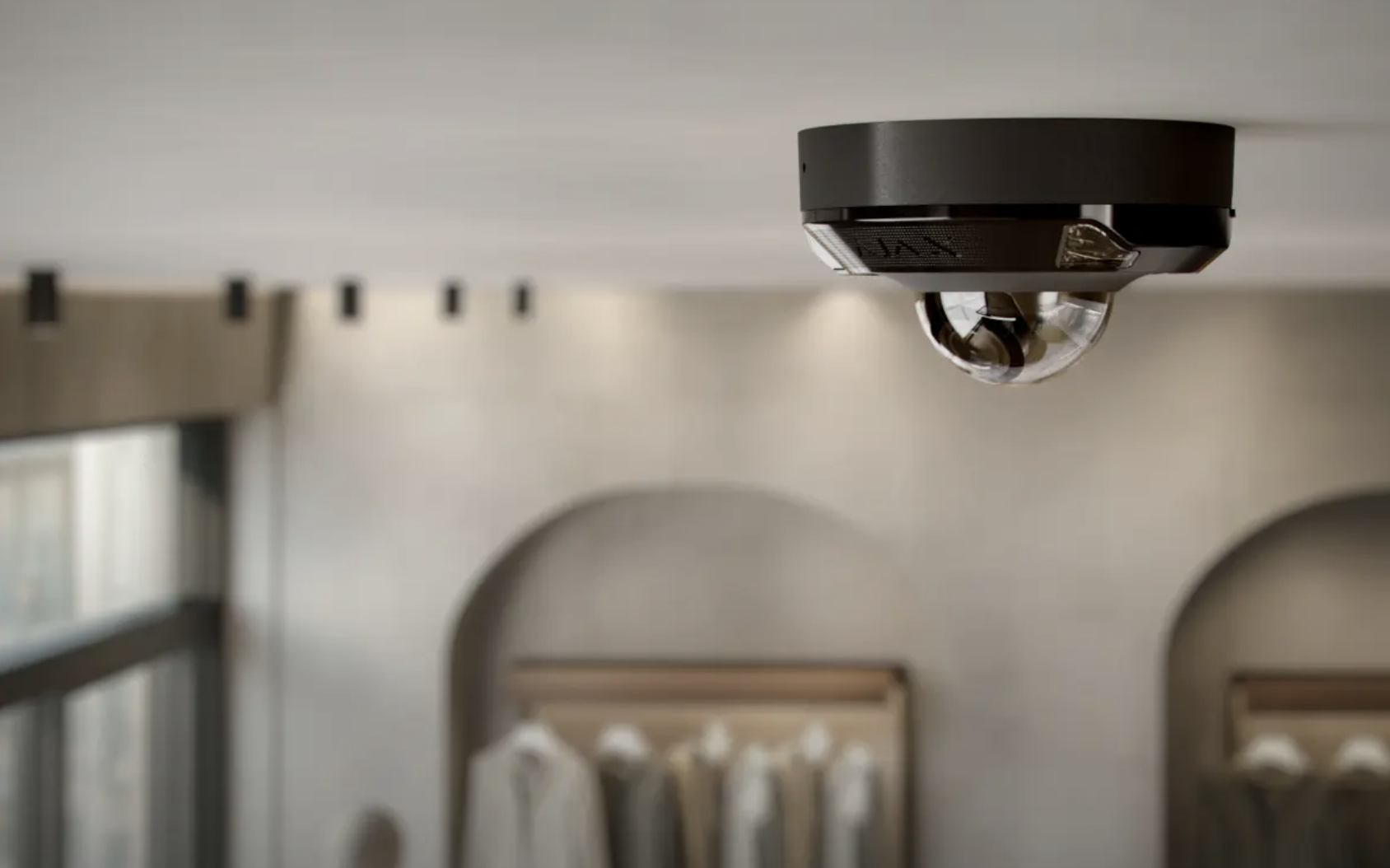
Security technology Self-contained video surveillance Wireless vs. cable
Wireless vs. wired outdoor cameras
The right strategy for your clients’ sites: differences between wired systems and fully wireless outdoor units – from installation to long-term operation.
What is the difference?
Wired outdoor cameras use a cable connection between the cameras and a central recording or analysis unit; power is typically supplied from the building network or dedicated lines.
Fully wireless cameras are not connected to mains power – they run on batteries and, where used, solar or other supplementary energy sources. Images and control commands travel over wireless communication (Wi-Fi, mobile data or similar).
Wired outdoor cameras – advantages and disadvantages
Wired systems can often record and transmit continuously at high resolution. They are well suited to monitoring workflows, documentation and later review. Installation effort is higher than for battery devices; in return, frequent battery changes are usually unnecessary, and on permanently secured sites they are often economical.
Advantages
- Very good audio and image quality is possible
- Large distances between camera and centre over suitable infrastructure
- Less interference from household radio in the classic cable-versus-air sense (provided your own LAN is cleanly designed)
Disadvantages
- More complex, time- and cost-intensive installation
- Less flexibility when relocating later
- In longer power cuts the system can fail without backup
- Trenches and cables limit possible camera positions
Fully wireless outdoor cameras – advantages and disadvantages
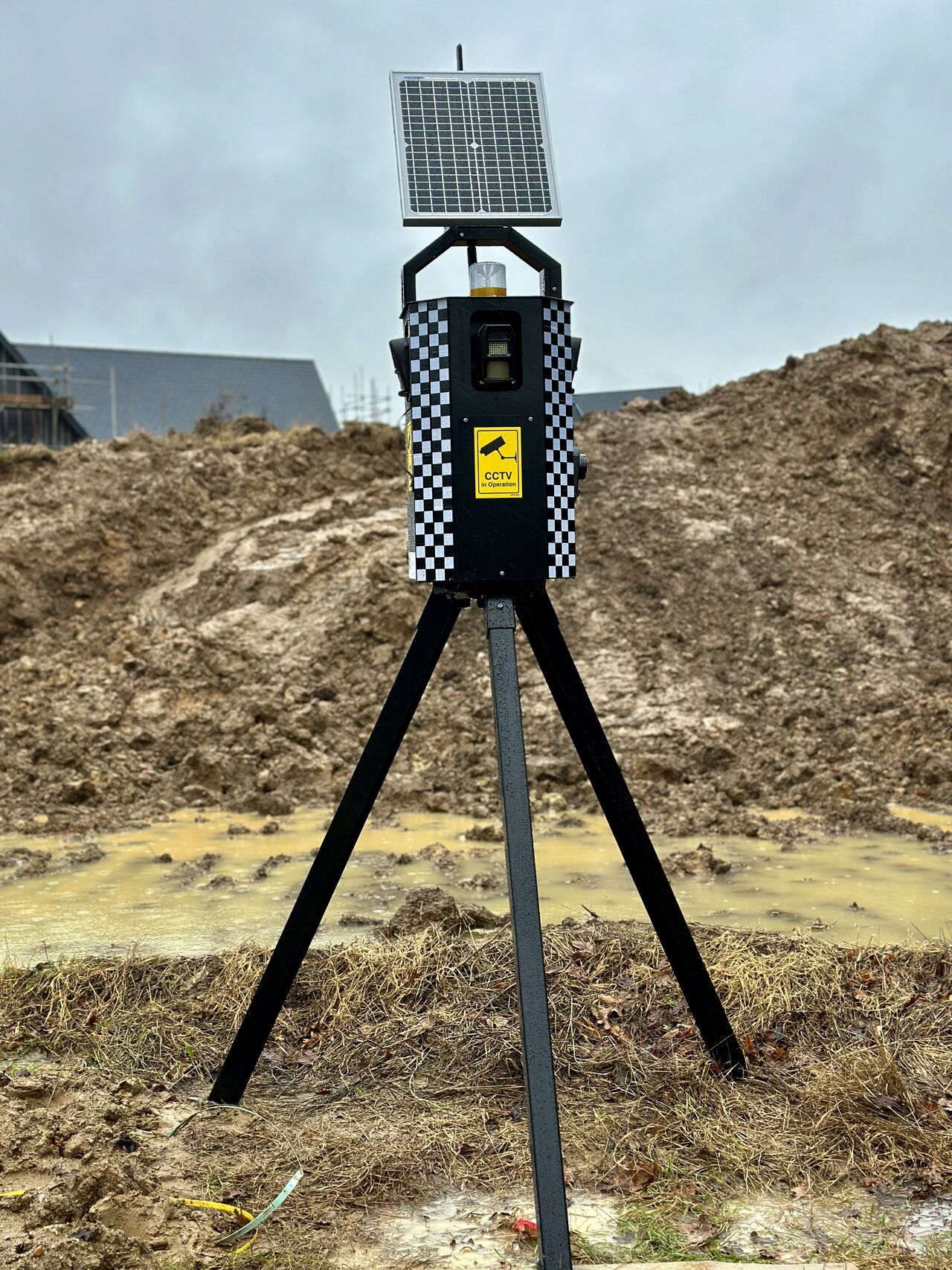
Wireless solutions are particularly suitable for sites without immediate power or LAN. They often replace kilometres of cabling. Many systems are energy-efficient and can be supplemented with solar to reduce maintenance visits. A main use case is temporary sites – such as construction sites or vacant buildings – because positions can be adjusted quickly without cable work.
Advantages
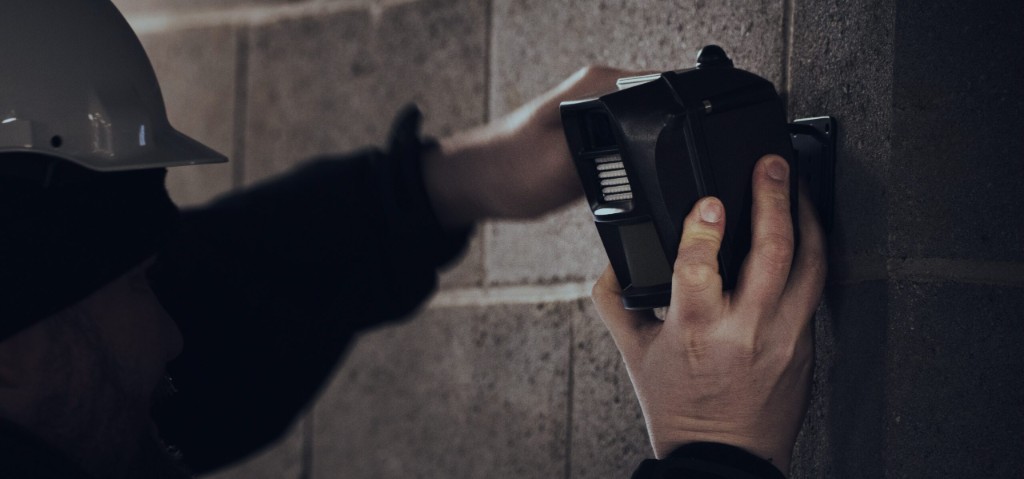
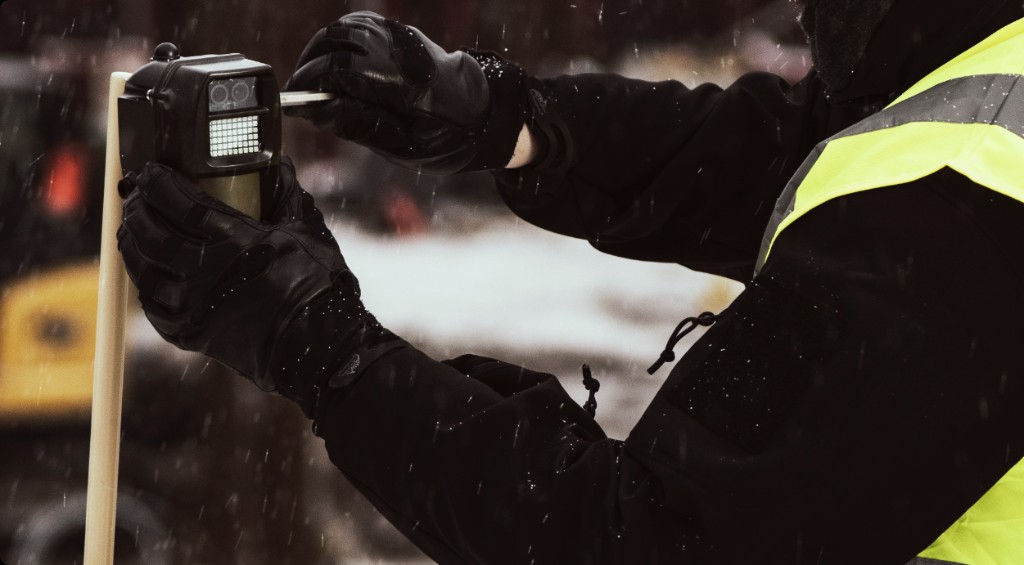
- Rapid installation with modest mounting effort
- Easier scaling up or down, or replanning
- High freedom of placement (provided radio/mobile conditions are suitable)
Disadvantages
- Dependence on batteries or weather when using solar
- Placement within range of a radio point or hub is required
- Larger data transfers can affect battery life
- Interference (e.g. dense Wi-Fi) can matter depending on the technology
Are wireless systems less reliable than wired ones?
With proper planning, wireless security chains are just as dependable as wired ones – but with different precautions.
Connection loss
Wireless systems fail when the mobile or radio link drops or when batteries are empty. Serious solutions report low charge and connection loss; installation should use sites with stable coverage. Wired systems are independent of radio dead zones, but can also fail in longer power cuts without a UPS.
Information security
Modern mobile-based offerings encrypt transmission; extra layers such as firewalls and connection monitoring are common. End devices should be hardened and secured per device. Analogue CCTV was hard to intercept without physical access to cables; IP-based (wired) cameras need the same careful network security as wireless endpoints.
Tampering and interference
Many outdoor devices report tampering (opening the housing, moving the unit). Radio is inherently susceptible to targeted jamming; professional antenna design, directional radio or channel reserve can reduce the risk. Wired IP cameras also sit in digital networks – VPNs, segmentation and current firmware protect against unauthorised access; mobile channels are, in practice, a different risk vector from open corporate Wi-Fi.
Self-contained outdoor solutions – typical features
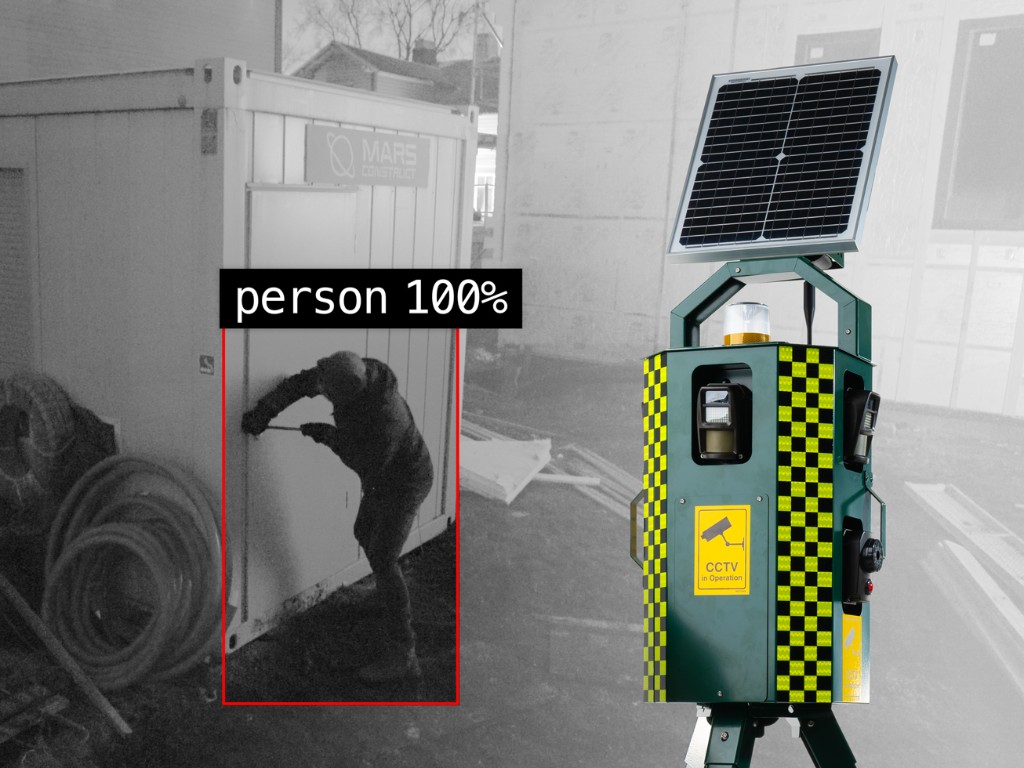
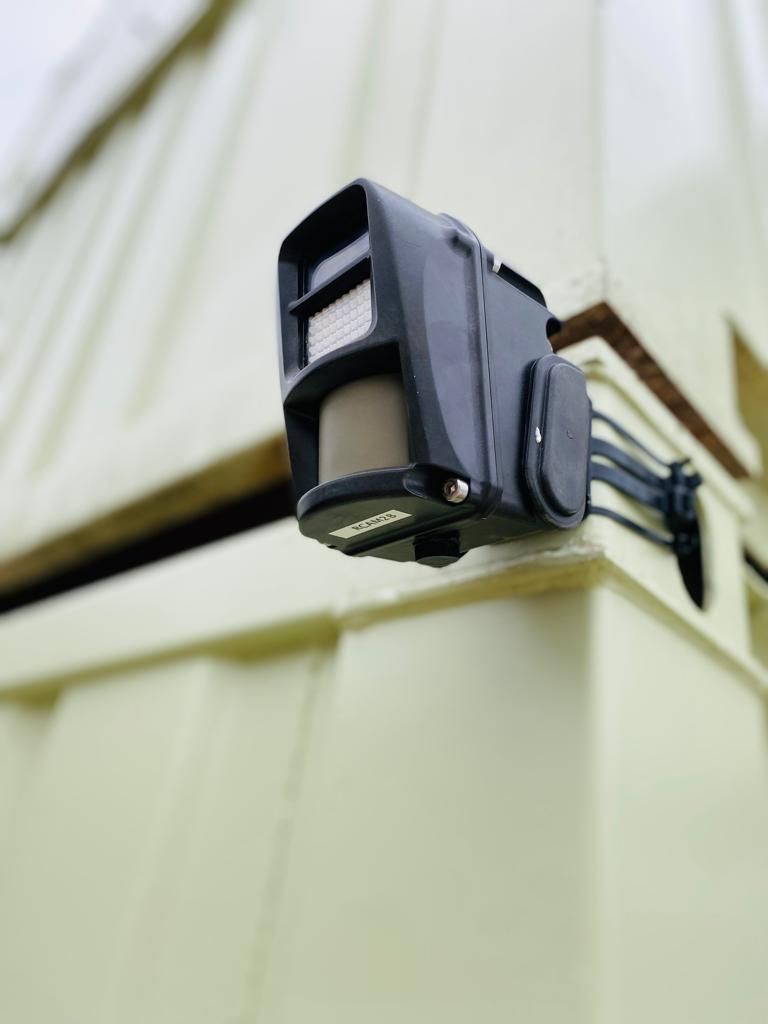
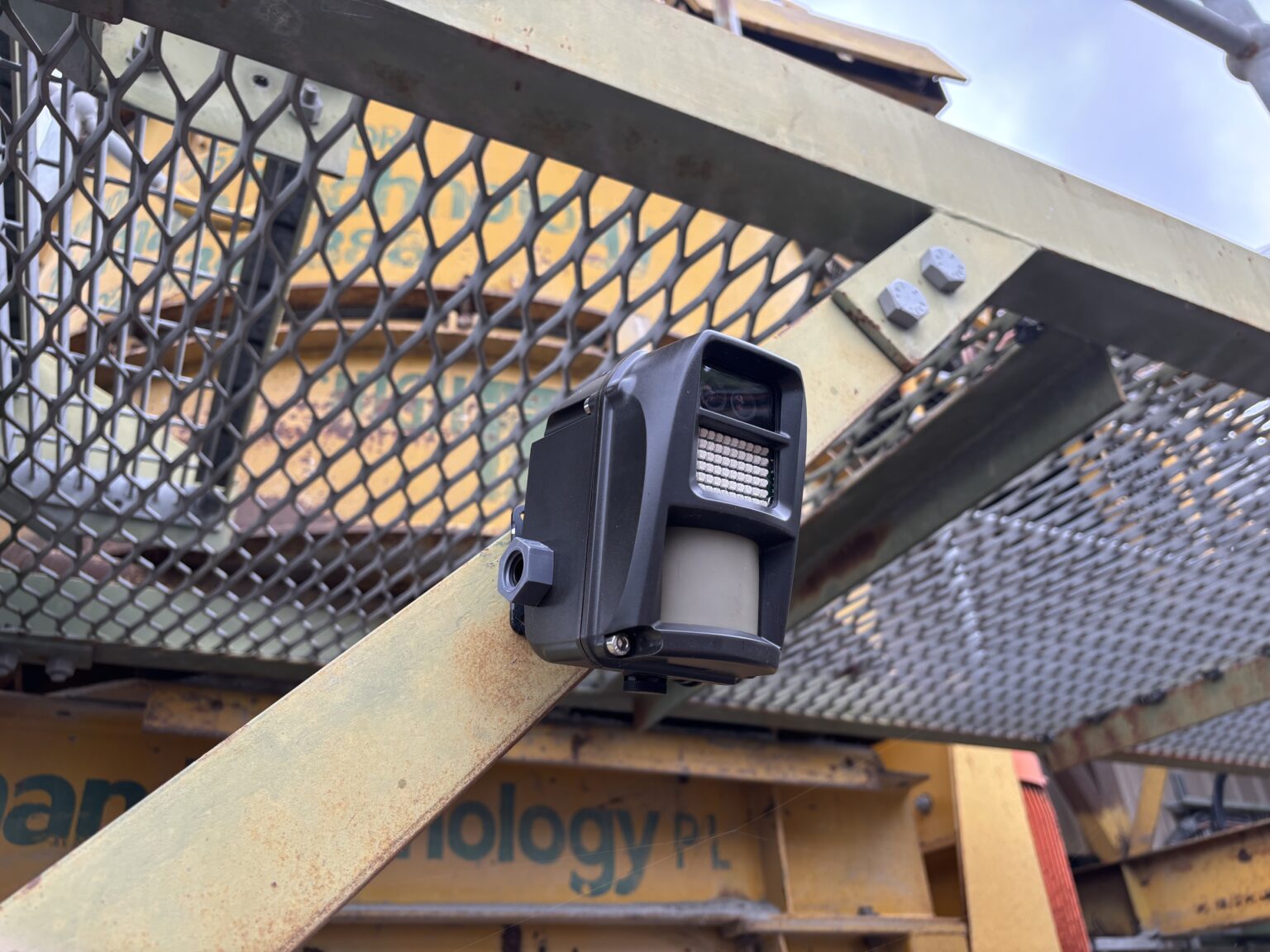
For remote outdoor sites without a permanent power or Wi-Fi connection, self-contained detection and image systems have proved themselves. Typical figures in this segment (depending on manufacturer and project):
- Battery life in the order of many months up to longer intervals
- Ingress protection often IP67 for harsh outdoor use
- High-resolution images
- Detection ranges around 35 m (~115 ft), depending on the detector
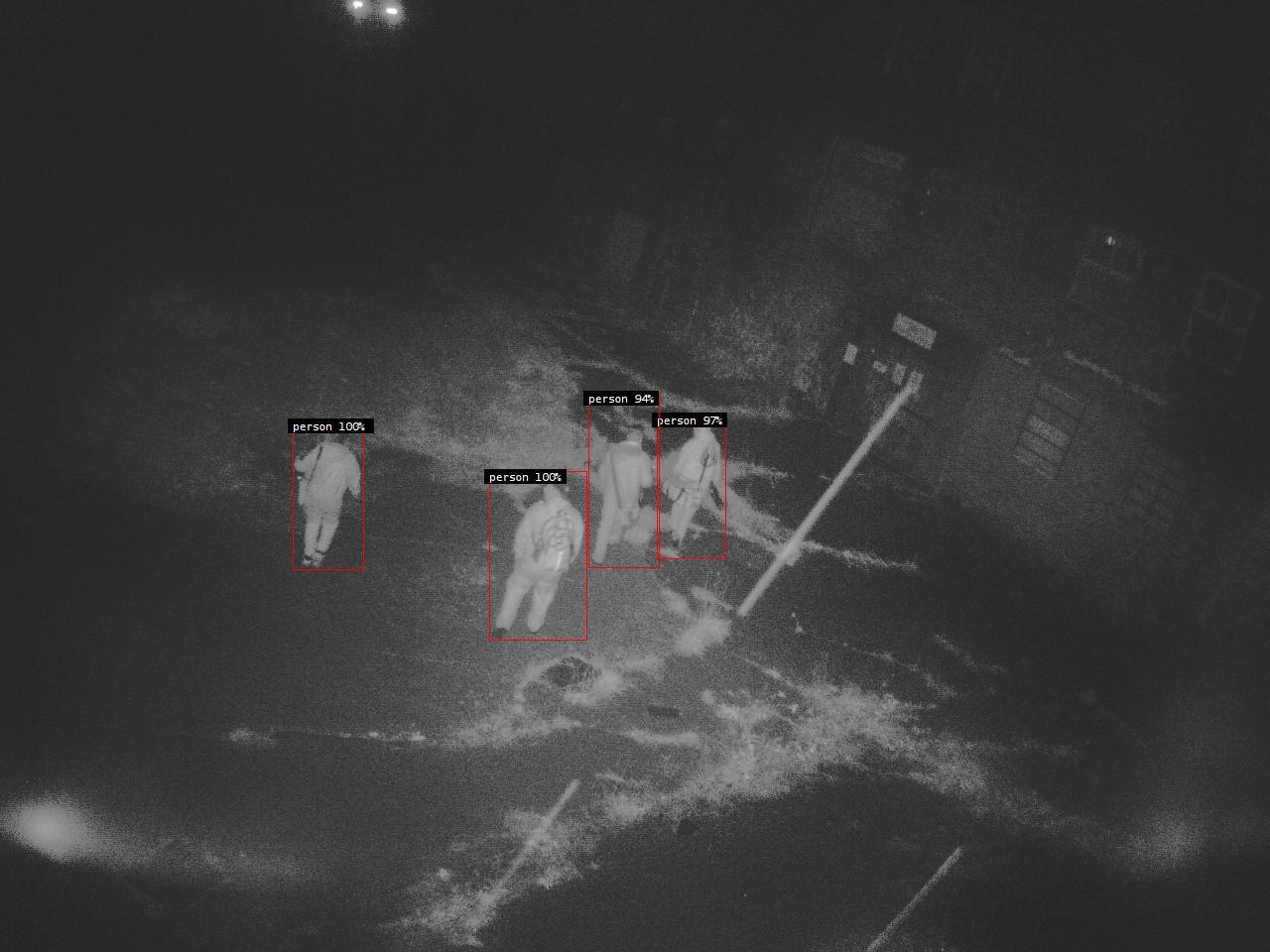
- Clear reduction of false alarms through AI – specific figures depend on configuration and surroundings
We clarify exact figures in your project with the integrator and manufacturer documentation.
More on implementation and the ARC: Self-contained video surveillance · Sentinel – self-contained site surveillance · Video monitoring

Discuss a Sentinel security solution?
We will advise you on planning, implementation and connection to our alarm receiving centre (ARC) – tailored to Sentinel – self-contained site surveillance.
- Address
- An der alten Ziegelei 36b
48157 Münster, Westf. - Telephone
- +49 (251) 952 039 00
- info@aegis-protect.de