Photo: Pexels / Алексей Гвоздев
Site perimeter monitoring: how to secure fences, access roads and yards on logistics and commercial sites
Sensor cables, AI cameras, camera towers and self-powered detectors: which technology suits which zone, what fences and lighting need to provide and how the alarm receiving centre responds to an alert.
Author: AEGIS Protect
The hall is secured. What about the yard?
In short: Site monitoring detects unauthorised entry at the fence, gate and open areas, has an alarm receiving centre verify the alert by image and then triggers a pre-agreed response. The right technology depends on site size, power, mobile coverage and operating hours.
Options include sensor cables on the fence, AI-assisted cameras, self-powered detectors, a mobile camera tower or a combination of these. What matters is less the individual device than the chain behind it: who sees the alert, who assesses it, and who goes out to the site?
What site monitoring covers
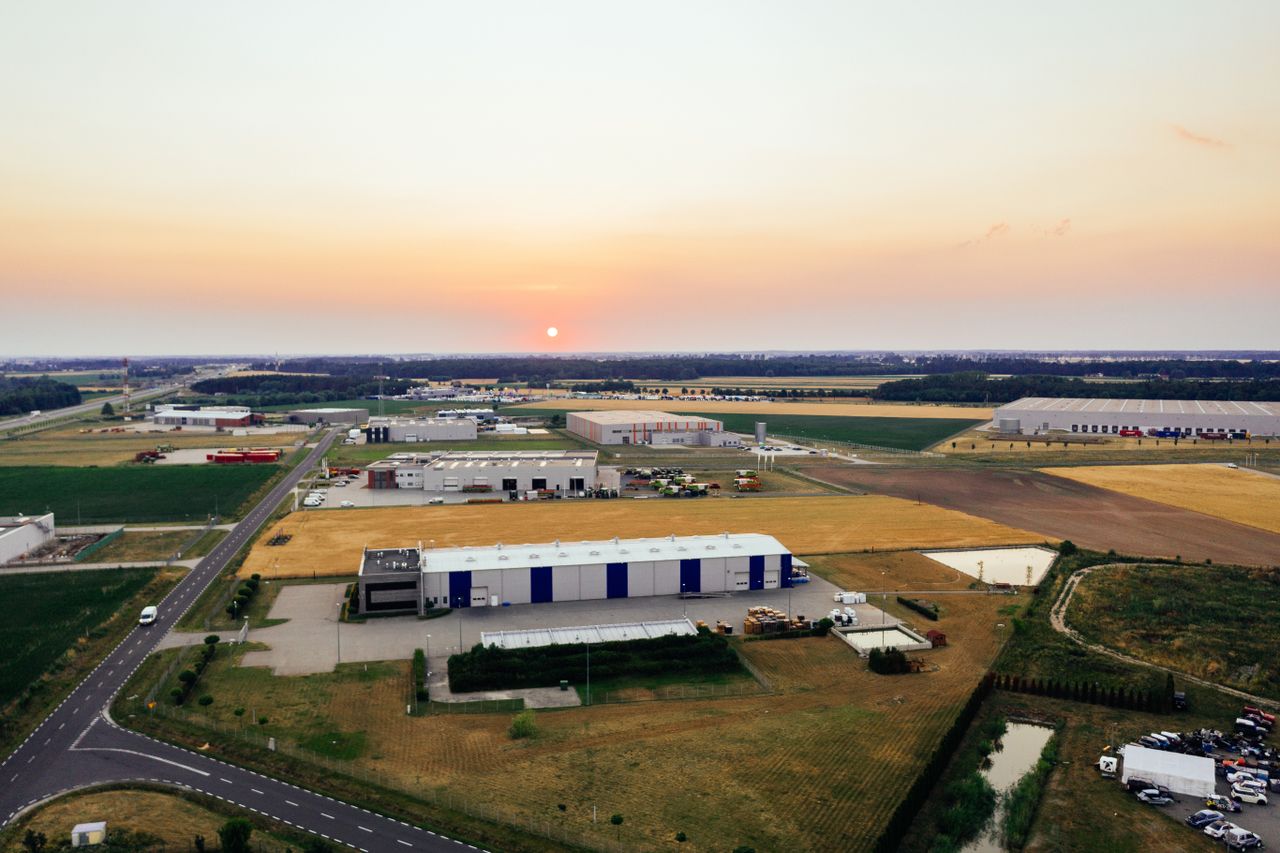
At logistics yards, storage areas, depots or industrial sites, the risk is often not inside the building but in front of it. The hall usually has an intrusion alarm system. The yard, outdoor storage, parked trailers and swap bodies, the fuel station or the container area, on the other hand, are often not connected to any detection technology.
It helps to divide the site into zones:
Outer boundary (perimeter): fence, wall or property line. An attempt should be noticed here as early as possible, before anyone is on the site.
Access road and gate: during the day many vehicles drive in and out. At night, every entry needs an explanation.
Open area and yard: parking spaces, outdoor storage, materials, vehicles and equipment.
Building: doors, gates and windows, usually covered by the existing intrusion alarm system.
Each zone raises a different question: should the technology only detect that someone is there, or does the alarm receiving centre also need to see what the person is doing?
The basics first: fence, lighting and clear lines of sight
Technology does not replace physical security. For commercial properties, the German police crime prevention programme (Polizeiliche Kriminalprävention der Länder und des Bundes) recommends enclosing the surrounding grounds with a fence where possible and designing the access so that it can be controlled and monitored (in German). For outdoor areas (in German), it advises avoiding confusing areas with large shadowy and dark zones and maintaining vegetation regularly, because lighting radii and sight lines can become overgrown over time. The police advice centres (in German) offer product-neutral security recommendations free of charge.
For surveillance technology this is more than a side issue. In the dark and behind hedges, a camera only sees what its lighting, its optics or a thermal image allow. Objects stored along the fence serve as climbing aids and block the field of view at the same time.
Which technology for which zone?
Sensor cable on the fence or in the ground
With perimeter detection, a fibre-optic sensor cable picks up vibrations along the site boundary. On the fence, it detects when someone cuts through, climbs over or lifts it. Where there is no clear fence line, the cable can be laid in the ground and report walking, crawling, digging or vehicle movement. The advantage: the alert names the location along the line, so the alarm receiving centre knows where to look. How we implement this is described on our page on perimeter detection on fences and in the ground.
A sensor cable does not provide an image, however. To assess an alert, the alarm receiving centre also needs a camera that shows the reported section.
AI cameras and thermal imaging at the yard and gate
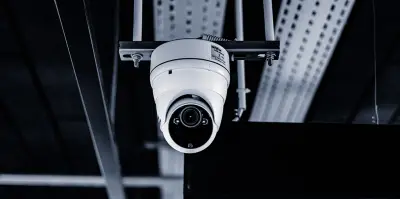
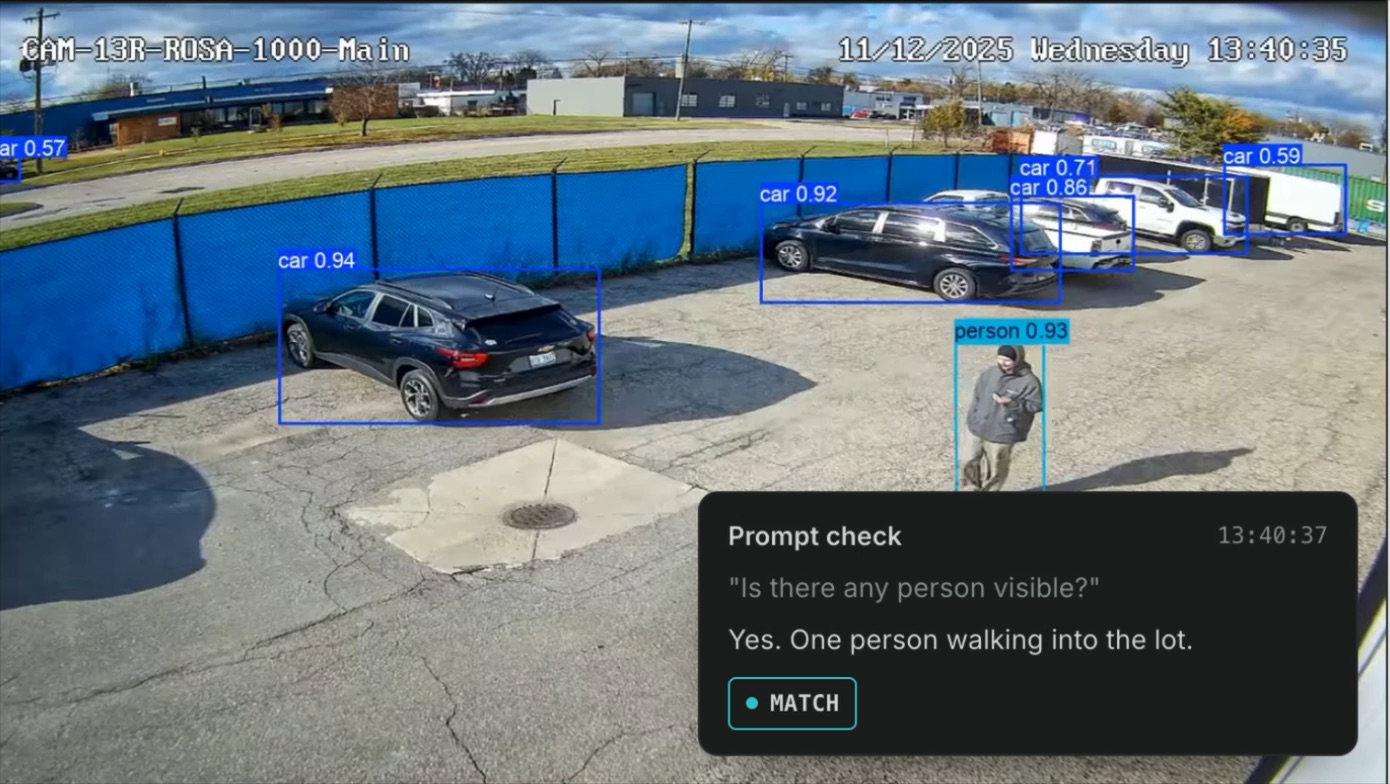
Conventional motion detectors react to any movement, including animals, weather and normal operations. With AI-assisted cameras, software assesses the image before an alarm reaches the alarm receiving centre: people and vehicles are separated from typical sources of interference. Thermal cameras highlight people even in low light. How this pre-check works with us is explained on the page AI analysis and detectors. One point remains important: a marker set by the software is not yet a call-out. The decision is made by a person in the alarm receiving centre.
If there are already cameras or an alarm system on site, there is no need to buy everything new. Existing equipment can often be connected to an alarm receiving centre and extended to cover the yard.
Camera tower for large areas and access roads
A mobile camera tower carries cameras, lighting, a loudspeaker and its own power supply on a mast. It plays to its strengths when a large yard, outdoor storage or an access road needs to be overseen from above, and when monitoring is needed for a limited period, for example until a permanent system is installed. Among other things, our towers detect when someone crosses a defined line or zone, lingers too long at a gate or when a vehicle drives across the site. If you want to hire a camera tower for your yard, access road or storage area, you will find the variants for yards, gates and entire sites there, plus a solution for locations where a trailer does not fit.
The loudspeaker on the tower is a building block of its own: the alarm receiving centre can address a person on site directly.
Self-powered detectors for individual points without power
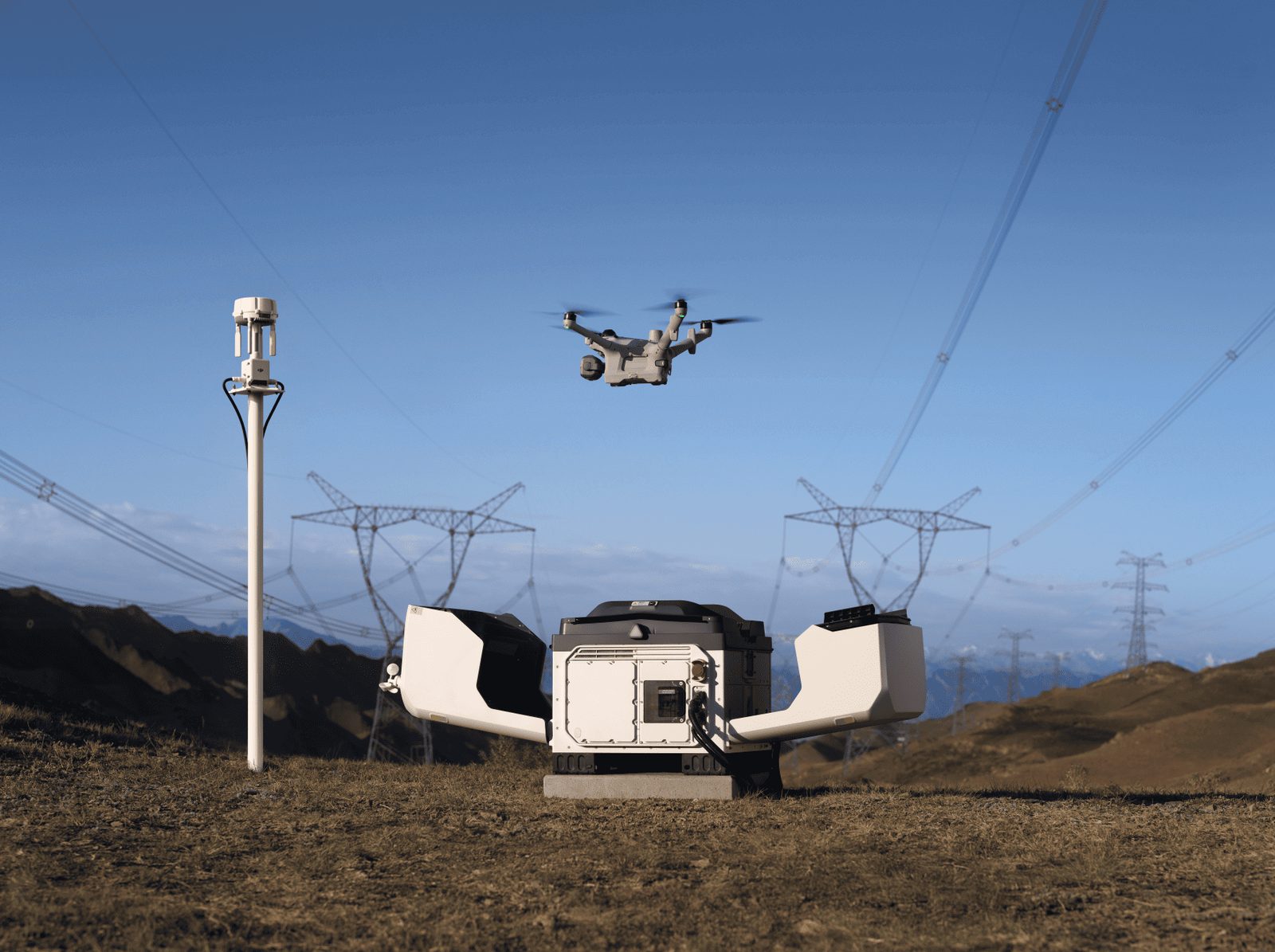
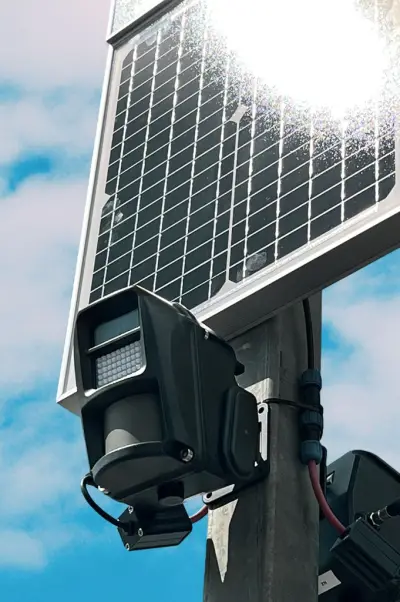
Not every risk point needs a tower. A parked trailer, a container with tools, a diesel tank or a rear gate at the far end of the site can be secured with battery-powered detectors without a power or network connection. They combine motion detection, a camera and lighting and transmit the event and image to the alarm receiving centre via mobile network. The devices can be moved when the use of the yard changes.
Sentinel as an additional solution for larger open areas
For larger open areas or frequently changing zones, we additionally use the self-powered site monitoring system Sentinel. The mobile platform combines several detectors, communication and deterrence and works without a power or internet connection.
These building blocks are not mutually exclusive. A typical setup is a combination, for example a sensor cable on the fence, a camera tower at the access road and self-powered detectors on trailers and containers. What matters is that all alerts are assessed in the same alarm receiving centre according to the same logic.
Logistics, storage, industry: what operations change
A logistics yard sees constant traffic during the day and is empty at night. For planning, this means:
Arming times: monitoring must match gate times and the shift schedule. What is normal operation at 2 pm is an alarm at 2 am.
Authorised persons: night deliveries, drivers, cleaning, maintenance or plant security must be known to the alarm receiving centre so that they are not treated as intruders.
Drivers staying overnight in the yard: if lorries with drivers stay on site overnight, these areas need to be excluded or the detection zones adjusted.
Changing areas: seasonal goods, stocktaking or construction work in the yard change what is where. The technology has to adapt.
How we combine on-site security, video and patrols on logistics sites is shown on our logistics industry page.
Transmission is another point. Camera towers and self-powered systems usually send data via the mobile network. Reception should be tested where the equipment will actually stand, and a loss of connection should be treated as a separate alert to the alarm receiving centre.
What happens when an alarm is triggered
When a sensor or camera detects an event, the alert is sent to the alarm receiving centre with its location and, where available, an image. There it is assessed first: can a person or vehicle be seen? Do they belong to the registered persons? Is the alert in an area that is currently armed?
If the suspicion is confirmed, the alarm receiving centre follows the agreed action plan. It can address the person via the loudspeaker on the camera tower, inform the operator's contact person and send a response officer to the site. The police are called if there are signs of a criminal offence or a danger. Time, assessment and action are documented. Our article Alarm monitoring: what happens when the alarm goes off? explains the process in detail; what response officers are allowed to do on site is covered in Intervention service: who responds to an alarm and what are they allowed to do?
For this to work at night, the alarm receiving centre needs a site plan with zones, access points and equipment locations, contact persons who can be reached every night and information on how a response officer gets onto the site.
An example from practice
Our case study on temporary video surveillance of a critical infrastructure construction site shows how an outdoor area can be monitored over a long period with mobile technology that moves along with the work. There, self-powered Sentinel units secure changing construction areas without power or internet connections and are connected to our alarm receiving centre. On a logistics or industrial site the questions are the same: which areas are critical, where are power and network available, and who responds to an alert?
Checklist before planning
Which zones should be monitored: perimeter, access road, yard, outdoor storage or individual objects such as trailers, containers and tanks?
Are the fence, gates and lighting in a condition the technology can build on? Are there climbing aids or overgrown areas?
Are power and a data connection available at the planned locations, or is self-powered technology needed? Has mobile reception been tested on site?
Should the technology only detect, or does the alarm receiving centre also need to see an image?
Are there already cameras or an alarm system that can be connected?
Have arming times, authorised persons and drivers staying overnight been defined and communicated to the alarm receiving centre?
Is the action plan in place: who is informed, how does a response officer get onto the site, who can be reached at night?
Are the fields of view limited to your own site, have employees been informed and are signs planned at the access points?
Is monitoring permanent or temporary, and who adapts it when the site changes?
Conclusion
Site monitoring makes sense when it fits the zones, times and procedures of the location. A sensor cable reports early and with a location, a camera provides the image, a camera tower offers an overview and the ability to address people, and self-powered detectors close gaps where there is no connection. Only the alarm receiving centre with a clear action plan turns this into a response. If you want to secure a site, we will be happy to discuss which combination suits you: get in touch.

Critical infrastructure, business and private clients.
We find solutions.
Welcome to AEGIS Protect, your reliable partner for comprehensive protection and security. Our goal is to give you a safe environment where you can feel relaxed and protected. With years of experience, modern technology and a team of professional security specialists, we meet your security needs reliably and efficiently. Count on us for round-the-clock protection wherever you need it.