Self-Sufficient: Security as a stand-alone solution 

AI evaluation

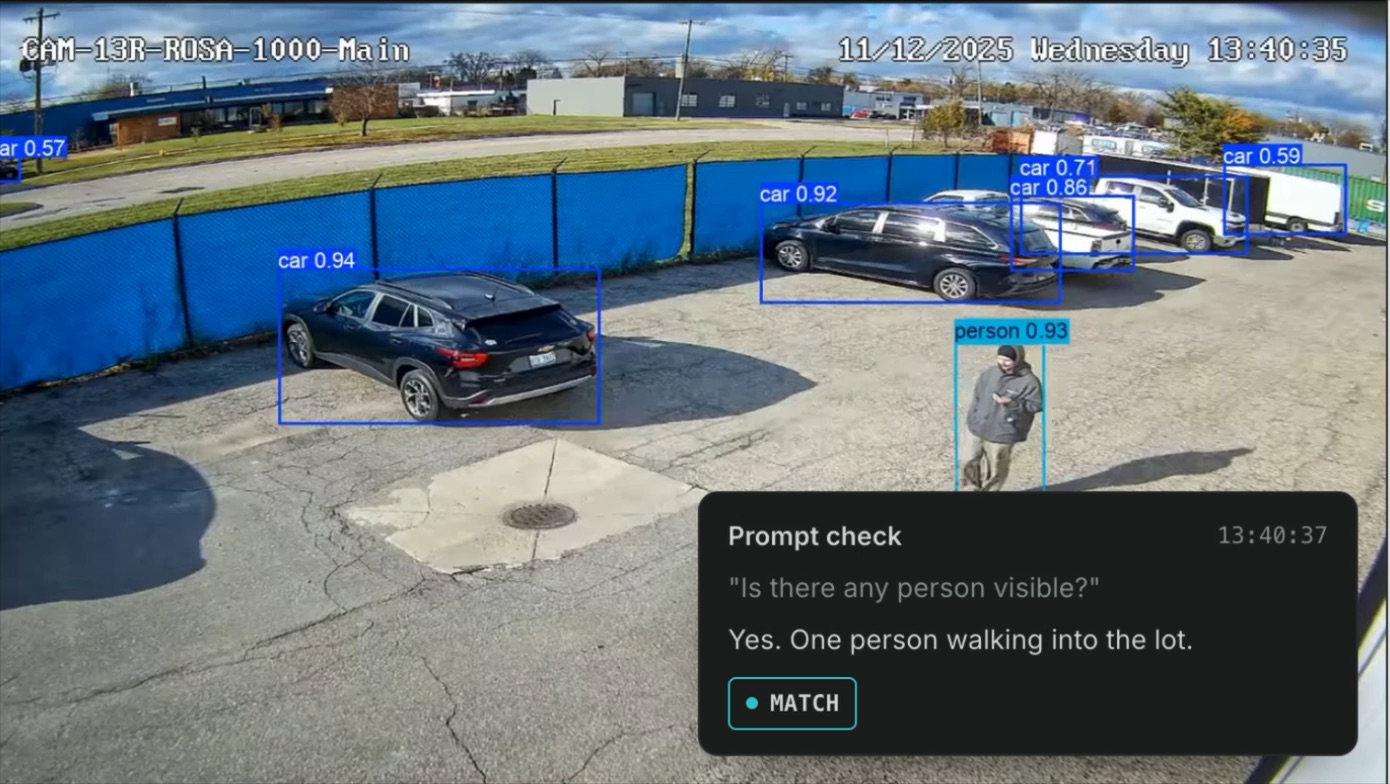
AI checks the picture before the control centre is alerted

In the detectors and in the video evaluation. People and vehicles are separated from wildlife and other disturbances. The control centre sees the relevant event.

Motion on its own is not yet an event.

A sensor that reacts to every motion sends wildlife, weather and operations to the control centre. AI assesses the picture first.

Every motion becomes an alarm

Wildlife, weather and operations trigger motion. Without a picture check someone drives out without cause.

Solution

The evaluation first

AI separates people and vehicles from typical disturbances before the control centre is alerted.
Too many pictures

Several cameras overnight produce hours of material. Nobody sees all of it live.

Solution

Only relevant events

Thermal imaging and AI mark people and events. The control centre checks those pictures.

Detector and camera apart

A sensor sits on the fence, a camera on the hall. Two reports, no shared check.

Solution

One evaluation

Detectors on site and fixed cameras run through the same assessment into the control centre.

The same evaluation. Two paths.

The detectors evaluate on site. Cameras and thermal imaging go through the same check. The control centre sees the event, not every motion.

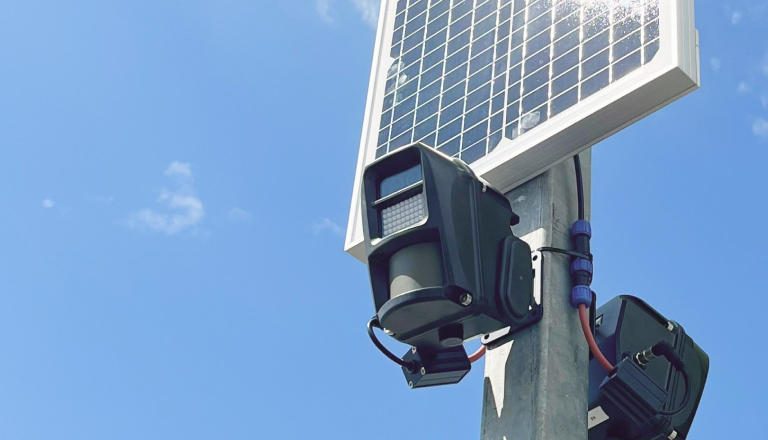
Self-contained detector with a solar panel on a mast

Detectors

The detectors pick up people and vehicles at the point and separate them from animals and other disturbances. Only a picture that the evaluation classes as a relevant event goes on.

  • People
  • Vehicles
  • On site

AI evaluation

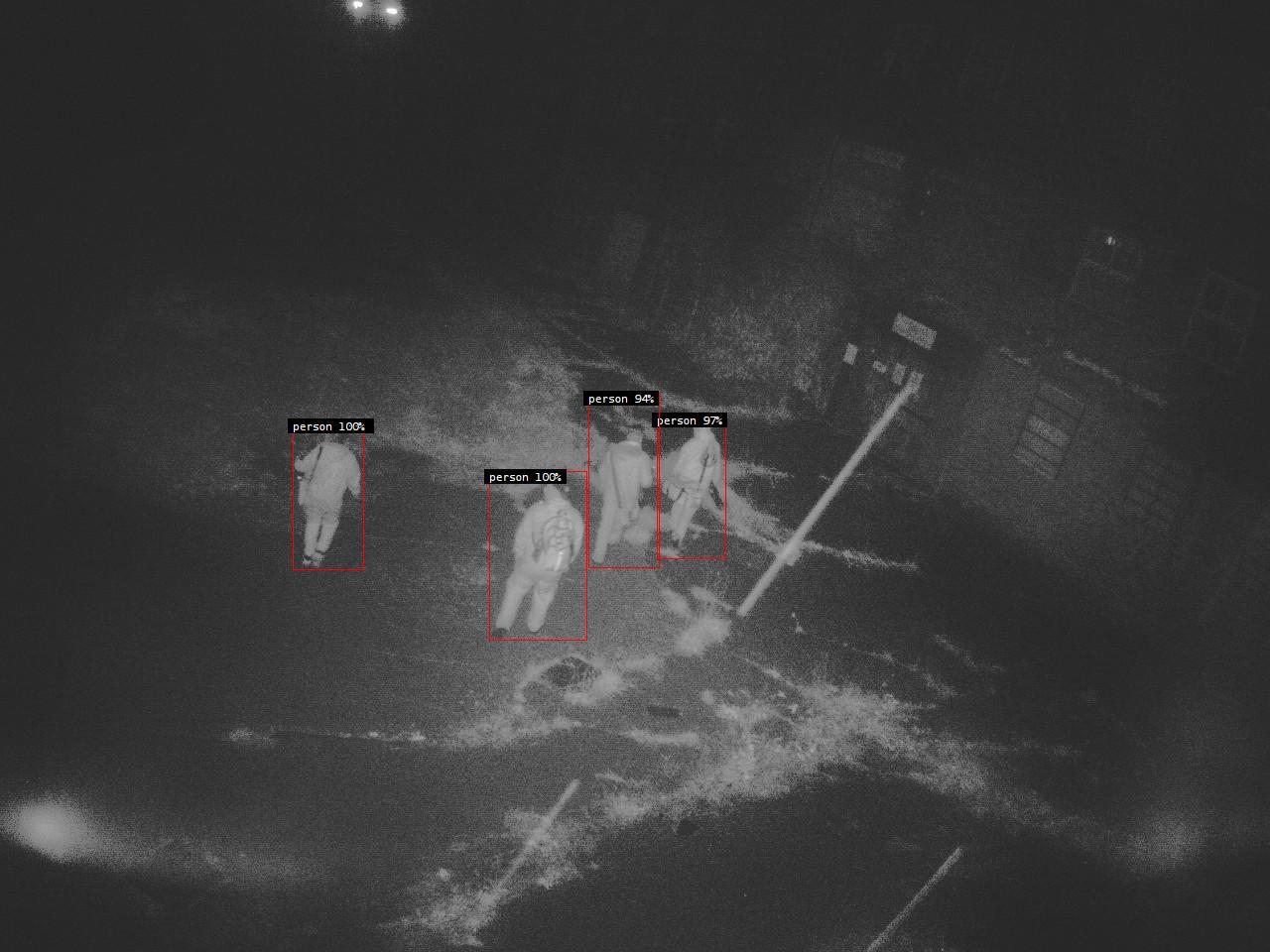
Thermal and camera pictures are evaluated before anyone has to look through the material. The mark shows people and events. The check stays in the control centre.

  • Thermal
  • Camera picture
  • Control centre
AI video verification

Before the control centre

AI separates people and vehicles from typical disturbances before an alarm arrives.

Detector and camera

The same logic, whether the unit sits off-grid at the point or a fixed camera is evaluated.

No automation

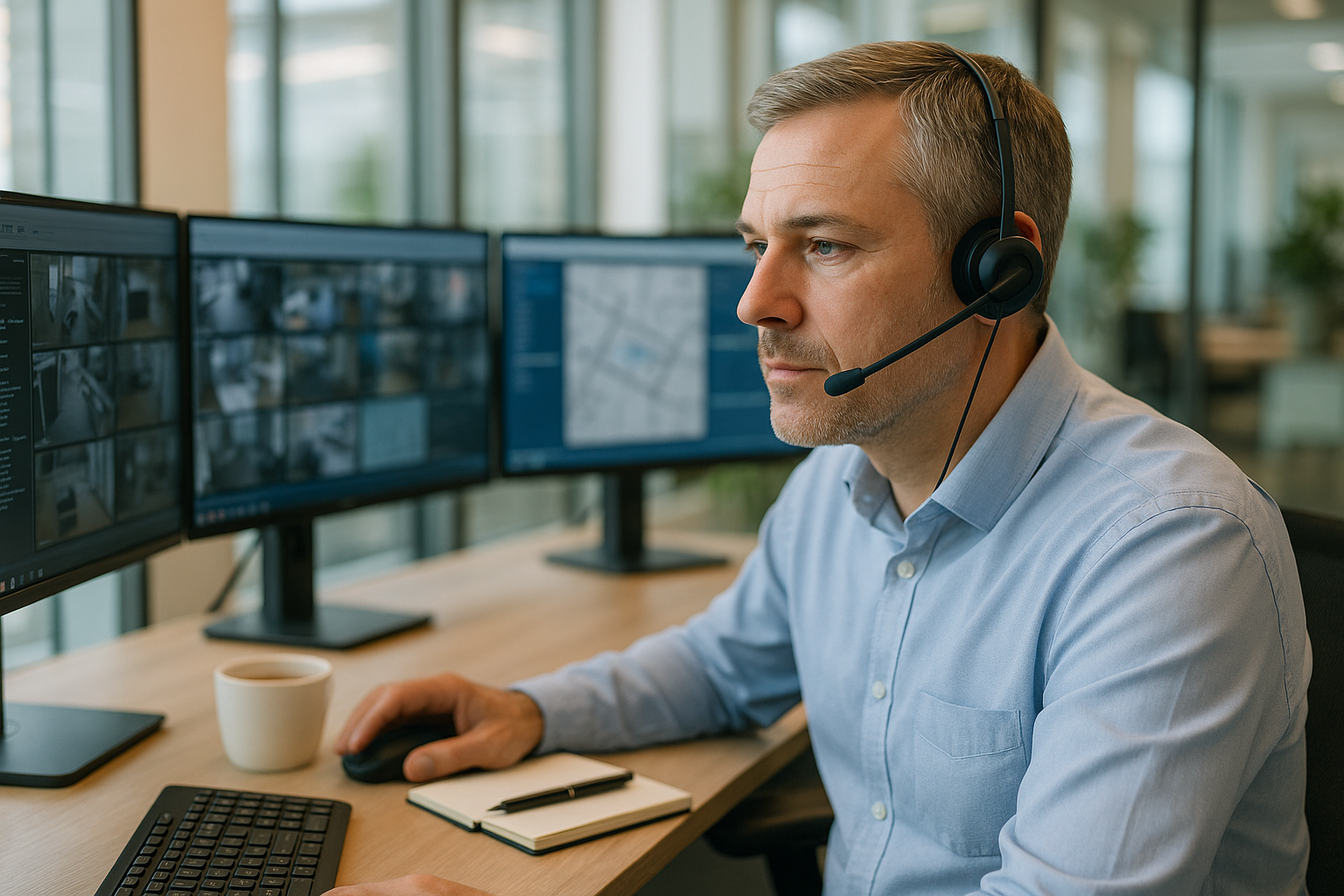
A mark does not start a drive-out. Someone in the control centre looks at the picture.

Fewer false alarms. More relevant events.

Classic motion sensors react to motion first. Here AI assesses the picture before an alarm reaches the control centre: people and vehicles are separated from typical disturbances such as animals. The pre-check cuts false alarms by about 95 percent compared with a pure motion trigger.

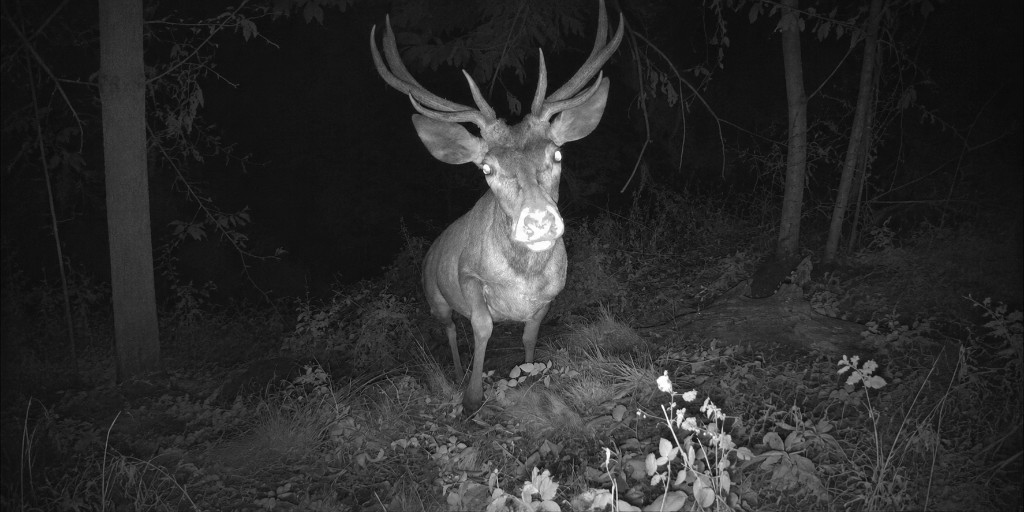
Deer in the camera picture, classed by AI as no relevant event
No relevant event
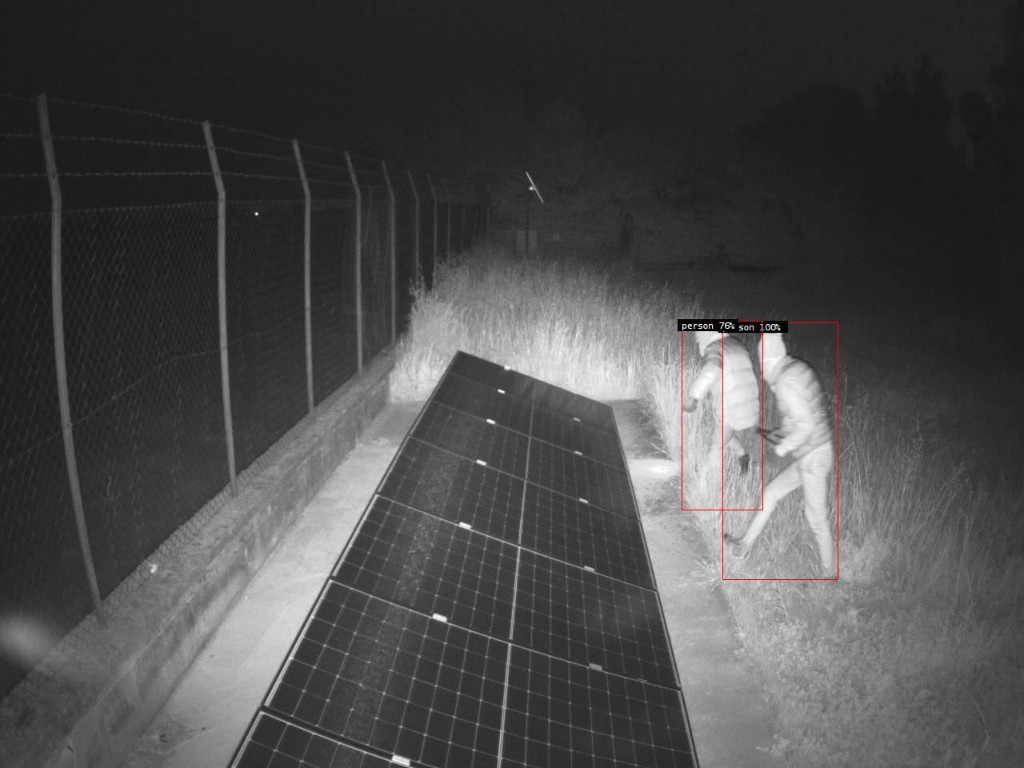
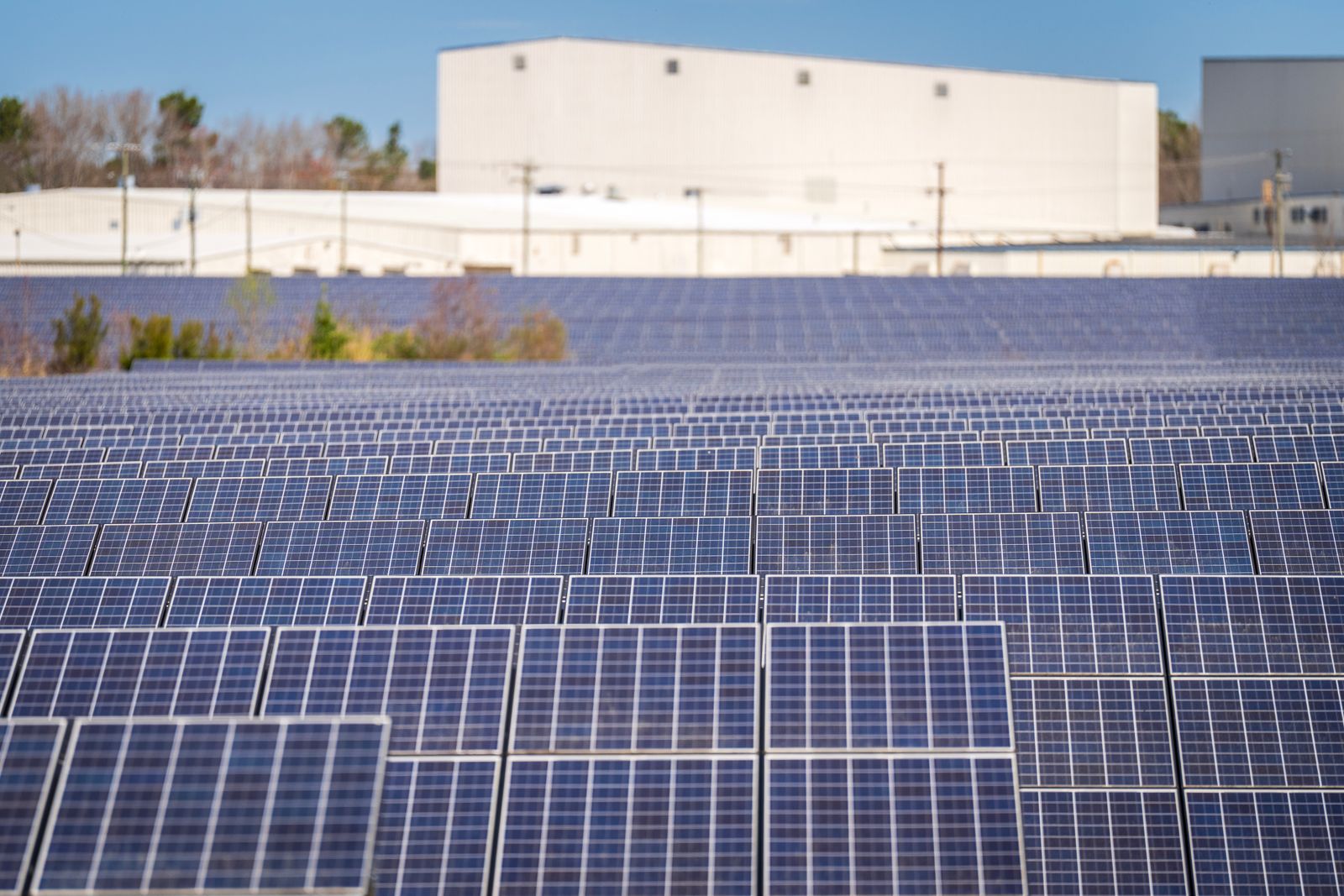
People at a solar plant, detected by AI
Person detected

Which picture should the AI check?

Name the site, whether detectors or cameras are already there, and who should check the picture. We propose the evaluation and the response.

One building block, not a fulfilled duty

The AI evaluation marks people and events, in the detectors and on the camera pictures. The check stays with a person in the control centre.

Video at a site needs a legal basis. The operator sets that, not this page.

The service does not fulfil a statutory critical-infrastructure duty and is not evidence towards an authority.

Which camera is evaluated, and how, is in the concept. A mark is not an automatic intervention.

About the KRITIS umbrella act

Common questions

What does the AI assess?

The picture from the detectors and from the cameras. People and vehicles are separated from typical disturbances such as animals before the alarm reaches the control centre.

How many false alarms remain?

Compared with a pure motion trigger, the picture check means about 95 percent fewer false alarms. What remains at a single site depends on the area and the operation.

Does the evaluation act on its own?

No. A mark does not start a drive-out or an emergency call. That follows the check in the control centre and the plan.

Where is ordinary video surveillance?

Fixed video surveillance has its own page under security technology. This page is for the AI evaluation, in the detectors and on the camera pictures.

Does this work without a mains connection?

Yes. The detectors of the off-grid video surveillance evaluate on site when the mobile network at the site is sufficient. We check that on site.

Detection is the start. The response decides.

An evaluation helps only when it is clear who checks the picture and who acts afterwards.

  1. 01

    Detection

    A detector or a camera captures people, vehicles and other motion in the picture.

  2. 02

    Verification

    AI separates relevant events from disturbances. The control centre checks the picture before a response starts.

  3. 03

    Intervention

    Contact, patrol or police – only as agreed in the plan.

  4. 04

    Documentation

    Picture reference, time and the chosen measure are recorded.

Request AI evaluation

Site, existing detectors or cameras, the check you want. We will come back with a proposal.

Address
An der alten Ziegelei 36b
48157 Münster, Westf.
Telephone
+49 251 952 039 00

By submitting this form I agree to the storage and processing of my data by AEGIS Protect GmbH and the Privacy policy I may withdraw consent at any time in writing.

*: required fields

This site is protected by reCAPTCHA. The Google Privacy policy and Terms of Service apply.