
Detection that comes too late
Fixed patrol intervals can miss events that happen between two checks.
Solution
Early detection
Sensors and cameras report approaches at the site boundary before sensitive parts of the plant are reached.
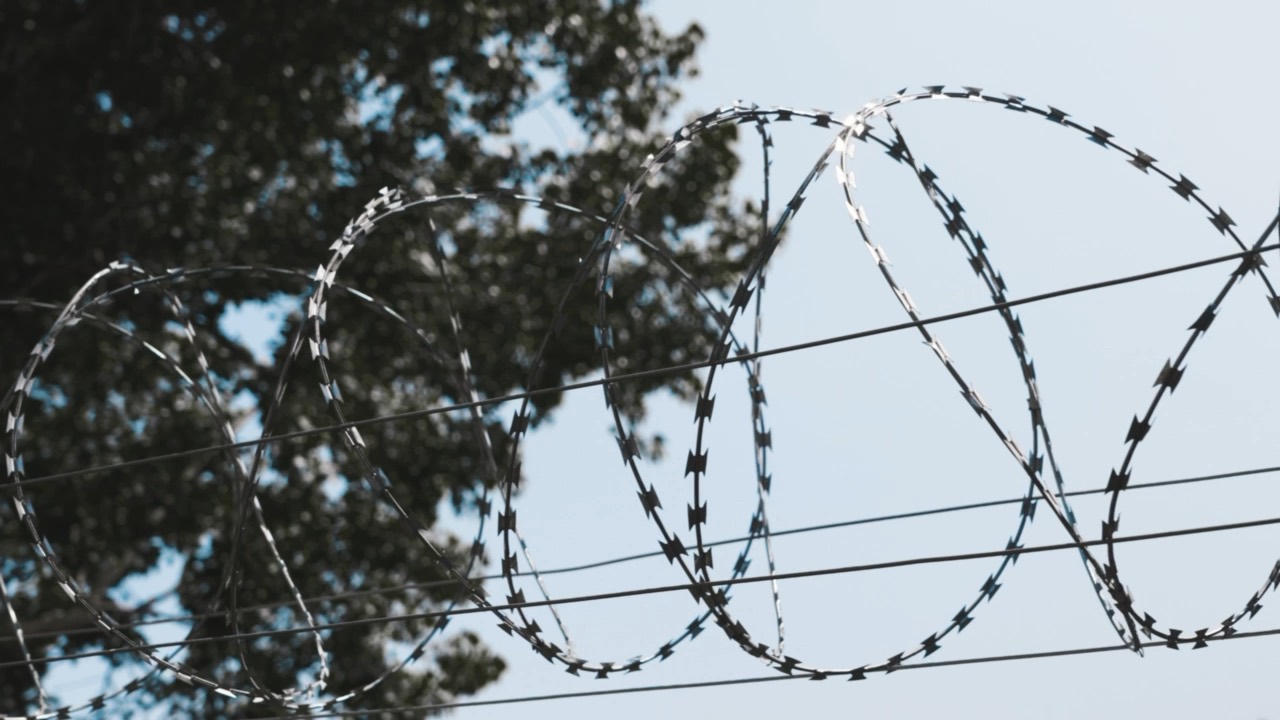
Physical security for critical infrastructure
Detect unauthorised approaches and intrusion attempts early. We connect intelligent outdoor monitoring with alarm verification, defined intervention paths and digital event documentation.
Large sites, changing construction phases and few fixed checkpoints make it hard to see every approach in person. Perimeter detection covers the time between two checks – provided it is clear who reviews the alarm and who acts.
Fixed patrol intervals can miss events that happen between two checks.
Solution
Sensors and cameras report approaches at the site boundary before sensitive parts of the plant are reached.
Without a defined response, it stays unclear who reviews a signal and who acts.
Solution
Incoming signals are reviewed, prioritised and matched to an agreed response plan.
Wide outdoor areas and remote plants make continuous control difficult.
Solution
Time, assessment and the measure taken stay on record, even when the site is not permanently staffed.
A fibre-optic cable picks up vibration along the site boundary. Processing separates typical disturbance from an intrusion attempt. The alarm, with a location, enters review, intervention and documentation.
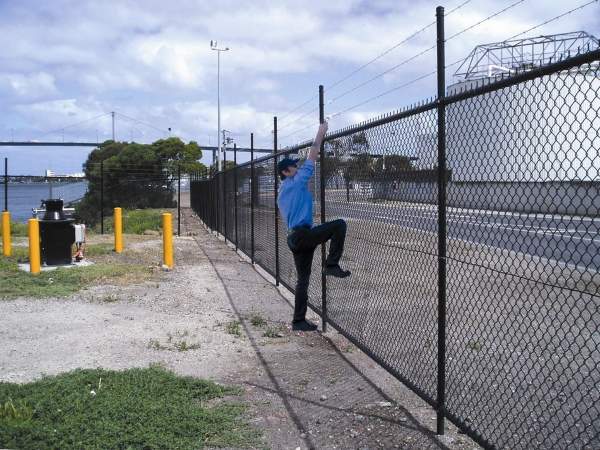
The cable runs on common fence types. It detects cutting, climbing and lifting, and names the point along the line.
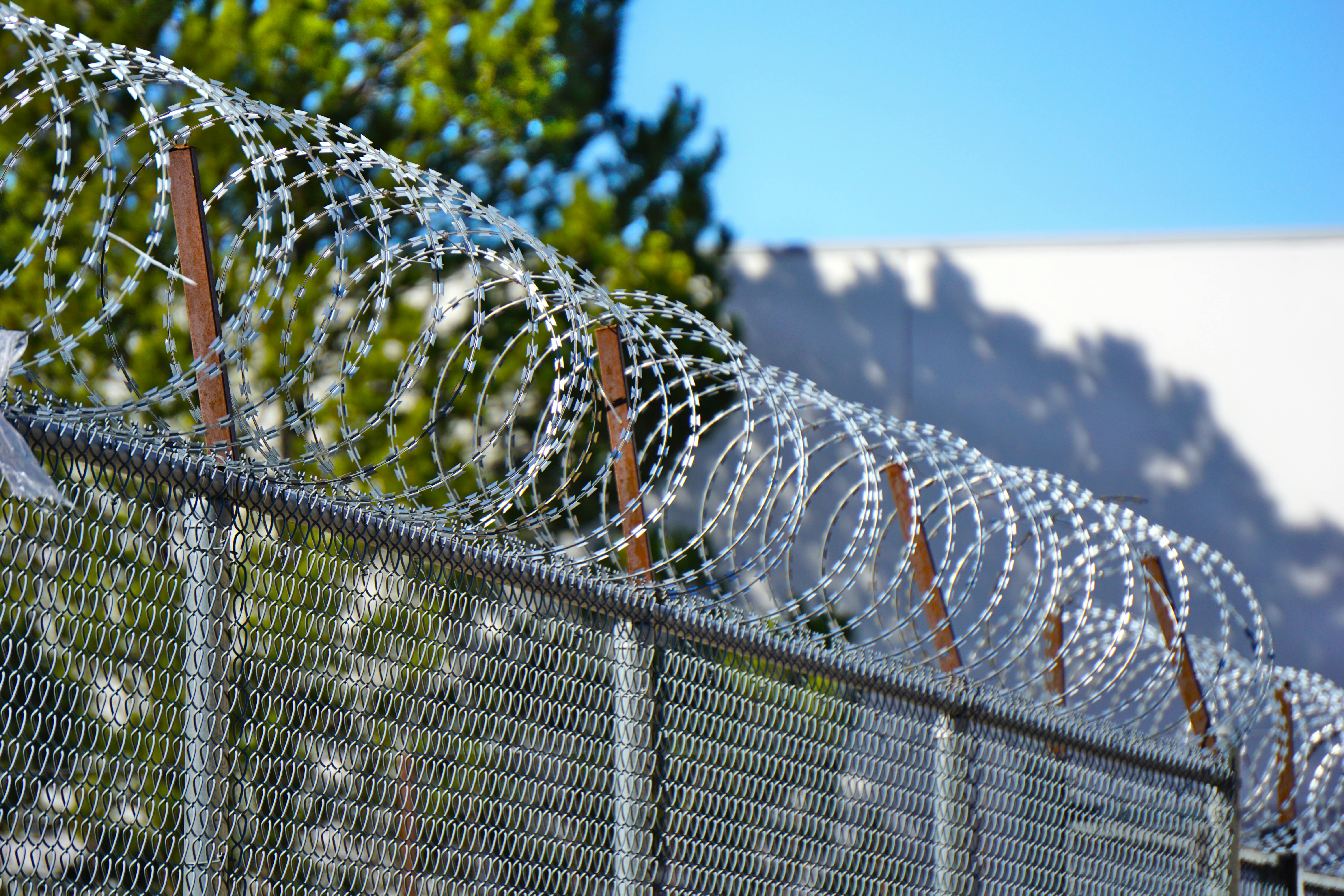
Where there is no clear fence line, the cable is buried. The pattern follows the area. It detects walking, crawling, digging and vehicle movement.
The alert comes at the boundary, before sensitive parts of the plant are reached.
The control centre sees where along the line the event sits and reviews that point.
Wind, rain and animals are damped in signal processing, without lowering sensitivity across the board.
Whether a remote energy site or a complex industrial plant: we develop a suitable approach with you for detection, alarm handling and intervention.
What fits on site depends on the area, on whether power and a network are there, and on who acts after an alarm.
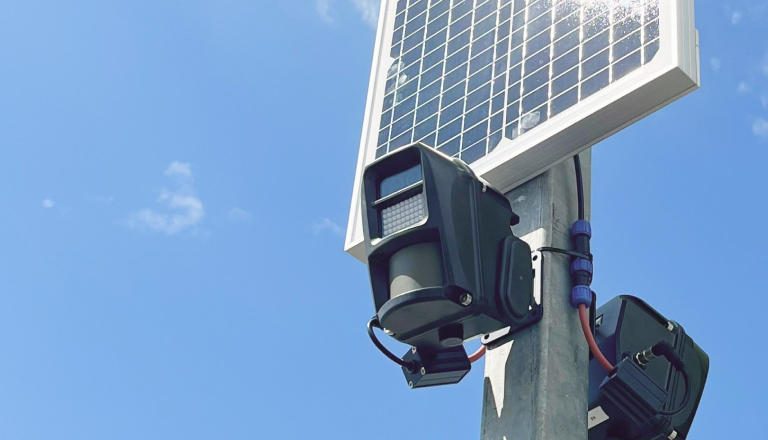
Monitoring of outdoor areas even without a fixed mains or network connection.
Learn more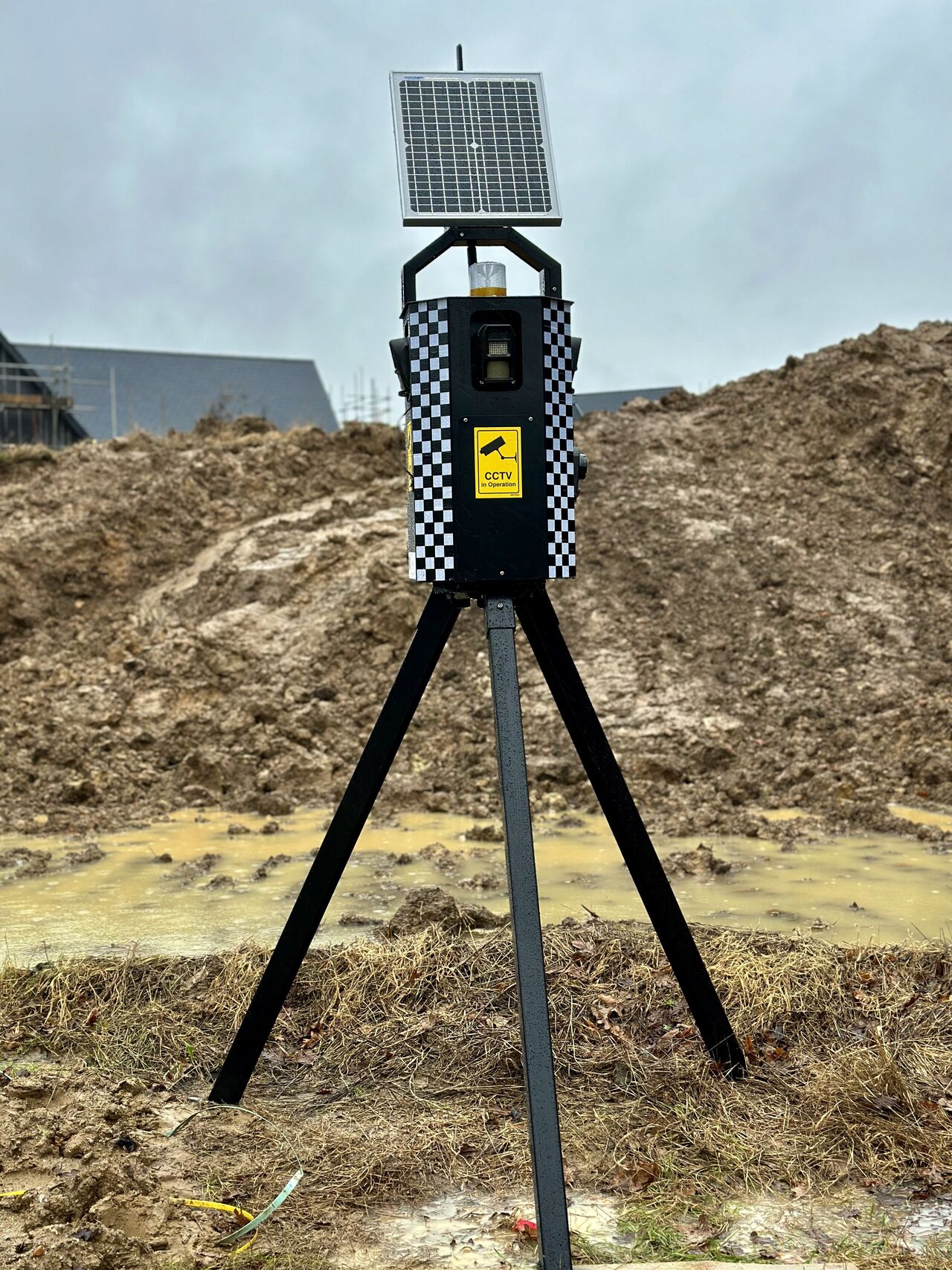
Temporary units for construction and transition phases, fixed technology for ongoing operation.
Learn more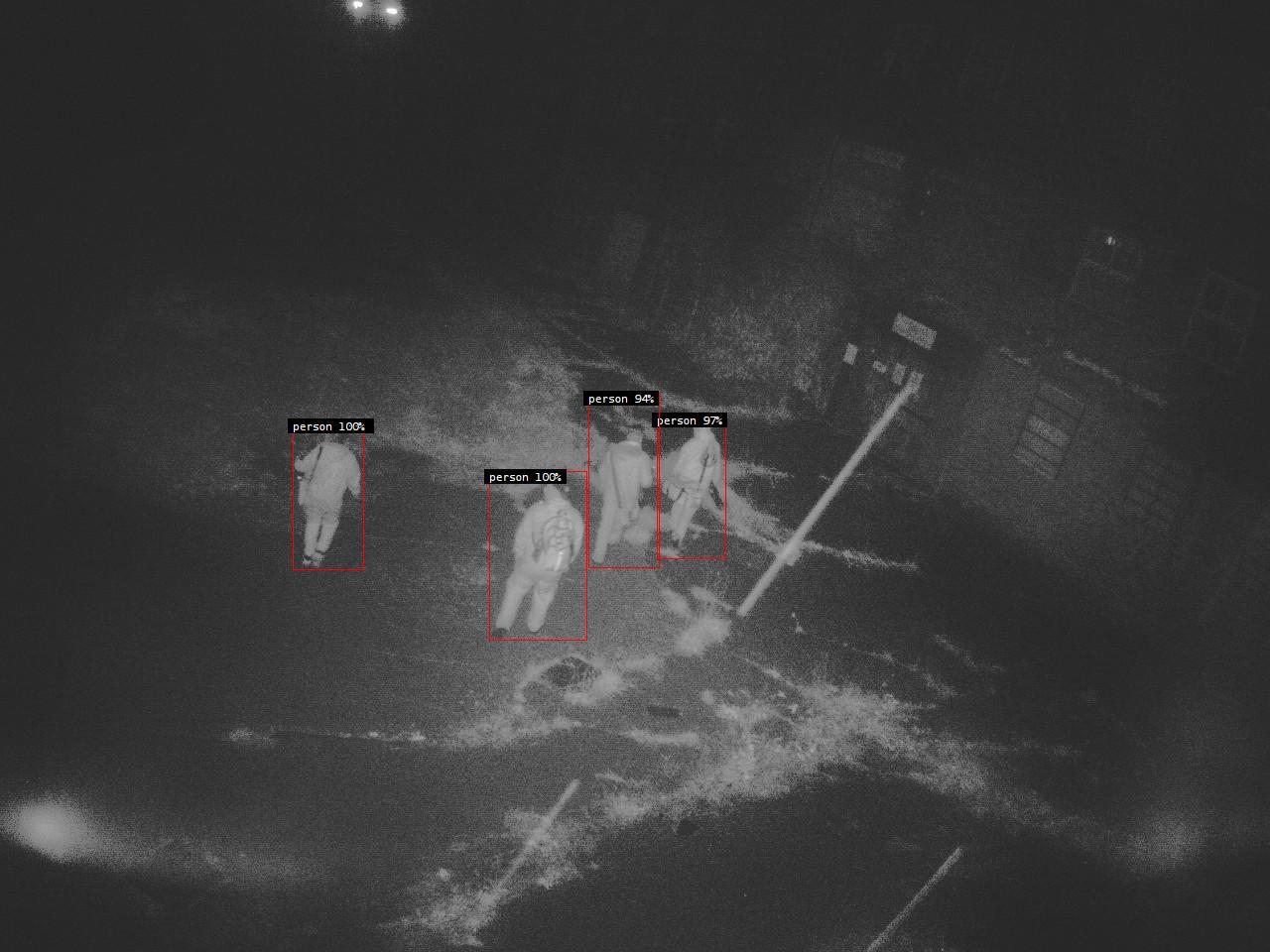
Image review of incoming events, where the connected system allows it.
Learn more
Receiving and handling of signals in the alarm receiving centre.
Learn more
Alarm follow-up and on-site response according to the action plan agreed with you.
Learn more
Times, signals and the measures taken remain recorded and traceable.
Learn moreNot every one of these sites is automatically a legally regulated critical installation. What matters is the specific risk at the outer boundary.
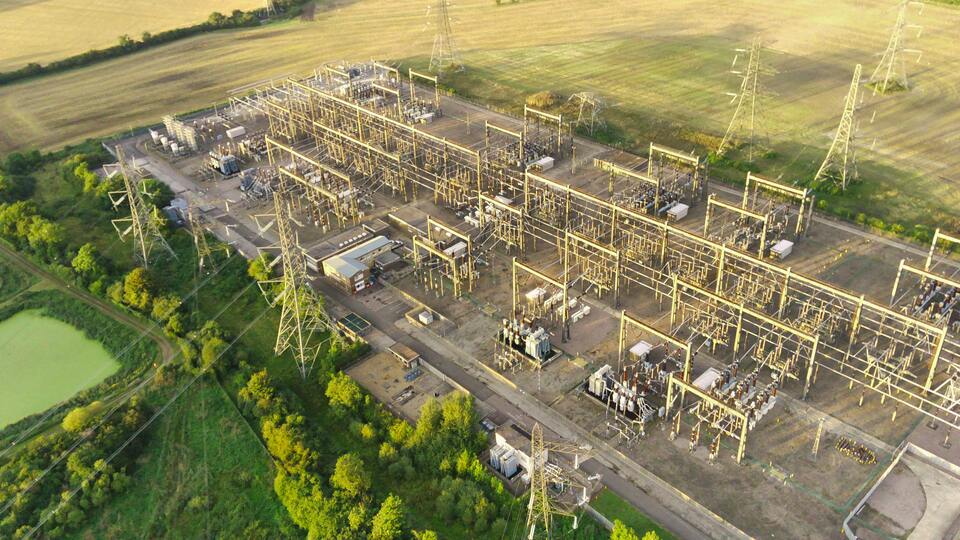
A sensing cable on the fence, buried in the ground or along the power cables. The alarm names the point and enters the chain, without a new cable route.
Secure substations
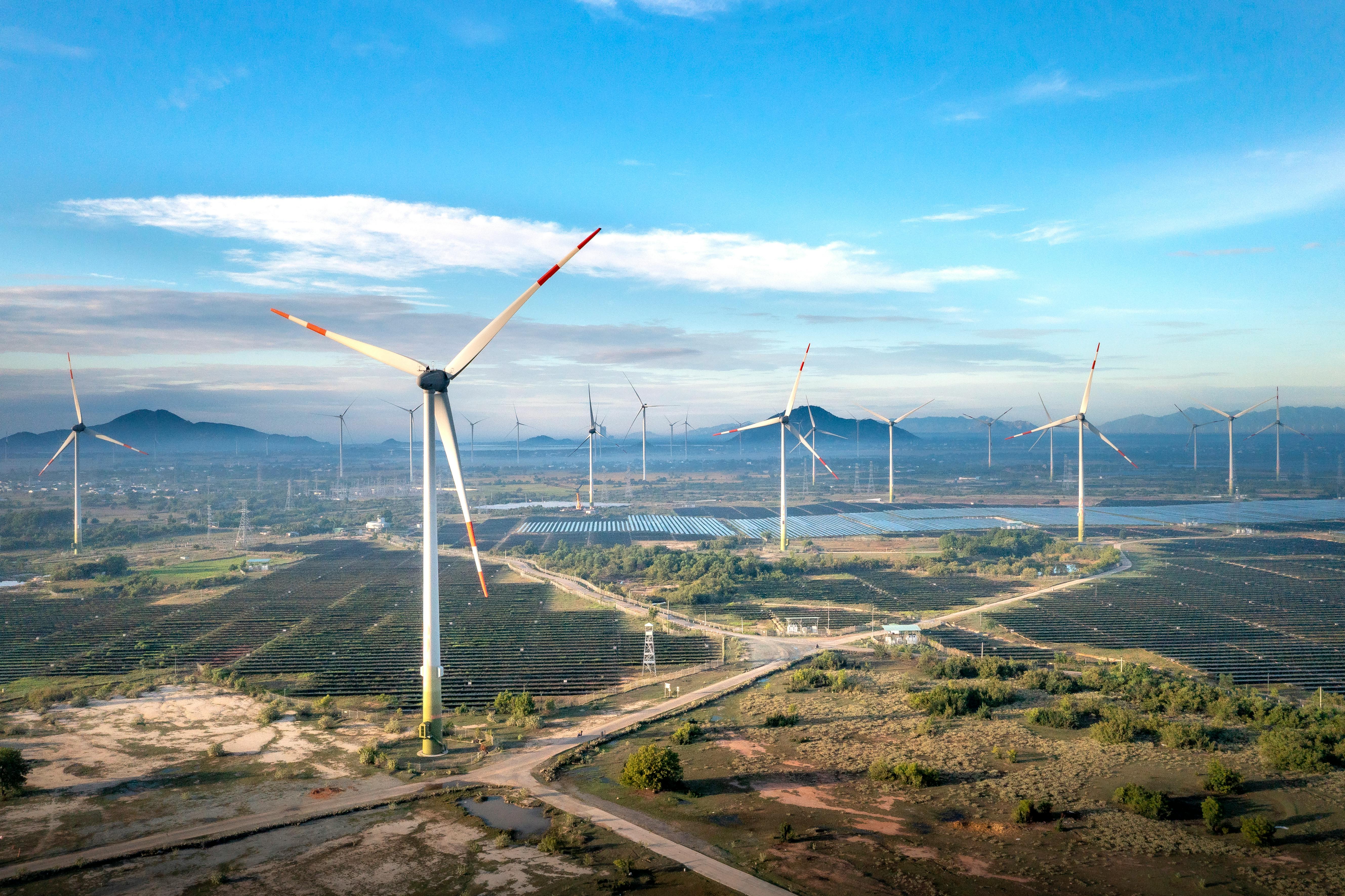
Fence and access are often far apart. The sensing cable detects an attempt on the fence or in the ground and names the point before anyone drives out.
Secure wind farms
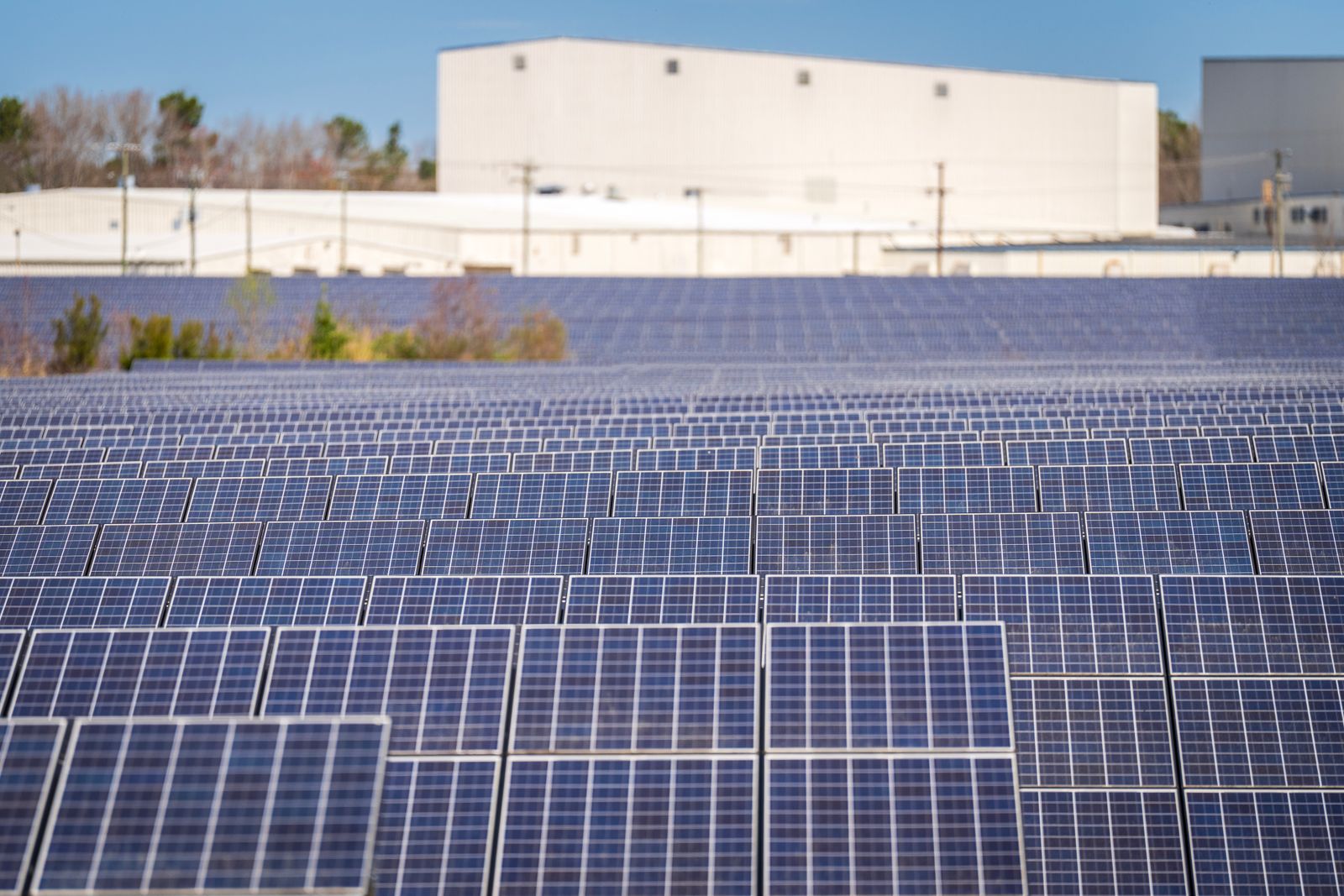
A sensing cable on the fence or buried, where modules and inverters sit without constant checks. The alarm names the point; the centre checks from there.
Monitor and secure a solar farm
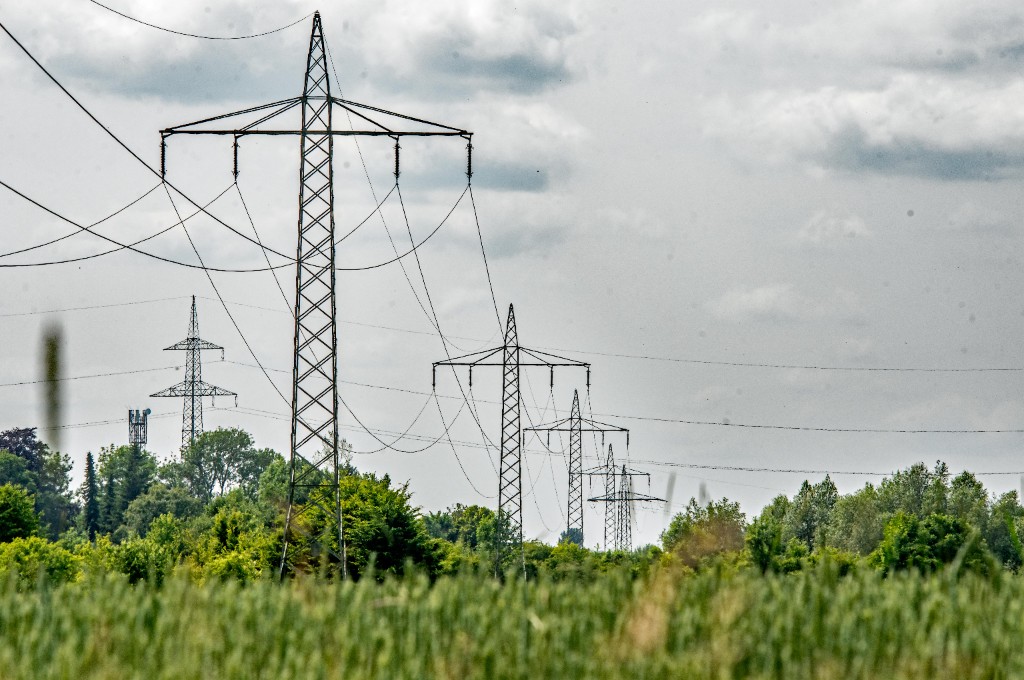
A sensing cable on the fence, in the ground or along a line and route. The alert names the point and enters the existing alarm chain. It does not replace a risk analysis.
Security solutions for critical infrastructure
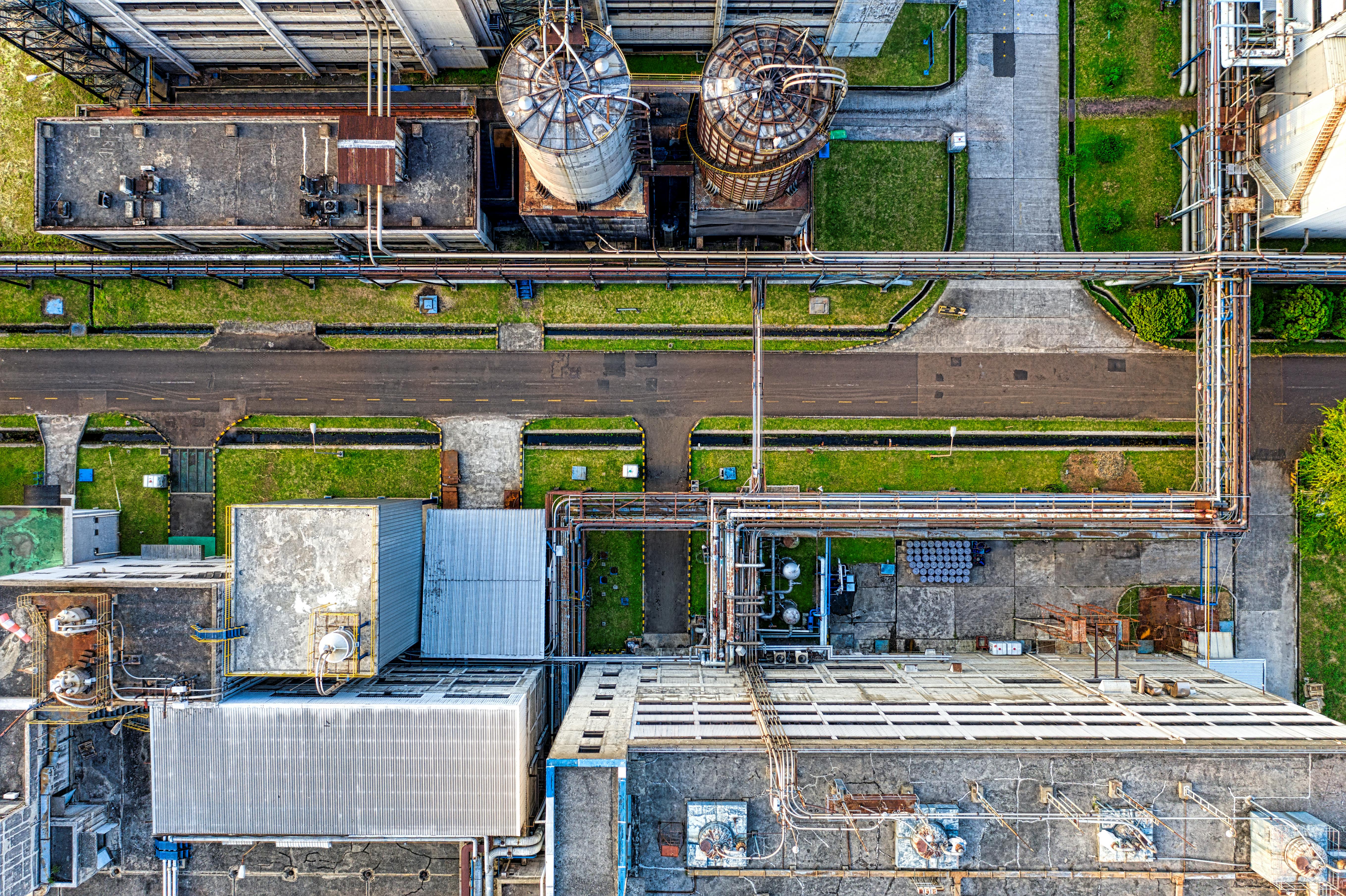
On the works fence and at technical areas. The cable detects cutting, climbing or interference with the data network and names the point for the centre.
Secure industrial sites

Fence, gate and open yard. An alert with a location goes into review before a vehicle or a patrol sets off.
Secure logistics sites
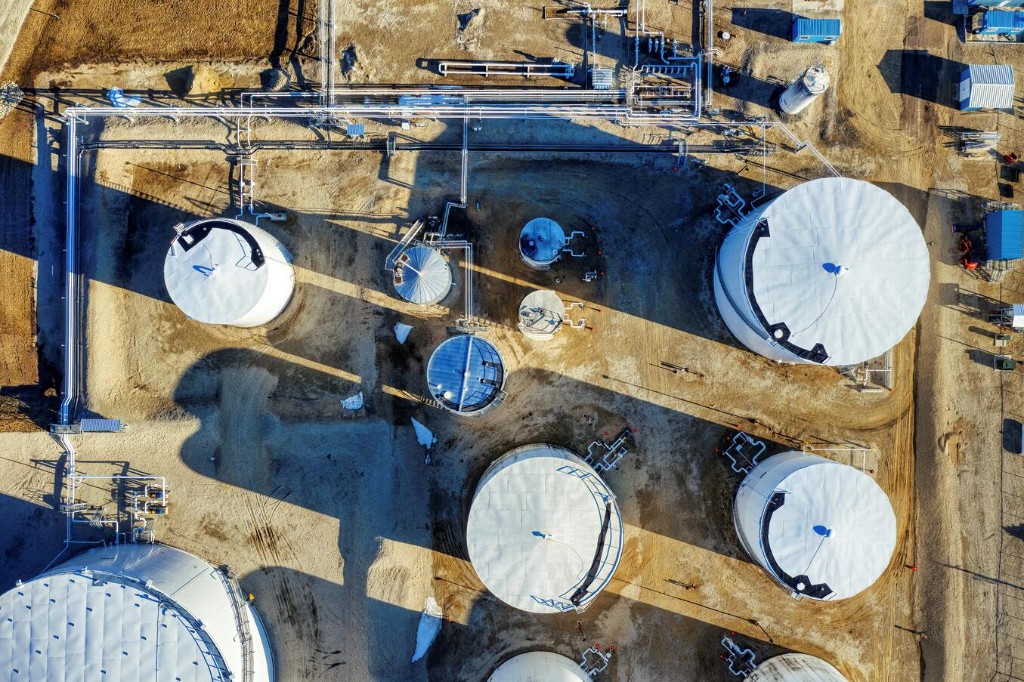
Fence, ground and pipelines. The sensing cable reports an attempt at the shell or on the line and names the point.
Secure oil depots and tank farms
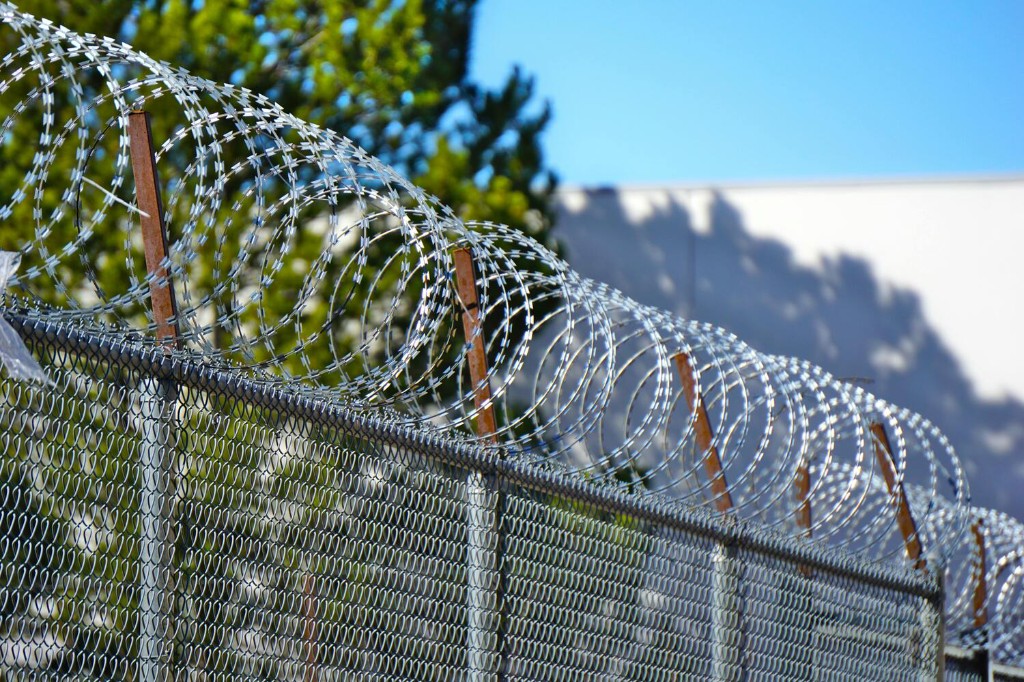
Along a fence, route or line, including where the permanent plant is not in yet. The alert names the point and enters the agreed chain.
Secure infrastructure projects
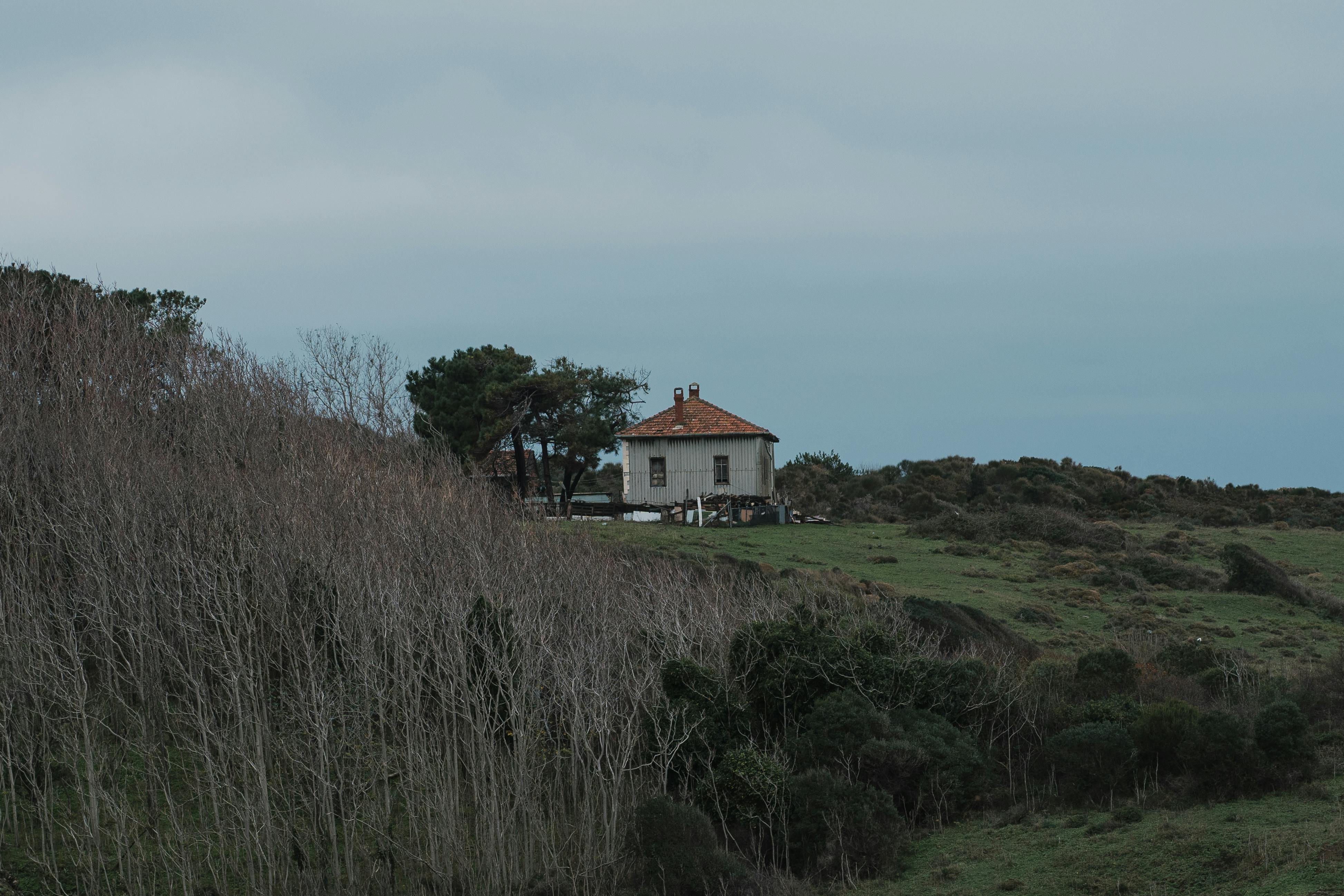
Where nobody is on site all the time, the sensing cable sits on the fence or in the ground. The alert names the point; the centre decides the drive.
Secure remote sites
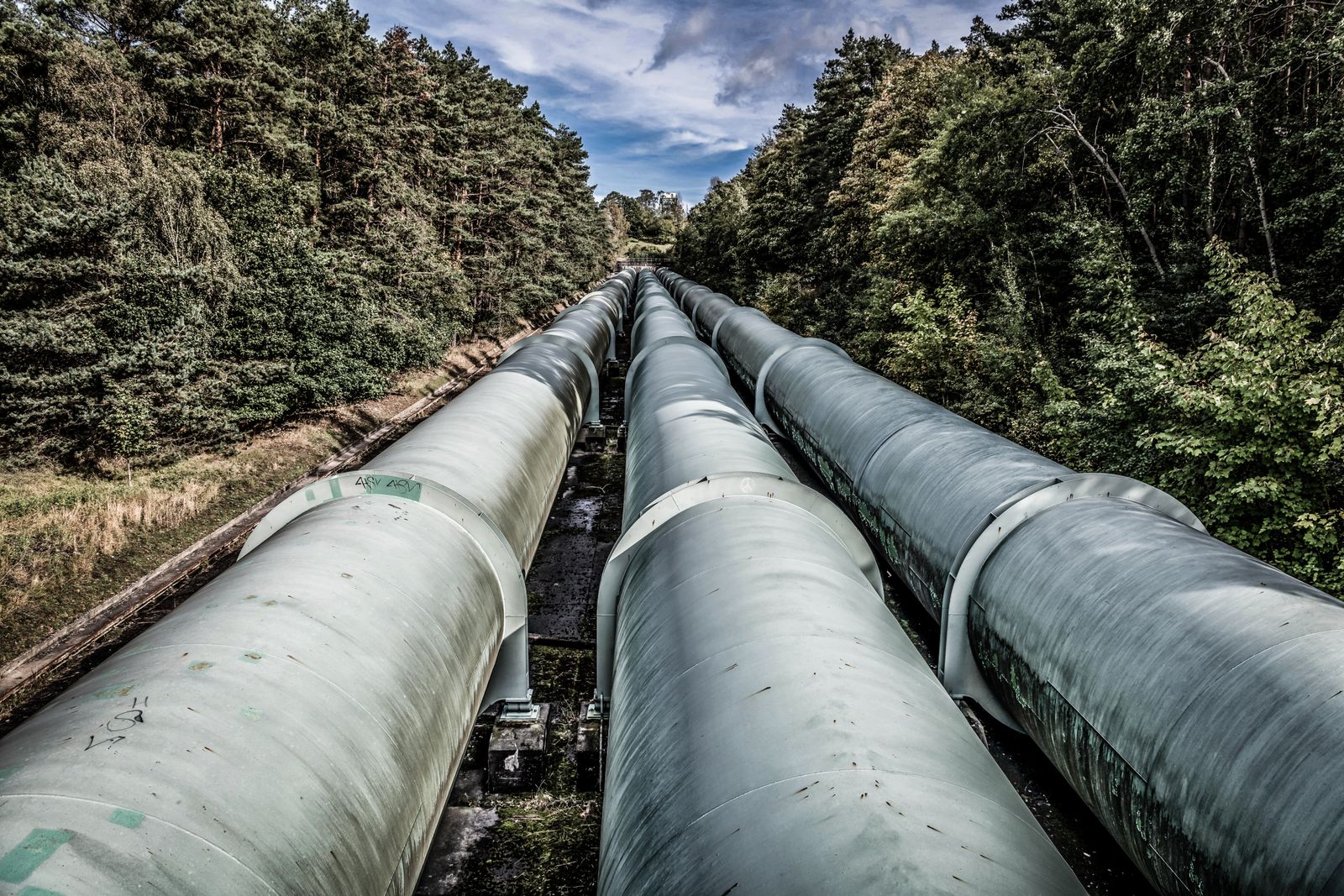
A new or existing cable above the line acts as the sensor. It detects digging, tapping and tampering before the line is damaged, and names the point.
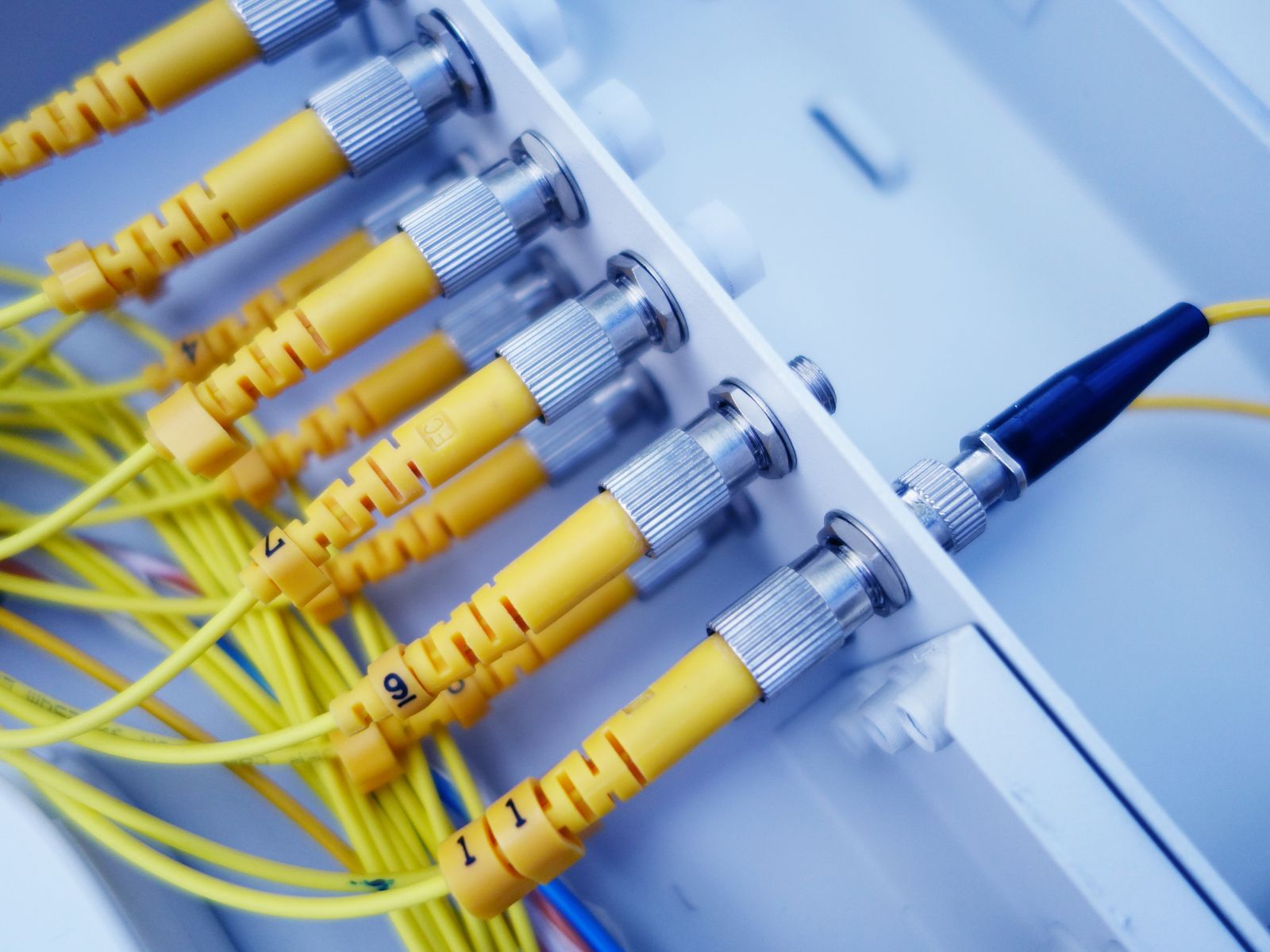
Unused fibres in the existing cable act as the sensor. The system detects disturbance, tampering attempts and physical tapping along the route. It does not read the data traffic itself.
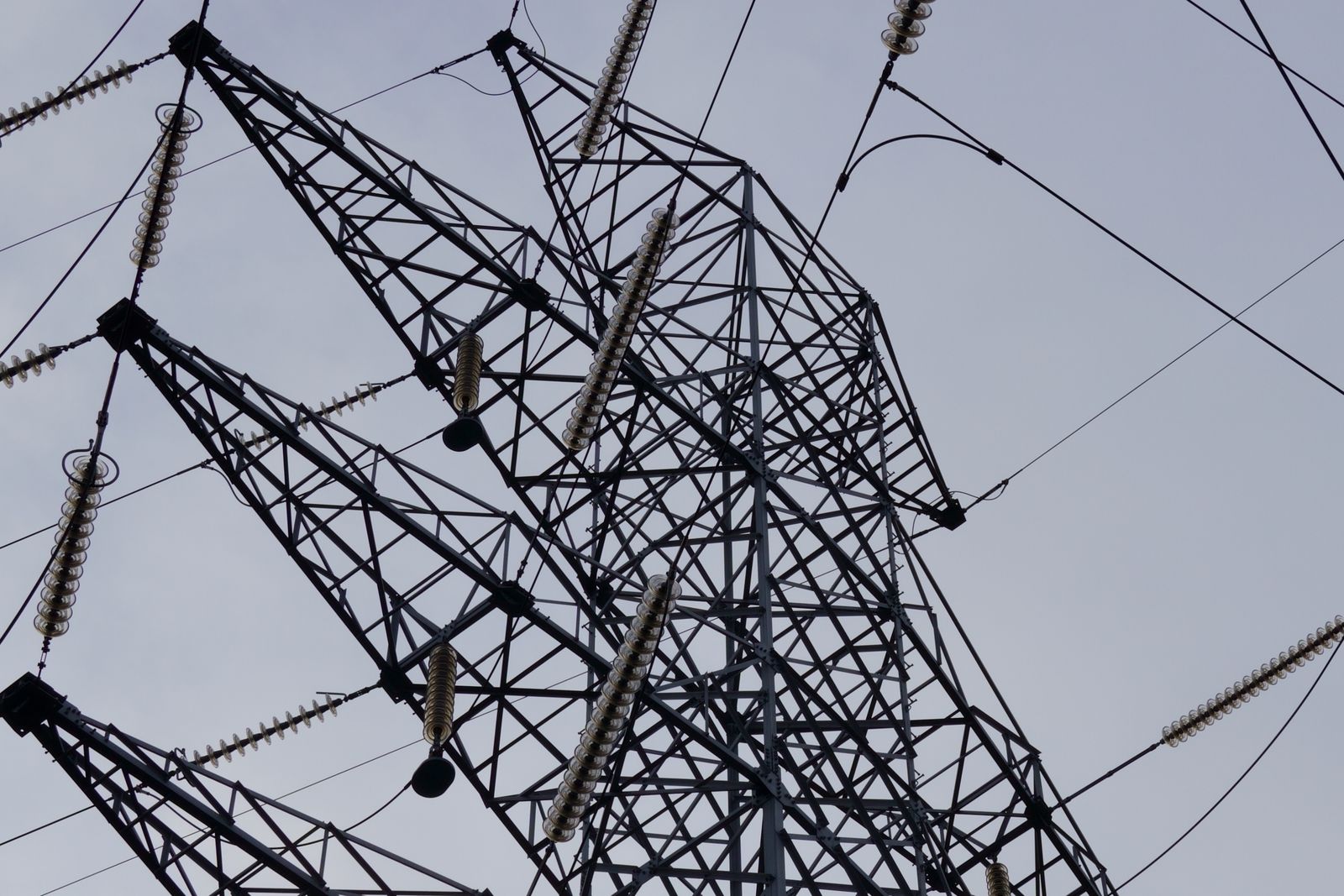
Along buried power cables the system detects unauthorised interference and excavation. Monitoring reaches the ground around the route, so nearby digging is reported before the cable is struck.
The examples show outdoor and construction-site monitoring that was delivered. They are not a promise for every site.
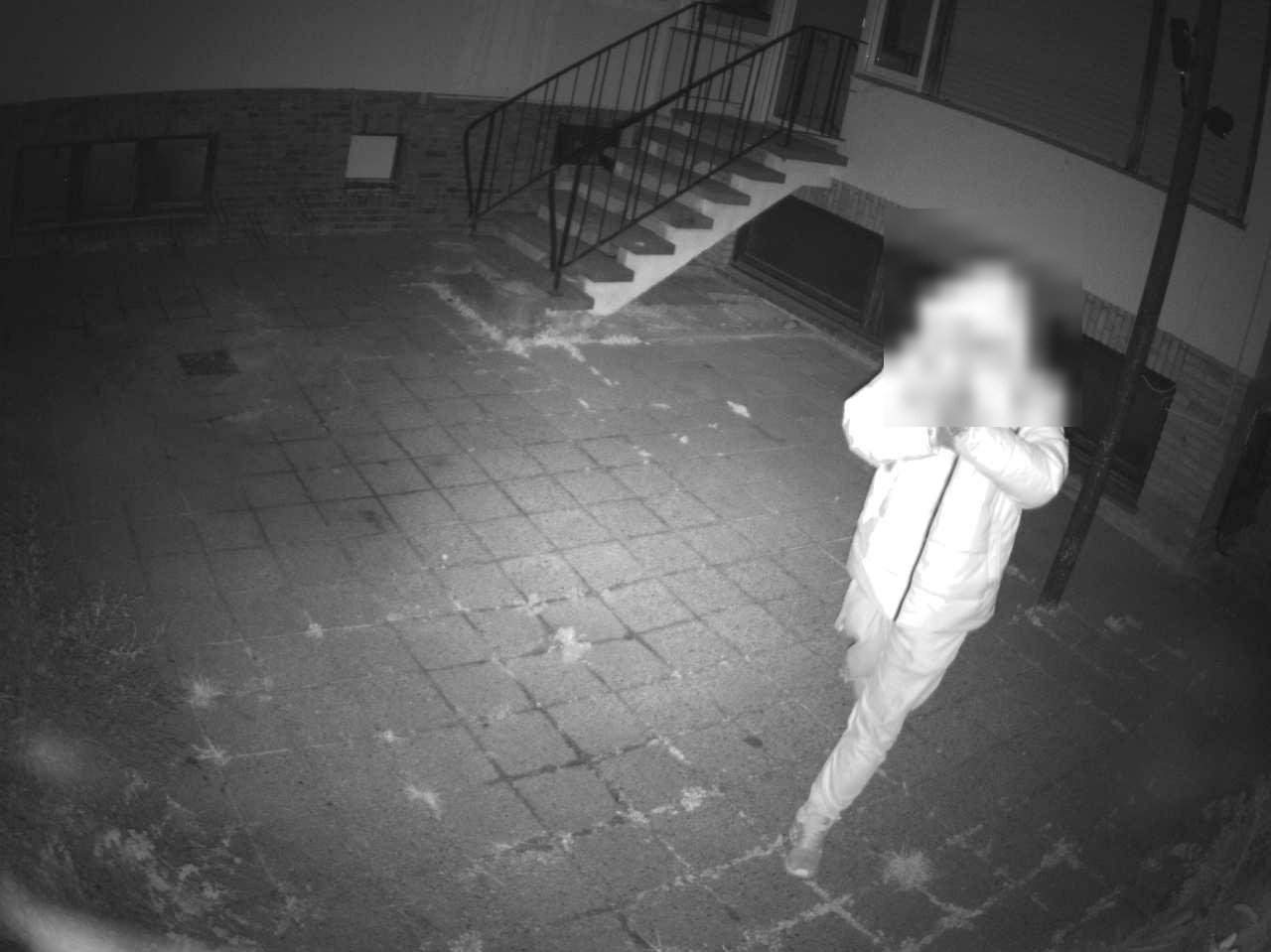
IB West gGmbH asked us for a patrol service for a vacant house in Kleve. Instead, we installed self-sufficient detectors that pick up unauthorised persons as soon as they enter the property.
Learn more
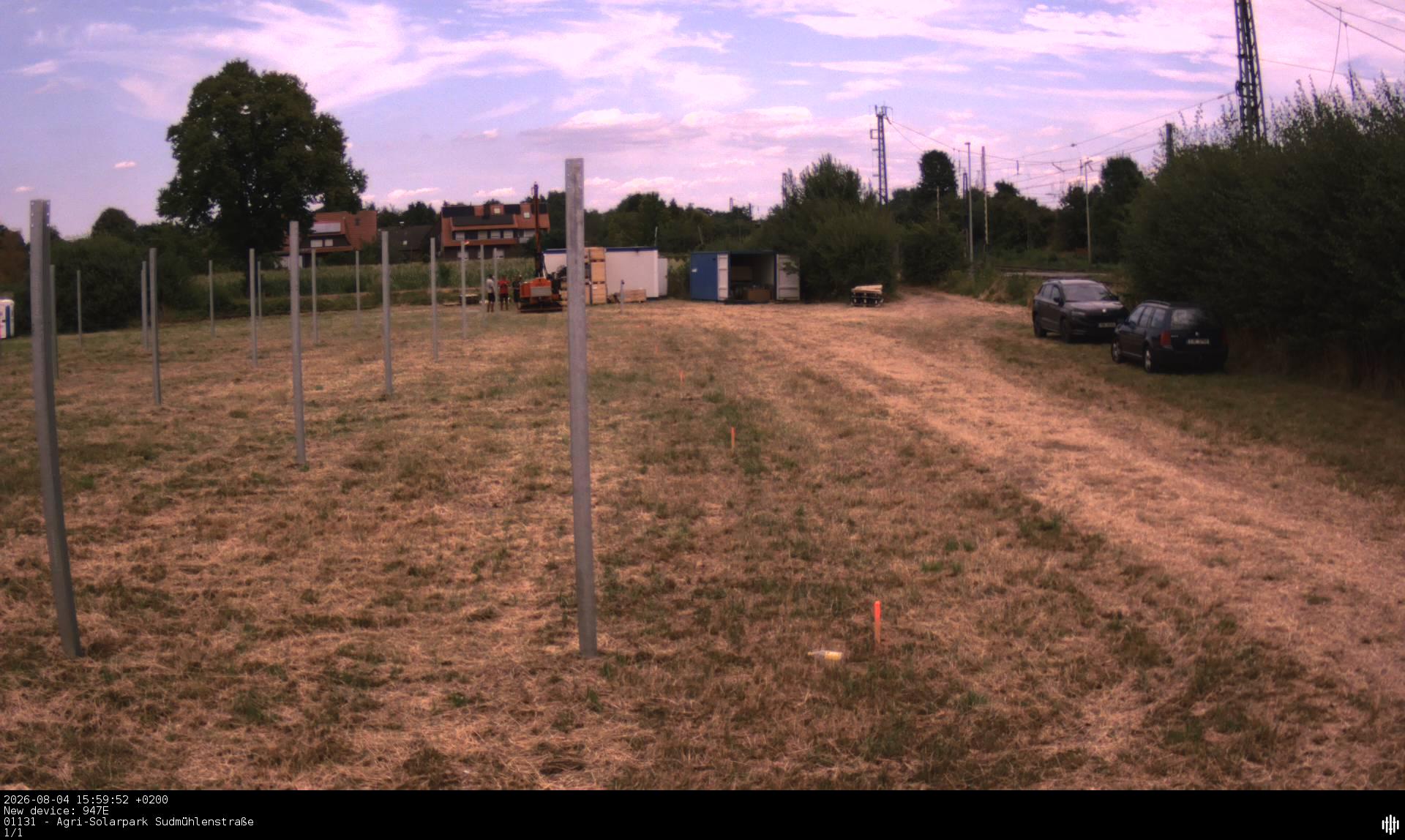
Following a break-in, a solar park under construction required immediate security measures. Within just a few hours, AEGIS Protect installed autonomous detectors and implemented a professional security solution—independe...
Learn more
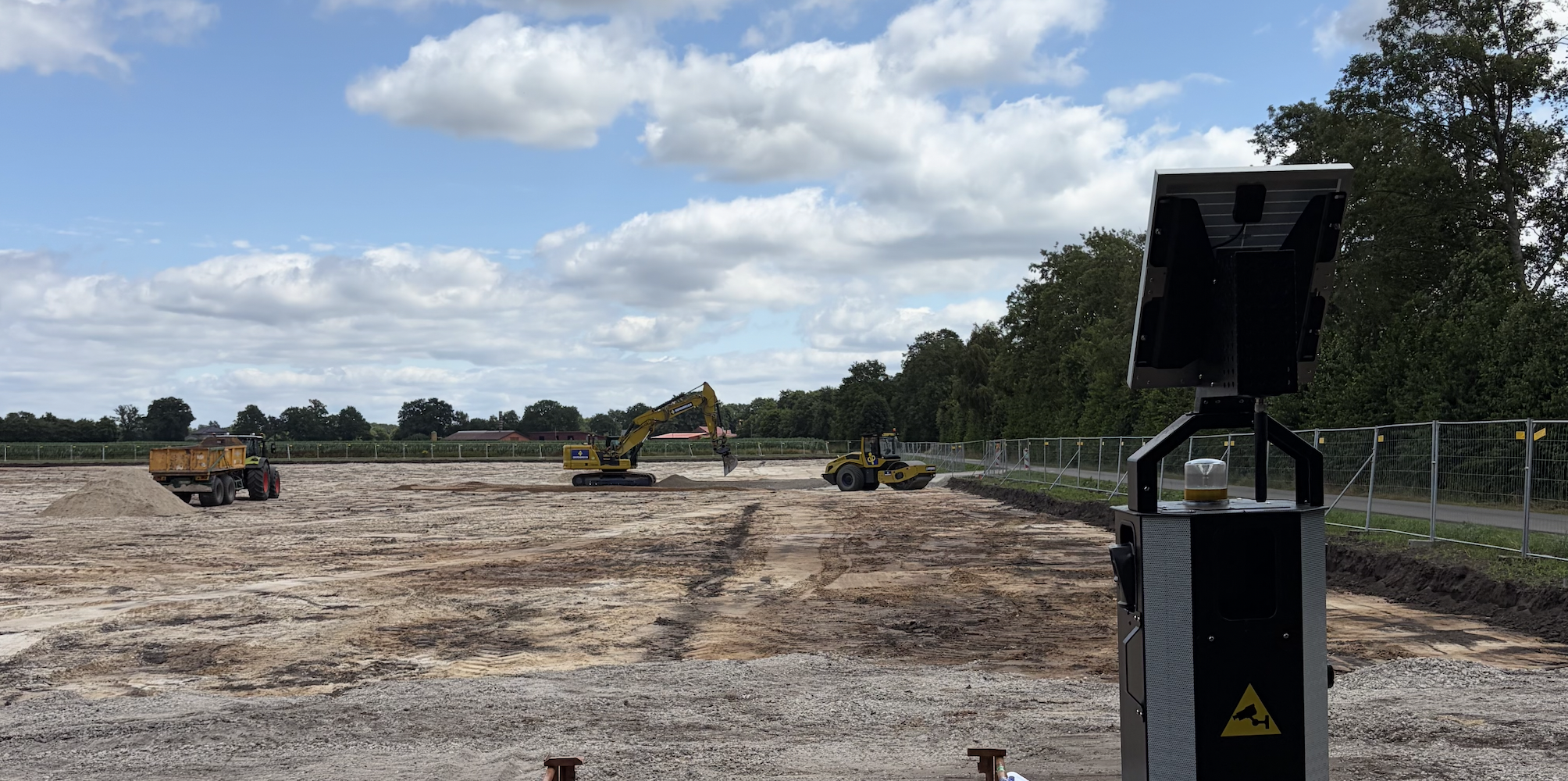
Mobile security concepts come into their own where traditional security solutions reach their limits. For a multi-year construction project involving critical infrastructure, our self-sufficient Sentinel PID units ensure...
Learn more
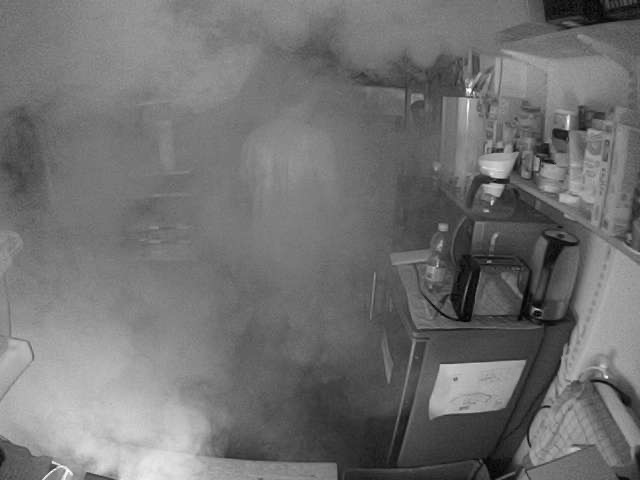
Ein Einbruch zeigt häufig, an welcher Stelle ein bestehendes Sicherheitskonzept weiterentwickelt werden kann. Nach einem Einbruch bei unserem Kunden haben wir die vorhandene Einbruchmeldeanlage deshalb gezielt um eine Si...
Learn more

Für die Apleona Real Estate GmbH übernehmen wir die kontinuierliche Entgegennahme offizieller Hochwasserwarnungen und überwachen zusätzlich automatisiert die über warnung.bund.de bereitgestellten amtlichen Warnmeldungen...
Learn more
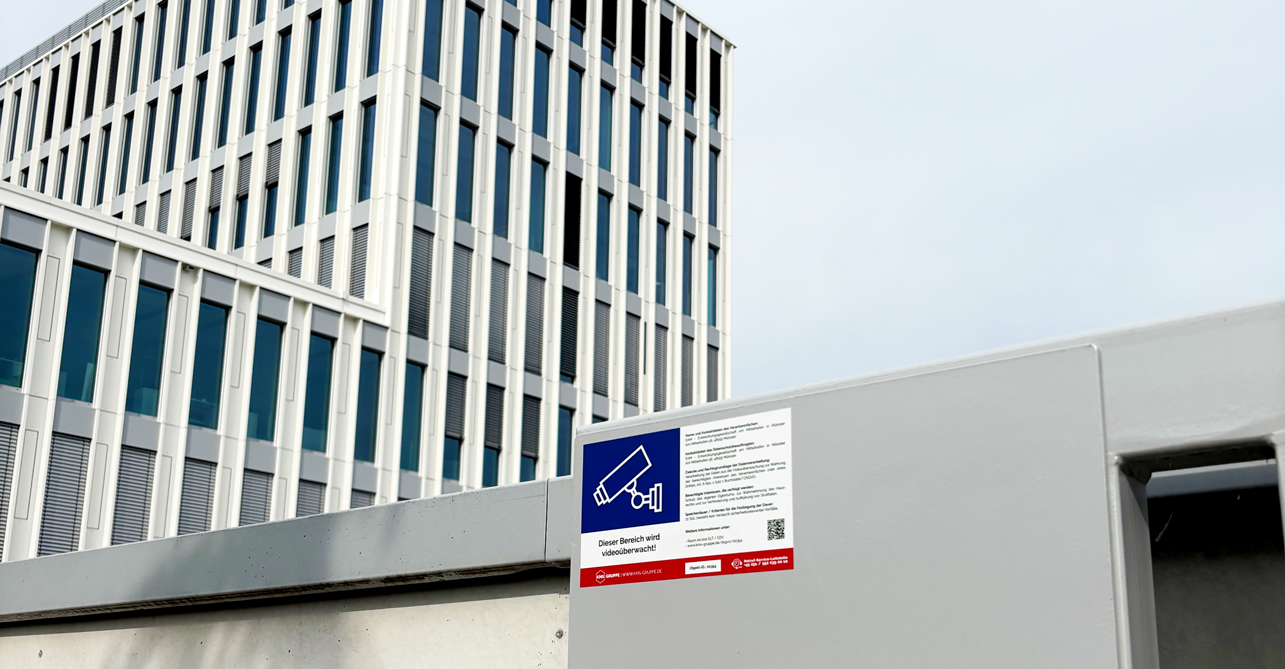
Für mehrere Gesellschaften, welche sich in einem 2024 errichteten Neubau niedergelassen haben, überwacht die AEGIS Protect die Immobilie und hat EMA, BMA, GLT und Video aufgeschaltet.
Learn more
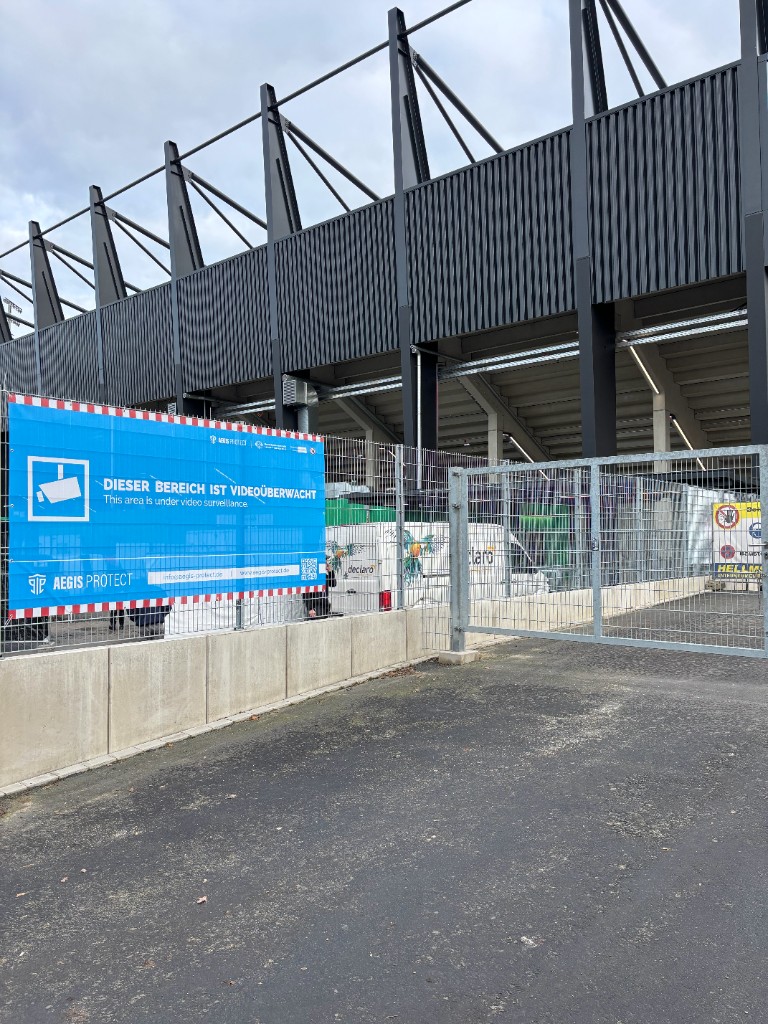
Für die HELLMICH Gruppe bewachen wir die Baustelle des Neubaus des LVM Preußenstadions von Preußen Münster. Ein besonderes Highlight war die zuverlässige Absicherung auch über die Feiertage – damit der Betrieb im neuen J...
Learn more
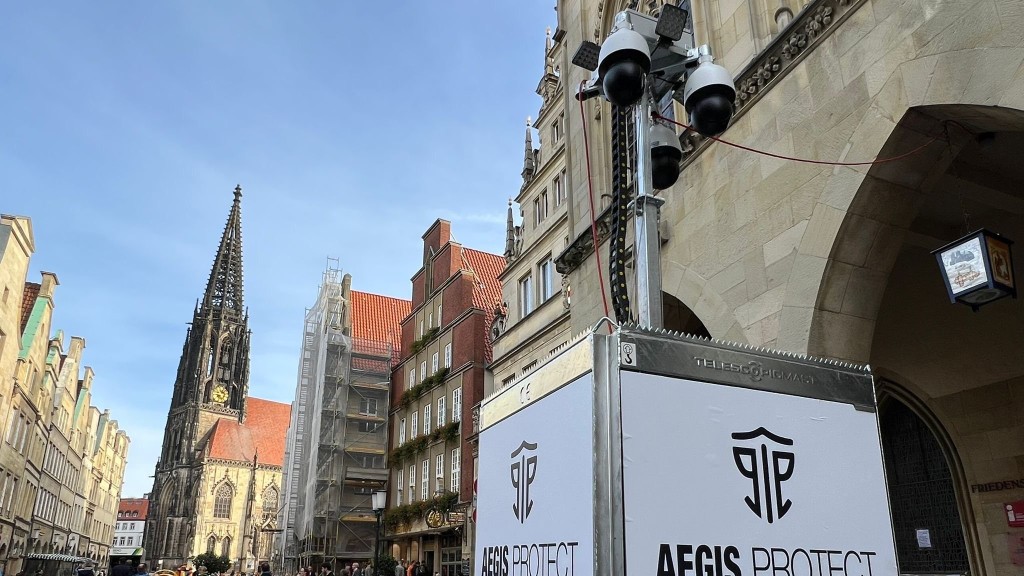
Seit etwa August 2024 wurde das Historische Rathaus der Stadt Münster wiederholt Ziel von Farbattacken – mit roter Farbe und teils politischen Schriftzügen auf Fassaden und im Innenhof. Die Verwaltung registrierte in der...
Learn more
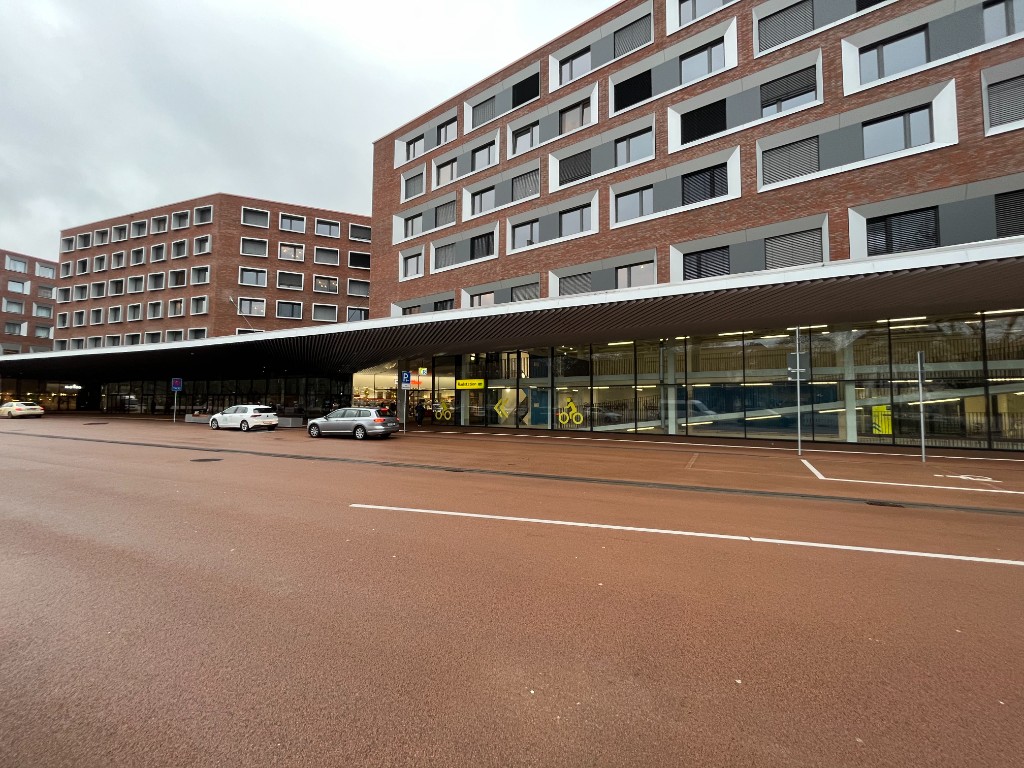
Das Hansator verbindet Wohnen, Hotel, Einzelhandel und Verkehrsanbindung direkt am Münsteraner Hauptbahnhof auf rund 28 400 m² BGF – eine zweite, urbane »Vorderseite« zum Bahnhof mit Fahrradparkhaus und Tiefgarage. Landm...
Learn more
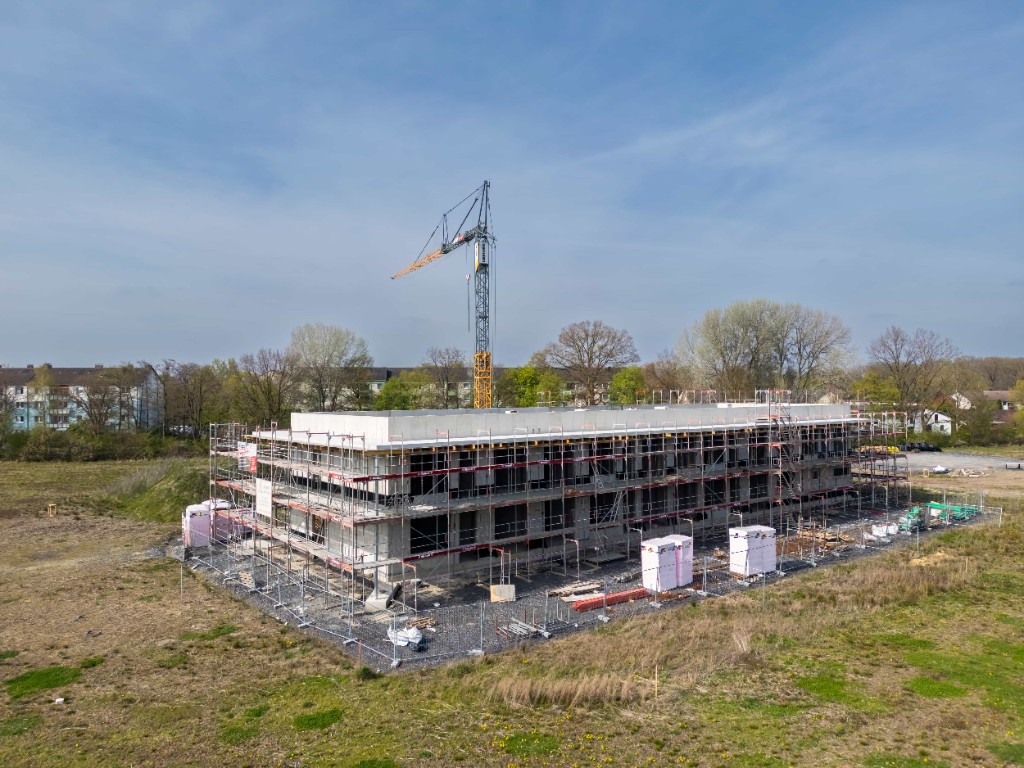
Südlich der Hiltruper Straße entsteht in Angelmodde ein neues Quartier mit rund 250 Wohneinheiten; wenige Schritte entfernt nimmt eine Sieben‑Gruppen‑KiTa etwa 130 Betreuungsplätze auf. Bei der Großbaustelle war die Anf...
Learn more
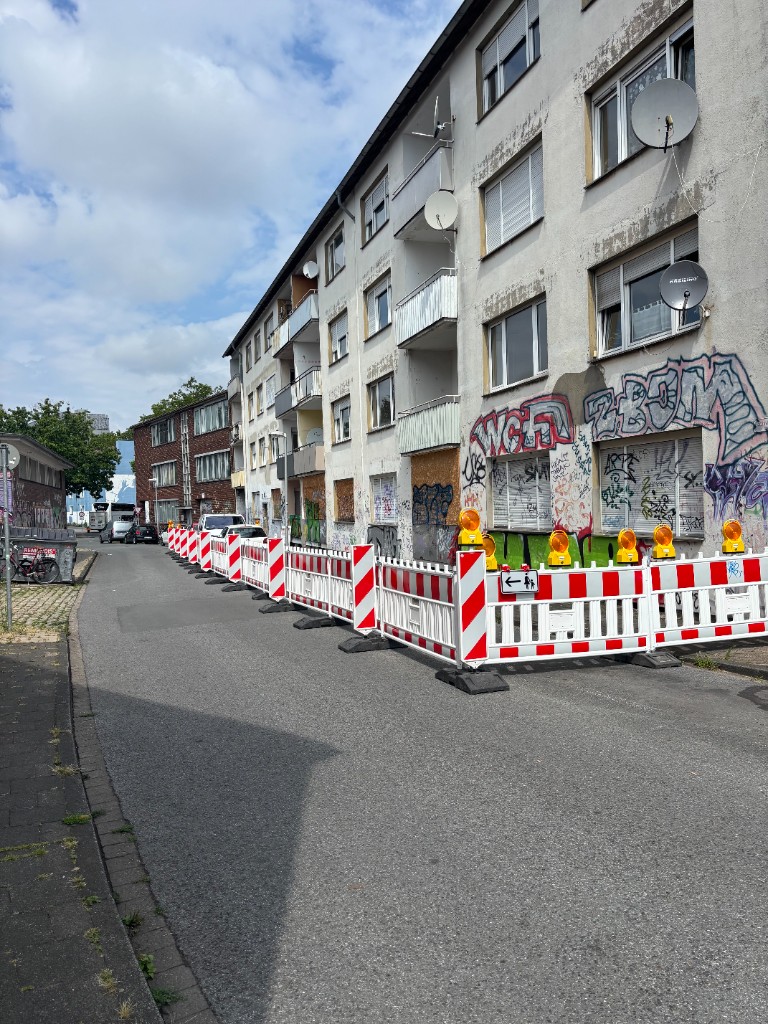
An der Dammstraße in Münster stehen mehrere stark sanierungsbedürftige städtische Gebäude. Nach Jahren zunehmender Verwahrlosung hat die Stadt die Instandsetzung auf den Weg gebracht: kostengünstige Sanierung zur mindest...
Learn more
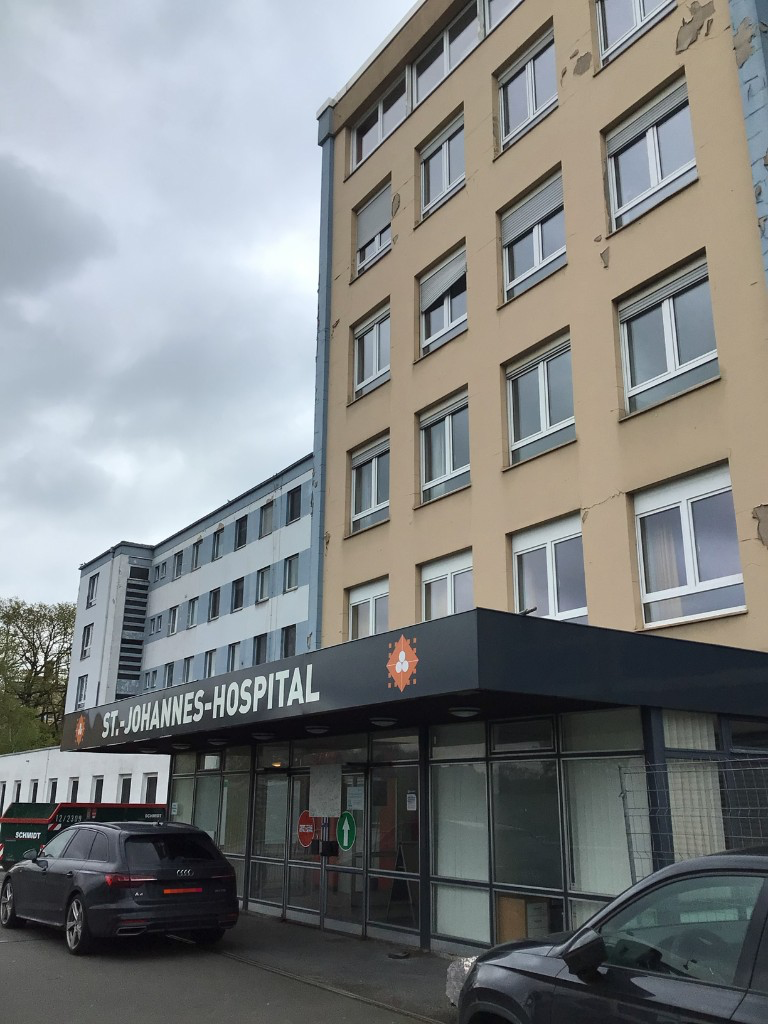
Im Leerstand des ehemaligen St.-Johannes-Hospital in Hagen-Boele kam es zu mehreren Bränden, die Kriminalpolizei ermittelt wegen des Verdachts der vorsätzlichen Brandstiftung, beim zweiten Brand im April 2024 waren rund...
Learn more
Physical protection is one part of the resilience of critical sites. The German KRITIS umbrella act has been in force since 17 March 2026. Which operator duties apply, and when, depends on the installation, the sector and the specifying ordinances.
Technical detection works when it is tied into organisational processes: alarm review, defined measures and traceable documentation. Which measure is suitable follows from the individual risk assessment.
NIS-2 and cybersecurity address information-technology security. They do not replace physical protection of grounds, access and operations.
AEGIS Protect supports operators with suitable technical and organisational security measures. This is not legal advice, not an official resilience plan, and not a statement that commissioning us fulfils statutory duties.
Perimeter detection is the monitoring of a site’s outer boundary so that unauthorised approaches and intrusion attempts are recognised before sensitive areas are reached. It uses sensors and cameras on fences, open ground or approaches, connected to a defined alarm process. It is distinct from monitoring doors inside a building or drones in the airspace.
Large outdoor areas suit fibre-optic detection: a sensing cable on the fence or buried in the ground recognises intrusion attempts and passes on the location. Whether a fence run, a buried run or added cameras fit depends on the terrain, the supply and the agreed action plan. The exact layout follows the site assessment.
Yes. Self-contained systems can monitor outdoor areas even where there is no fixed mains or network connection. Whether that is enough at a given site depends on the area, the runtime and the alarm path.
An alarm is reviewed and prioritised, as far as the connected technology allows. The agreed action plan then applies: notifying the responsible party or deploying intervention officers. The event, the time and the measure taken are documented.
Yes, when the system is connected for that purpose. Our alarm receiving centre can receive alarms, verify them within the technical limits and start the agreed escalation.
Perimeter detection can make unnoticed approaches to sensitive sites visible earlier. It is a technical part of physical resilience and does not replace the operator’s risk assessment or organisational and statutory duties.
Existing cameras, detectors or alarm paths can be included when the interface and the condition of the system allow it. Whether and how that happens is set in the security concept and is not assumed in advance.
Sensors on the site boundary are only the first step. The value appears when a signal is reviewed, matched to an agreed response and recorded so it can be traced.
01
Sensors, cameras and suitable technologies recognise defined security events at the outer boundary.
02
Alarm handling checks and prioritises incoming signals within the limits of the connected technology.
03
According to the agreed action plan, responsible parties are alerted or intervention officers are deployed.
04
Events, times and the measures taken are recorded so they can be traced.
Describe the site and the task. We will come back with a suitable proposal for detection, the alarm path and intervention.
We will call you back shortly on the number provided.