Photo: Pexels / Victor Pace
Renting construction site surveillance: camera towers, process, cost and what to look for
When a rental solution pays off, how camera towers, self-powered detectors and Sentinel differ, how the rental works and what drives the cost.
Author: AEGIS Protect
The construction site moves. Surveillance has to move with it.
In short: Rented construction site surveillance combines mobile equipment that is set up without a permanent installation with a monitoring centre that checks every alert against the image and responds according to a plan agreed in advance. A camera tower suits large construction areas and entrances; self-powered detectors suit individual points without power. The cost depends on the area, duration, equipment and scope of the monitoring centre's service and is quoted individually.
If you already know you want to rent a camera tower for your construction site, our rental page lists the models and the enquiry form. This article helps with the decision before that.
When rented surveillance pays off
A construction site is a special case of property protection: the area is open, the valuables change, and after working hours nobody is there. Typical reasons for a rental solution are:
Limited duration: Surveillance is only needed while construction lasts. Afterwards, the permanent systems of the finished building take over, or none are needed.
Changing sections: Storage areas, entrances and work zones move as construction progresses. The equipment has to move with them.
No power, no network: Site power is not available everywhere, and a fixed internet line almost never. Rental systems run on their own energy supply and mobile network.
Valuable machinery and materials: Machines, cables, metals and delivered building materials stay on site overnight and at weekends.
We have summarised the liability and insurance questions that come up after a theft in our article Theft on construction sites: who is liable and how to protect yourself. If you need staff on site instead of or in addition to equipment, see construction site security.
Which equipment suits which site
Camera tower for large areas and entrances
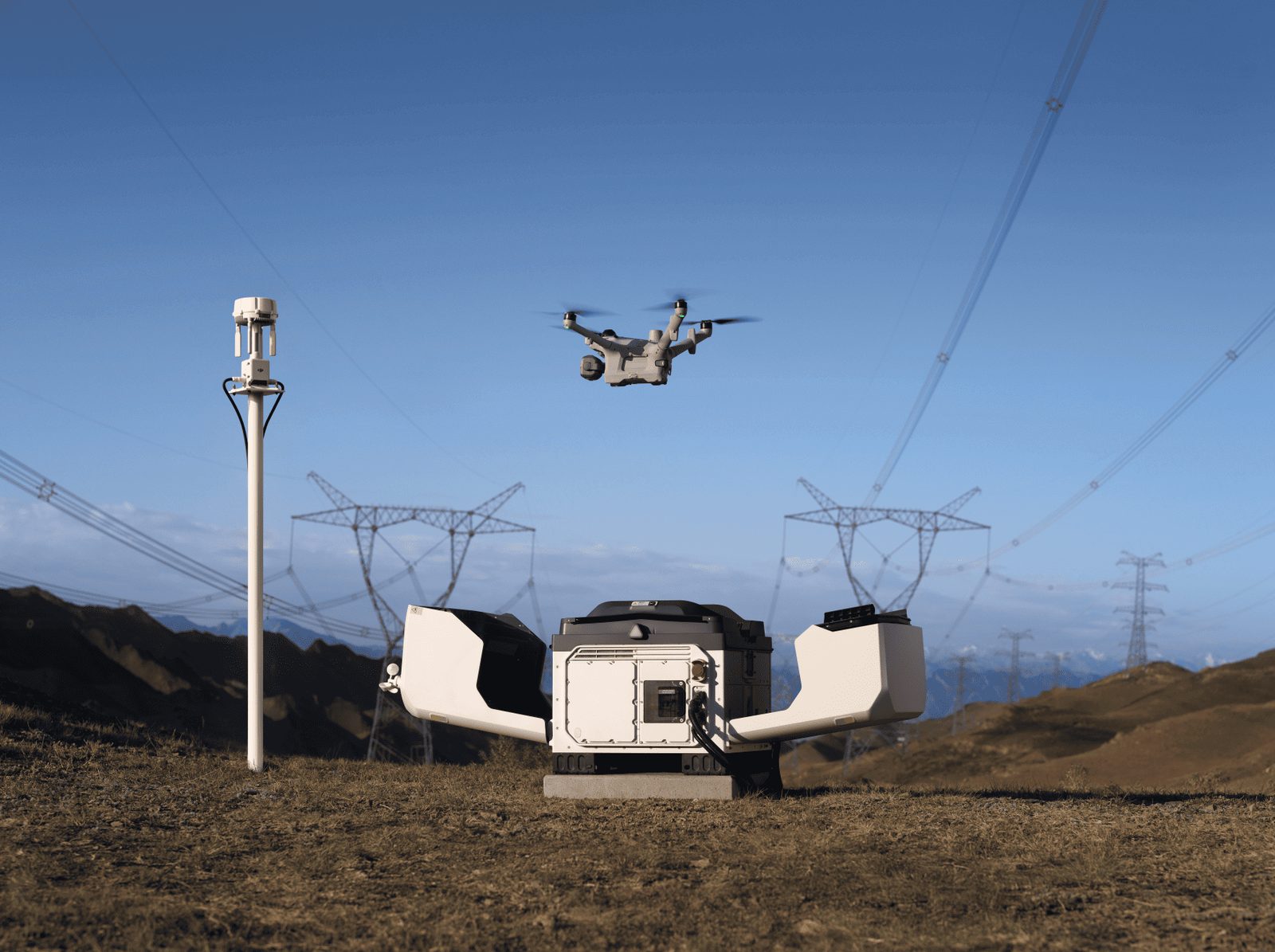
A camera tower carries cameras, lighting, a loudspeaker and its power supply on a mast. It overlooks large areas and entrances from above, can be set up without a permanent installation and moved later. Our towers run on solar power and batteries and transmit via mobile network. Among other things, they detect when someone crosses a defined line or zone after working hours, lingers at a gate for too long, or a vehicle drives across the site.
We use different models: compact towers for sections and yards, towers focused on gates and entrances, and towers for an entire area. For locations a trailer cannot reach, there is a solution without a trailer. We decide which variant goes where during planning. The models are listed on our page Rent camera towers.
Self-powered detectors for individual points
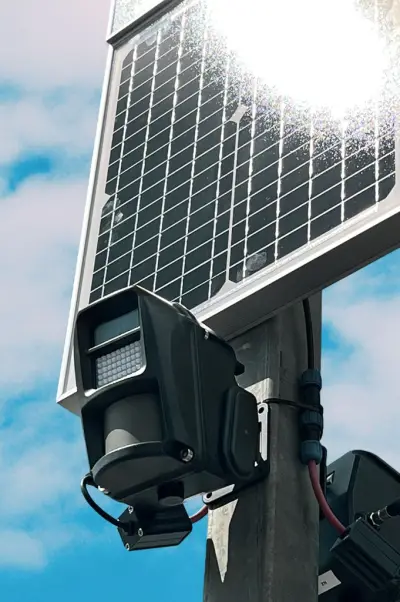
Not every risk point needs a tower. A site container, a material store or a rear entrance can be secured with self-powered detectors without power or network connection. They work with a battery, camera and radio, transmit the event and image via mobile network to the monitoring centre and need no standing area.
Sentinel for changing construction areas without infrastructure
For sites that stretch across large areas or change frequently, we use the self-powered construction site surveillance Sentinel. The mobile solution works without power or internet connection and can be moved as construction progresses.
These building blocks are not mutually exclusive. A combination often makes sense: a tower at the entrance, detectors at the container. When a tower is not needed is explained on our page Camera tower or alternative.
How the rental works
Enquiry: You tell us the location, area, planned period and whether power is available. Critical points such as the entrance, containers or storage areas help with planning.
Planning: We define locations, viewing directions and detection zones and agree with you who is informed at night and how an intervention officer gets onto the site.
Delivery, set-up and handover: We deliver, set up and align the equipment, put up the signage and hand the equipment over to our emergency and service control centre.
Operation: The monitoring centre watches during the agreed times. If the site changes, we adjust zones or relocate the equipment.
Removal: When the project ends, we dismantle and collect the equipment.
What happens when an alarm is triggered
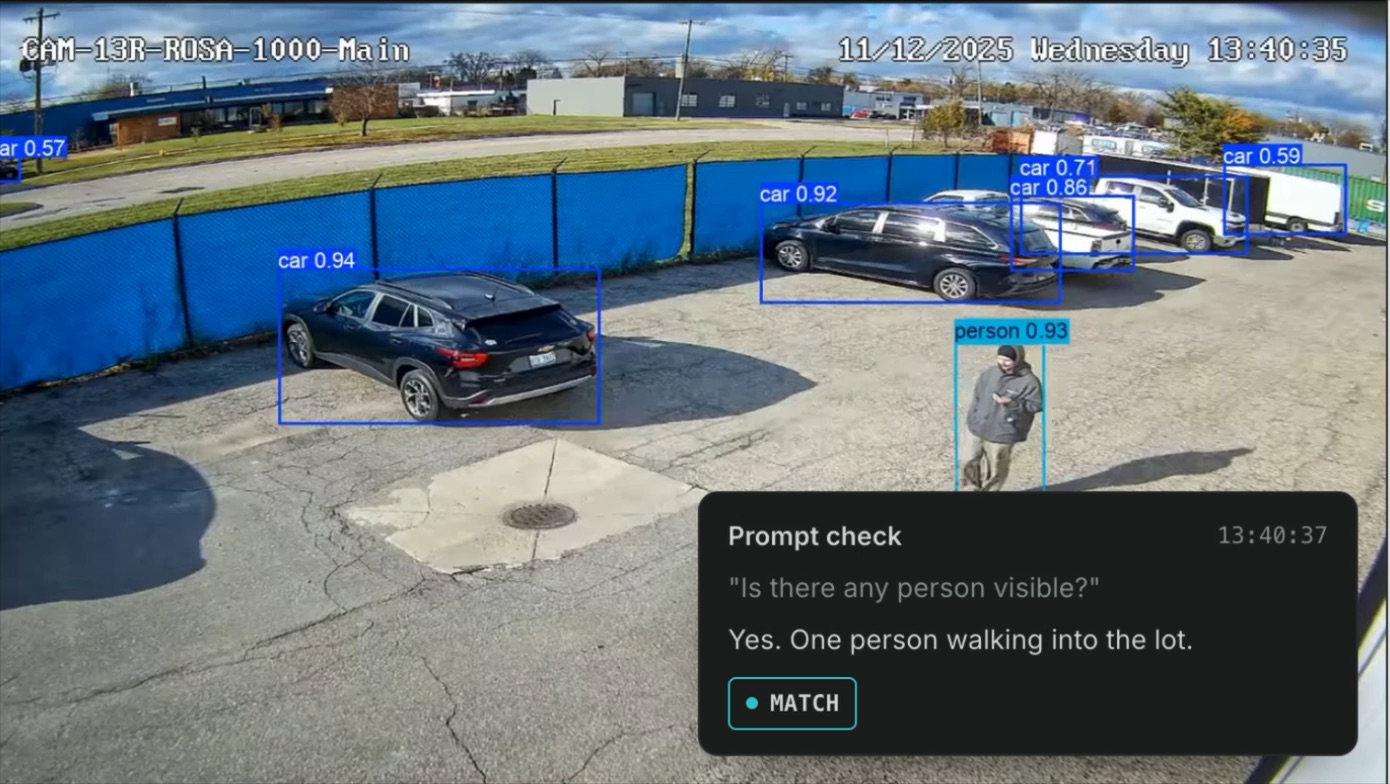
When the tower or a detector registers an event, the alert and image go to our monitoring centre. There, the first step is assessment: is a person or vehicle visible, and do they belong to the registered persons, such as a late delivery?
If the suspicion is confirmed, the monitoring centre follows the agreed action plan. Lights on the tower and an announcement over the loudspeaker make clear that the area is being watched. The monitoring centre informs the contact person and sends an intervention officer. The police are notified when there are signs of a crime or a danger. Every step is documented.
Not every person on a construction site is a thief. Why assessment comes before response is described in our article Unauthorised entry to construction sites. How the connection works technically is explained on our page on alarm monitoring.
What drives the cost
There is no flat price for construction site surveillance, because every site is different. The cost depends mainly on:
Equipment and quantity: how many towers or detectors and which models the area needs.
Duration: how long the surveillance stays in place and whether it spans several construction phases.
Monitoring centre service: during which times the site is monitored and what the action plan looks like.
Intervention: whether and how often an intervention officer should be dispatched.
Relocation and extras: how often the equipment is moved as work progresses and whether extras such as time-lapse recordings of the construction progress are added.
After a short discussion of location and period, we send you an individual quote.
When comparing several quotes, it pays to look closely: the same duration, the same number of devices and the same scope of monitoring centre service are what make quotes comparable. A tower whose images nobody looks at during the night only records. It is not a cheaper version of the same service.
What to check before renting
Which areas are critical: entrance, storage area, containers, machinery?
Is the set-up area accessible and load-bearing, and will the view stay clear when scaffolding, a crane or containers are added?
Is site power available at the planned locations, or is self-powered equipment needed? Has mobile reception been tested on site?
Who is the contact person at night and at weekends, and how does an intervention officer get onto the site?
Does the monitoring centre know about late deliveries, subcontractors and guards?
Are the fields of view limited to the construction site, and is signage planned at the entrances?
Who decides when the equipment is relocated, and who reports changed construction sections?
Has it been clarified whether the client, the general contractor or a subcontractor commissions the surveillance?
Examples from practice
How a mobile camera tower works together with our monitoring centre is shown in our case study on the video tower at Münster's Historic City Hall. A construction site secured over years with changing work areas is described in the case study on temporary video surveillance of a critical infrastructure construction site. There, self-powered Sentinel units are connected to our monitoring centre and move along with the work.
Frequently asked questions
What does it cost to rent construction site surveillance?
It depends on the number and type of devices, the duration, the monitoring centre's monitoring times and the agreed intervention. After a short discussion of location and period, we prepare an individual quote.
How long can I rent a camera tower?
From a short deployment to several construction phases. We agree the duration and any extension with you in the quote.
Does a camera tower need a power connection?
No. Our towers are powered by solar and batteries and transmit via mobile network. For individual points without power, there are also self-powered detectors.
What happens if the tower detects someone at night?
The monitoring centre checks the image, can address the person over the loudspeaker, informs the contact person and sends an intervention officer. The police are notified when there are signs of a crime or a danger.
Camera tower or self-powered detectors: which fits better?
A tower provides height and an overview of large areas and entrances. Self-powered detectors secure individual points such as containers or stores and need no standing area. A combination often makes sense.
Conclusion
Rented construction site surveillance is well planned when equipment, monitoring centre and intervention fit the site and its construction phases. The tower provides the overview, self-powered detectors close gaps where there is no connection, and only the monitoring centre with a clear action plan turns an alert into a response. If you want to secure a construction site, you can rent a camera tower or contact us directly.

Critical infrastructure, business and private clients.
We find solutions.
Welcome to AEGIS Protect, your reliable partner for comprehensive protection and security. Our goal is to give you a safe environment where you can feel relaxed and protected. With years of experience, modern technology and a team of professional security specialists, we meet your security needs reliably and efficiently. Count on us for round-the-clock protection wherever you need it.