
No building supply
The plot has neither power nor a fixed line. A wired camera has nothing to connect to.
Solution
Battery and radio
The detector runs without a supply. The bridge takes the link outward over mobile.
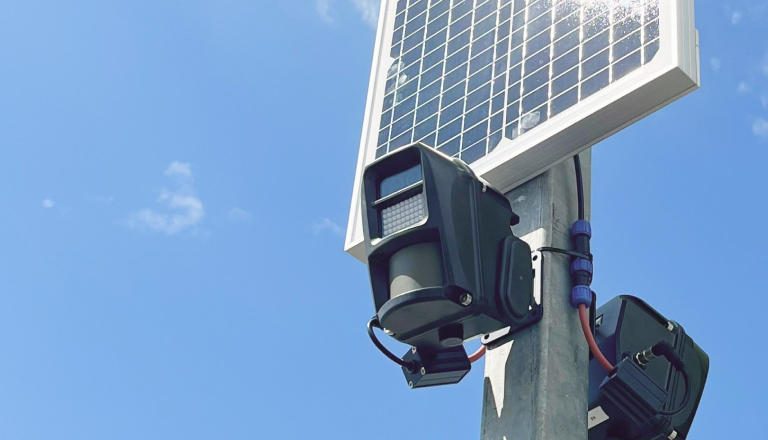
Self-contained security technology
Self-contained detectors pick up people and vehicles even where power, a fixed line and a cable route are missing. The control centre checks the picture.
A construction site, open land or a technical plant: a fixed camera needs power and a line. If both are missing, nobody looks between two checks.
The plot has neither power nor a fixed line. A wired camera has nothing to connect to.
Solution
The detector runs without a supply. The bridge takes the link outward over mobile.
What is the store this week is a through-route next week. A fixed position no longer fits.
Solution
Self-contained detectors can be set at the new risk area without replanning the system.
Wildlife, weather and operations trigger motion. A siren without a picture sends someone out.
Solution
AI filters typical disturbances. The control centre sees the event and follows the plan.
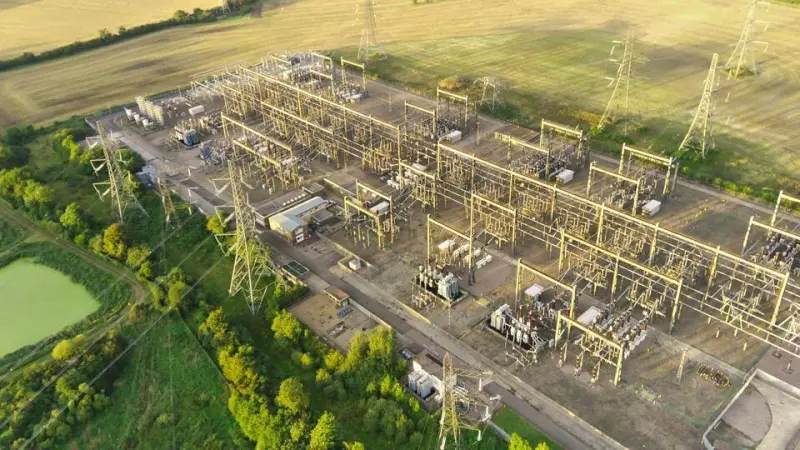
A small system. A large difference.
The units are mounted exactly at the points that have to be watched. No cable route, no fixed network. That also covers areas where classic video surveillance would be out of proportion. Compared with camera towers, the logistics fall away: no heavy transport, no crane, no dedicated pad for a mobile platform.
The detector sits where the risk is. Radio and mobile replace the cable route. The control centre checks the picture before anyone drives out.
People and vehicles are detected at the fence, the access, the store, a container, a technical plant, on open land or on a construction section. Without a power supply and without a cable to the detector.
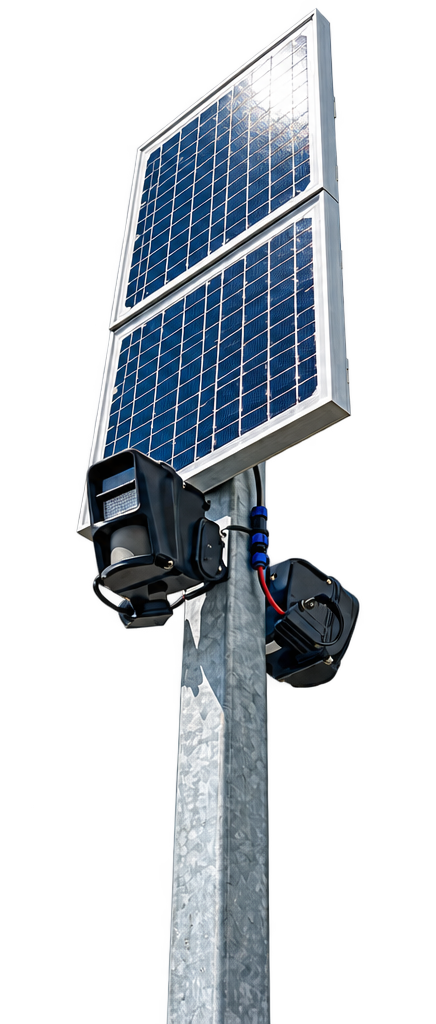
Several detectors radio to one bridge. Outbound traffic uses mobile. We check the network on site. The picture reaches the control centre before a measure starts.
No power cable and no fixed internet line to the detector. We check mobile coverage in the planning.
AI checks the picture and separates people and vehicles from typical disturbances before the control centre is alerted.
When the construction section moves, we move the detector. A new cable route is not required.
Whether a single access, a remote construction plot or a longer project site: we plan the detector, the bridge and the response for the location.
The detailed product page sits under security technology. Sentinel and a camera tower add large sites or sections that keep moving.
Detector, bridge, radio and control centre in detail. That is the product page for this service.
Learn more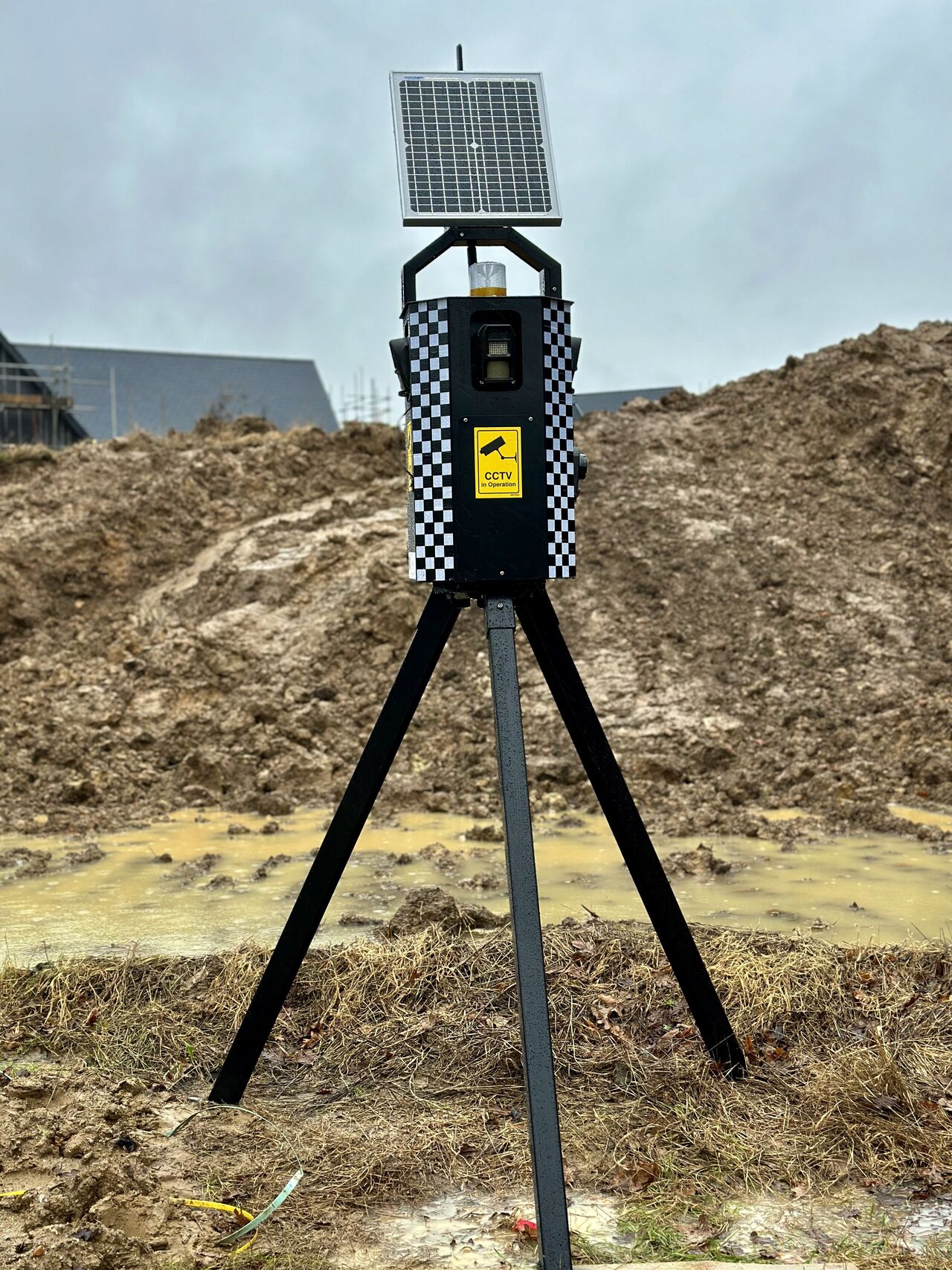
Several detectors on the mobile platform when the site is large or the section changes often.
Learn more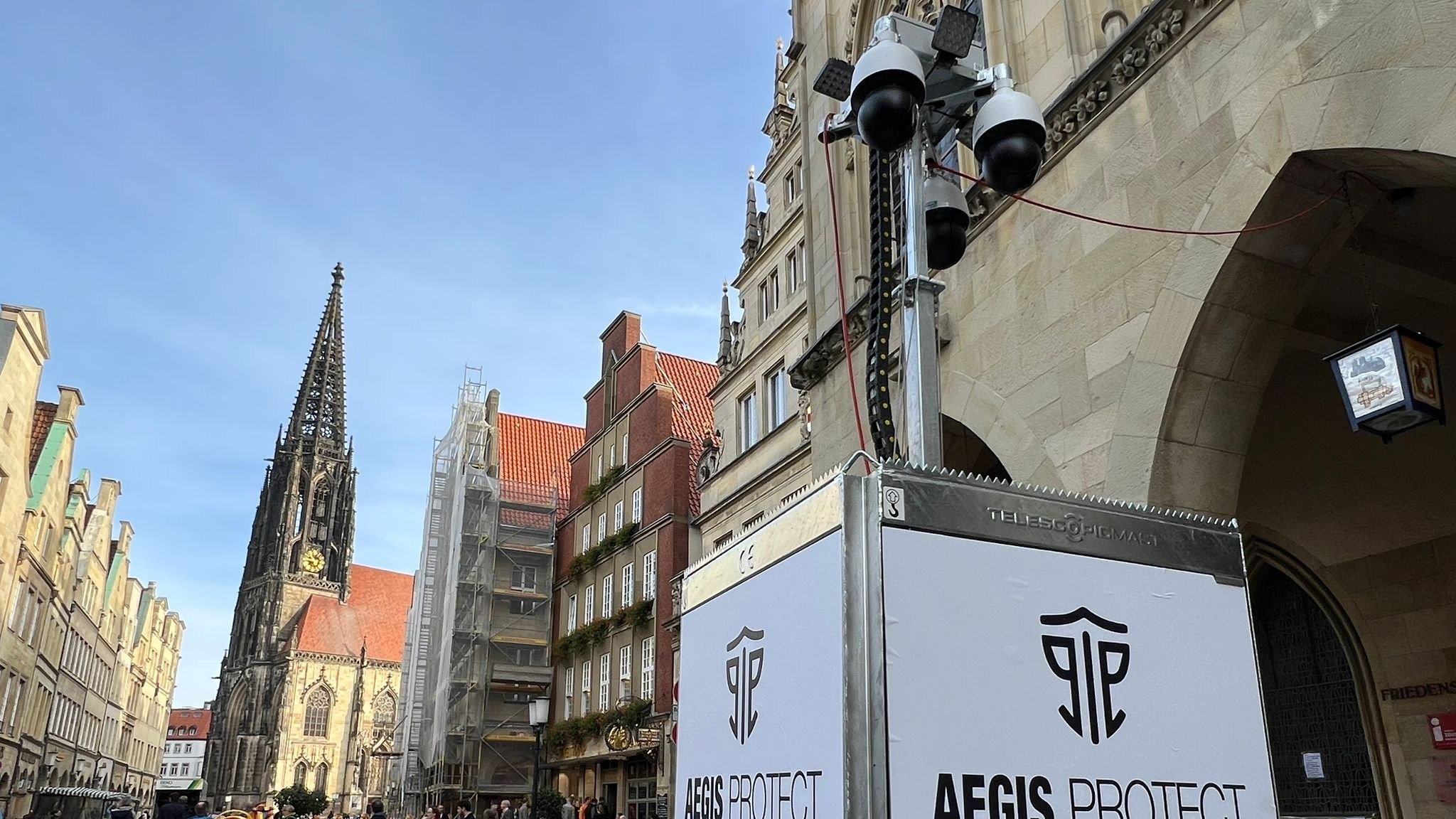
Height and overview when a tower does more than a detector on the ground.
Learn more
Receive reports, check them and pass them on according to the agreed plan.
Learn more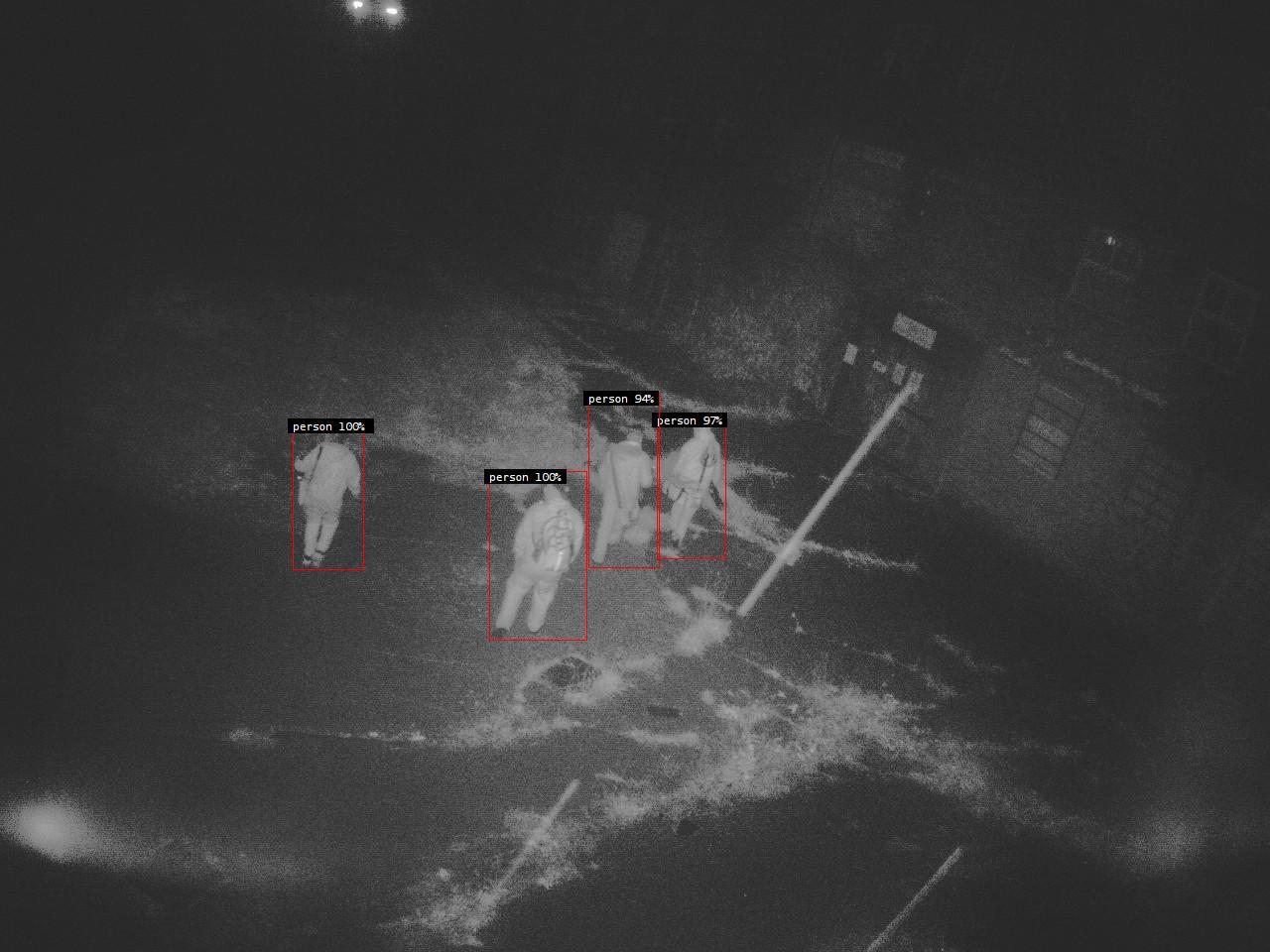
Check the picture in the control centre before a drive-out or an emergency call starts.
Learn more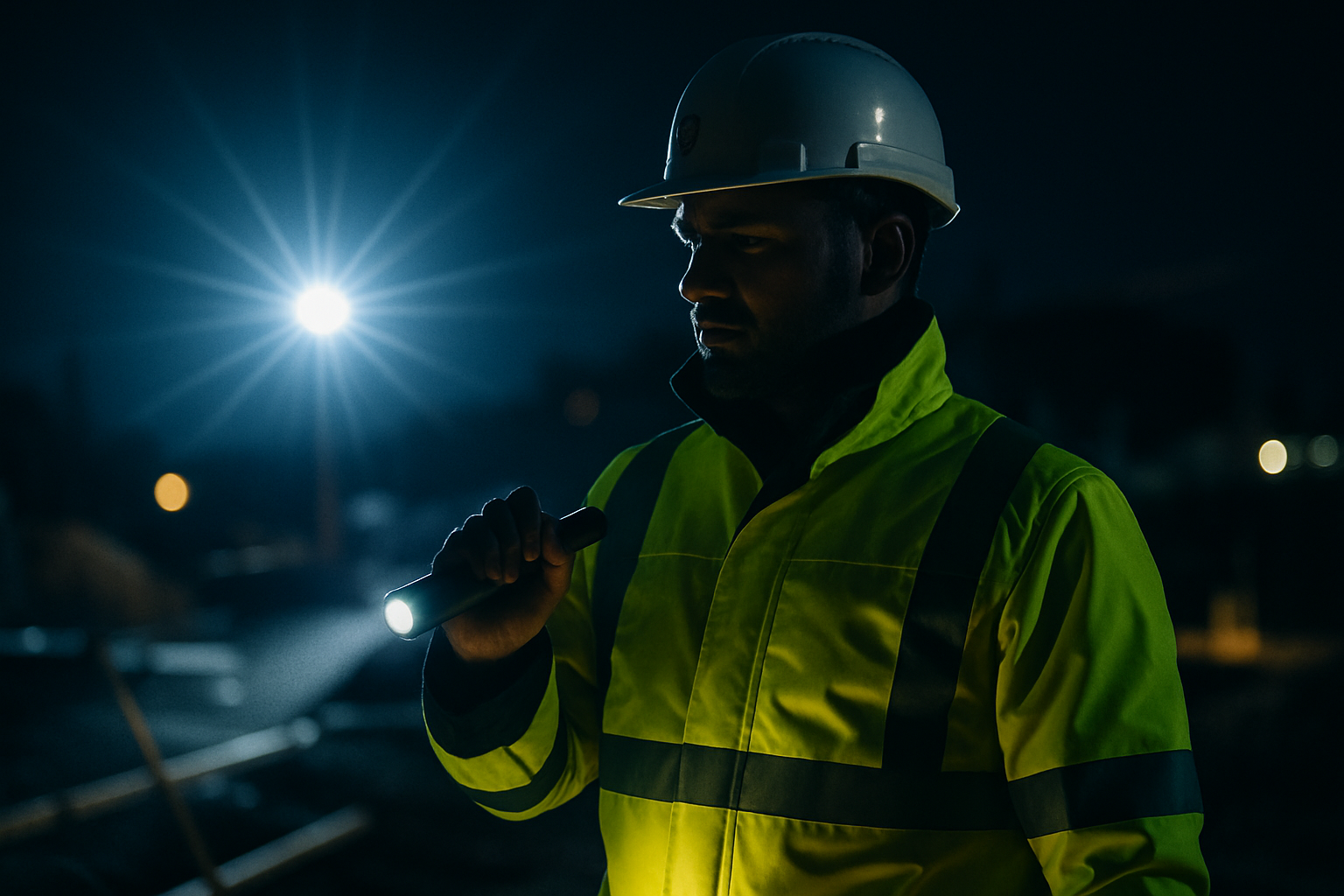
A look on site when the plan calls for a drive-out after the check.
Learn moreIndustry, logistics, critical plants, construction sites, solar and remote sites. Wherever a detector without a cable route is enough.
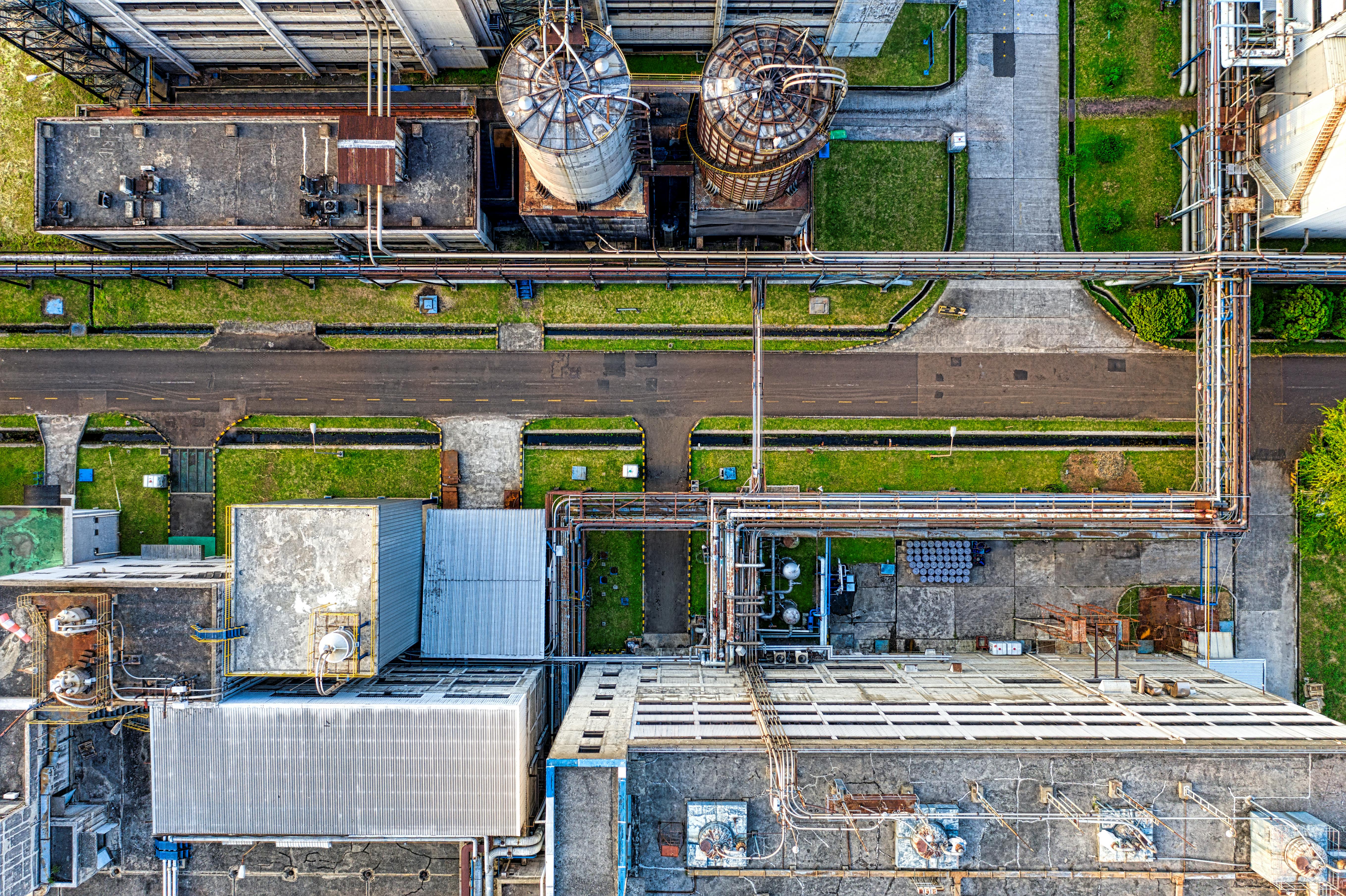
Detectors without a power supply at the access, the store and the construction gap. The control centre checks the picture.
Secure industrial sites

Detectors without a supply at the gate, the yard and the store. People and vehicles go to the control centre as a picture.
Secure logistics sites
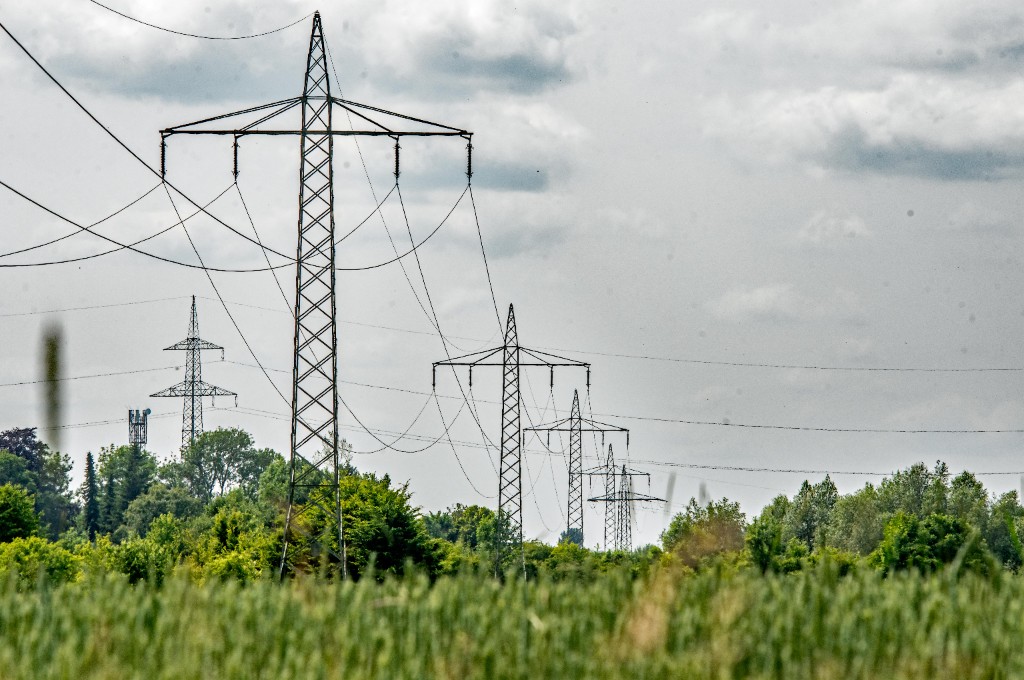
Detectors without a power supply pick up people and vehicles. The picture goes to the control centre. The outer boundary stays with perimeter detection.
Security solutions for critical infrastructure
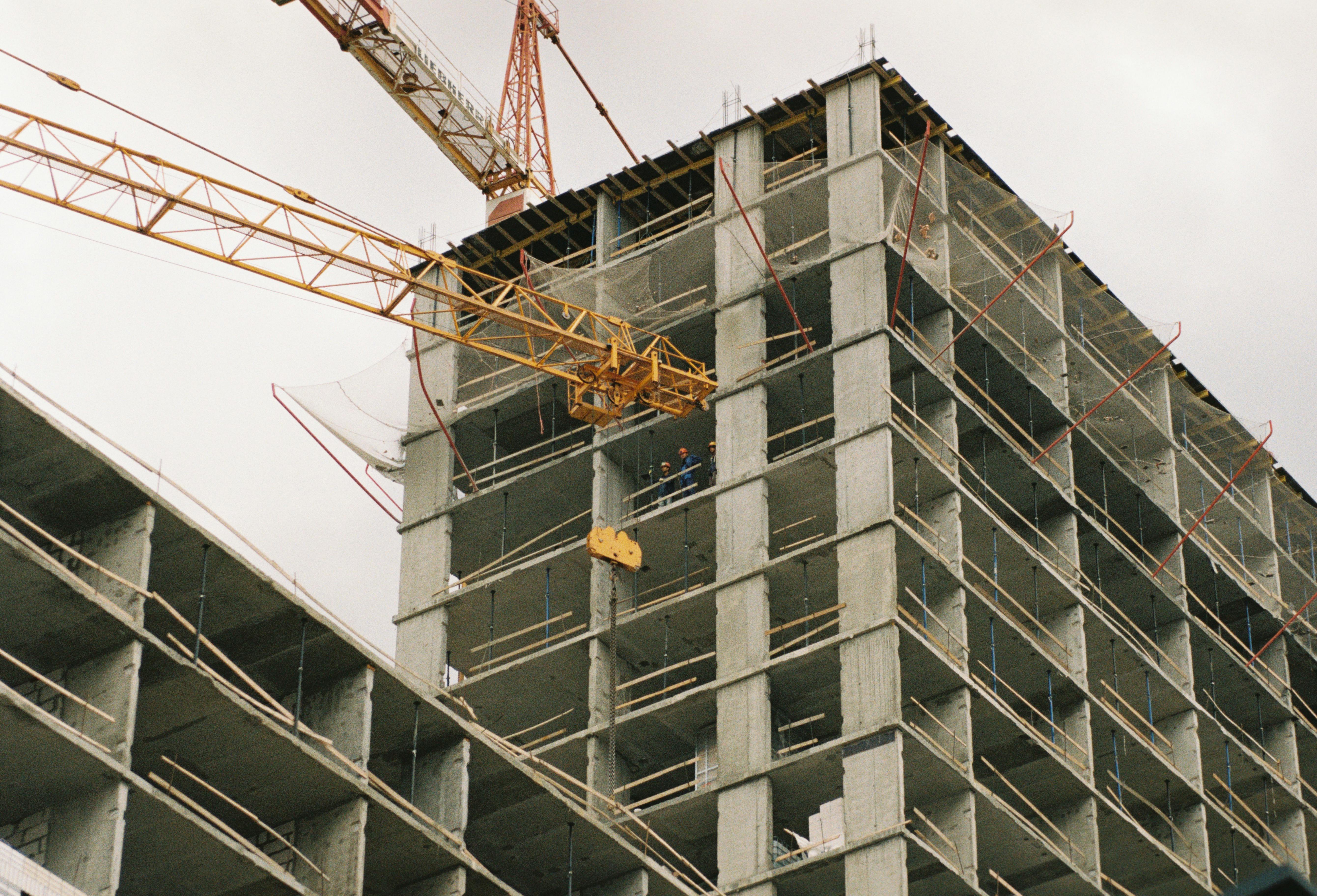
Detectors without a power supply on the construction section. People and vehicles go to the control centre as a picture.
Secure construction sites
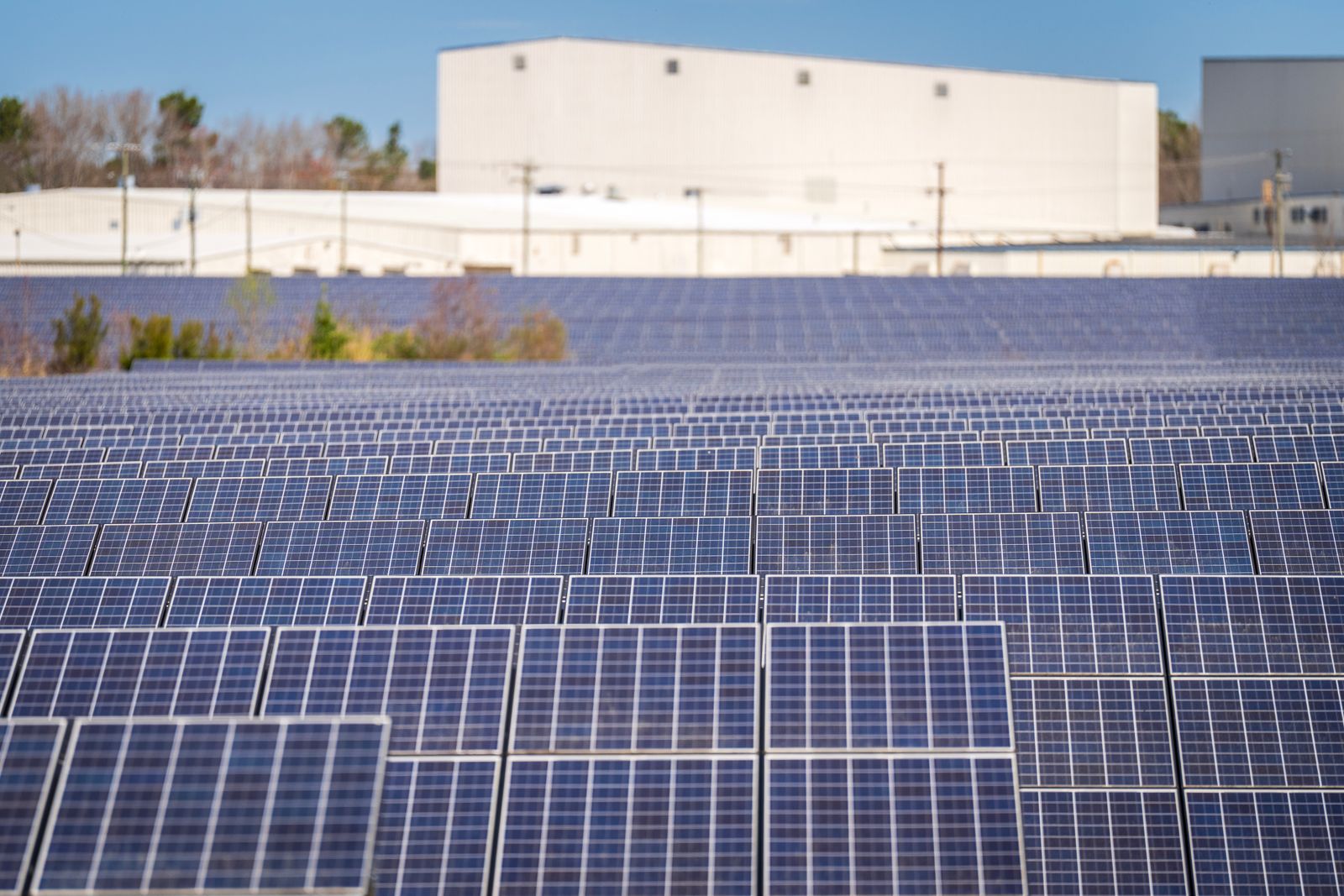
Detectors without a power supply at the fence and across the field. People and vehicles go to the control centre as a picture.
Monitor and secure a solar farm
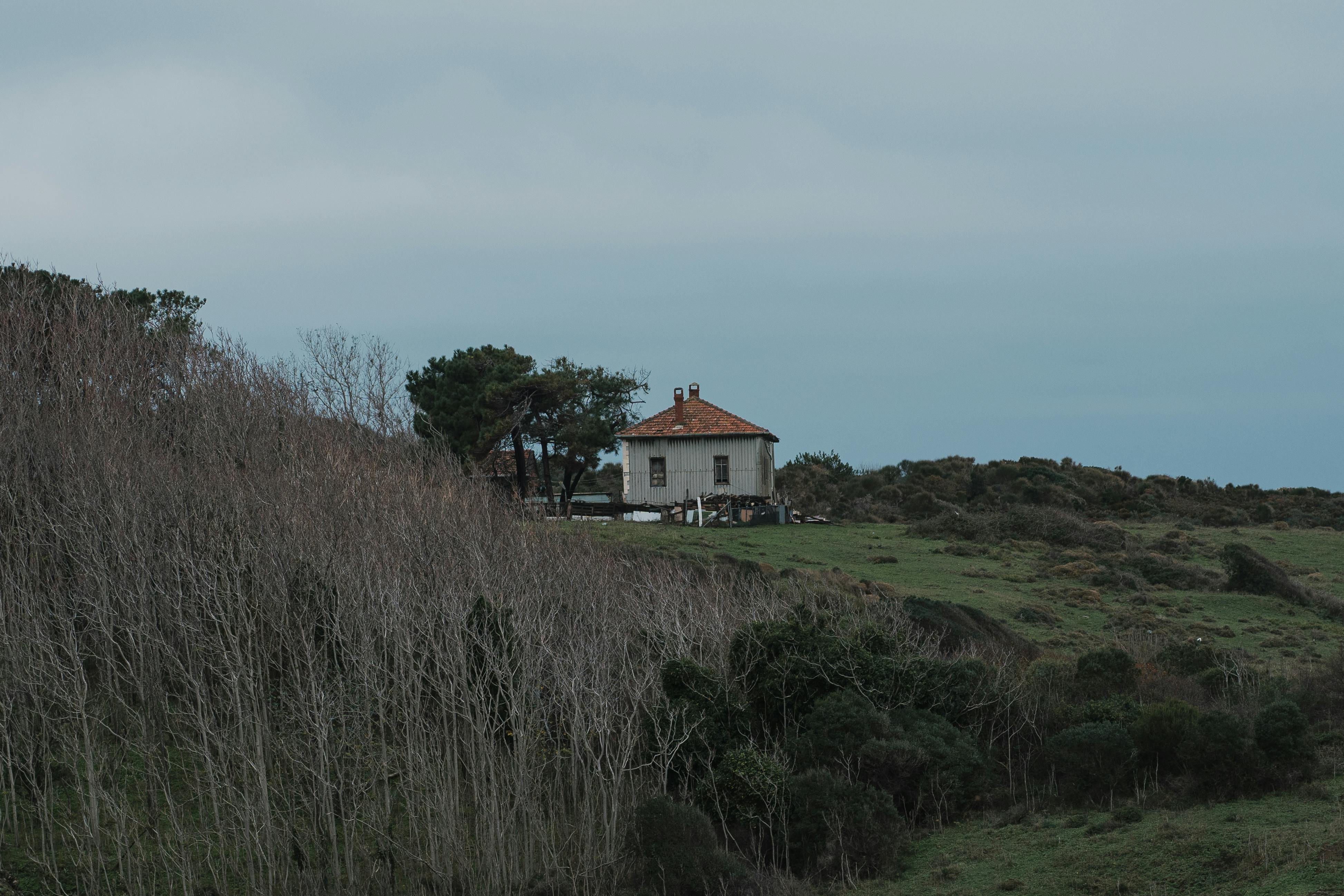
Detectors without power and without a fixed line. People and vehicles go to the control centre as a picture.
Secure remote sites
Self-contained detection makes people and vehicles visible at points where no fixed system is installed. It does not replace the operator risk assessment.
Whether a point is watched, and on what legal basis, is decided by the operator.
The service does not fulfil a statutory critical-infrastructure duty and is not evidence towards an authority.
Mobile coverage, the connection and the response are in the concept for this site. A picture is not an automatic intervention.
Yes. The detectors are built to run without an existing power supply. A fixed internet line is not required. The outbound link uses mobile, and we check the network on site.
People and vehicles in the watched area. AI checks the picture before the alarm reaches the control centre and separates them from typical disturbances such as wildlife or small animals.
Compared with a pure motion trigger, the picture check means about 95 percent fewer false alarms. Range and battery life depend on the site and are not stated as a flat figure.
No. Perimeter detection is the sensing cable on a fence, in the ground or along a line. Self-contained detection is individual detectors without a supply, with the picture in the control centre.
No. Many points are covered by individual detectors. For larger sites or sections that change often, the Sentinel platform is added, and a tower when height decides.
The control centre checks the picture. A verbal challenge, a contact, intervention or the police follow the agreed plan.
A detector without a check and without a fixed measure remains a report.
01
A person or a vehicle is detected in the watched area.
02
AI checks the picture. The control centre assesses the event before anyone drives out.
03
A verbal challenge, a contact, a patrol or the police – as the plan says.
04
Time, place and the chosen measure are recorded.
Describe the site and whether power or mobile coverage is already there. We will come back with a proposal.
We will call you back shortly on the number provided.